Charlotte City Council Changes Course on I-77 Toll Lane Project
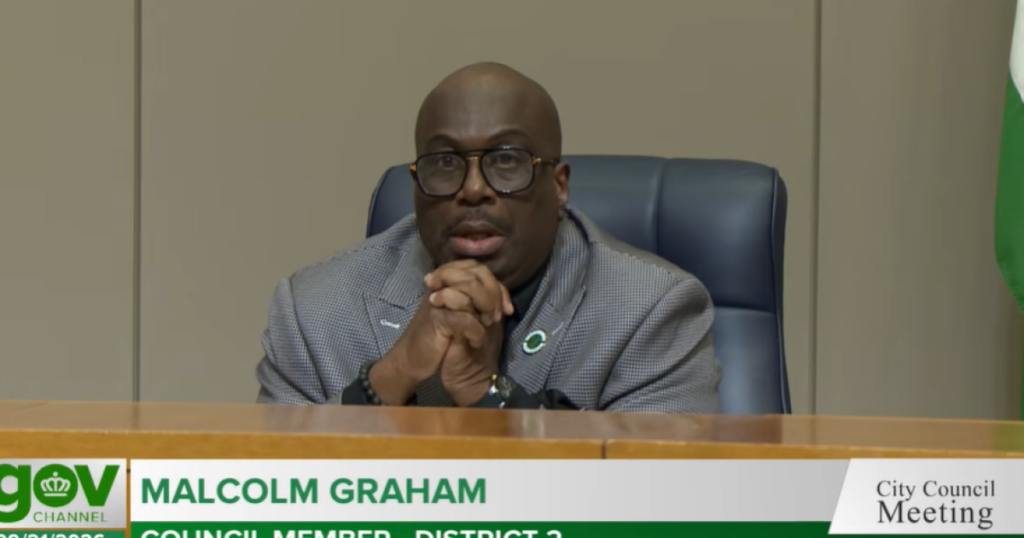
In a surprising turn of events, Charlotte City Council members, Malcolm Graham and Joi Mayo, have switched their stance, favoring the contentious plan to add toll lanes to Interstate 77. This reversal led to the City Council endorsing the project with a 7-4 vote, virtually guaranteeing the commencement of the 11-mile development.
Originally opposing the $4 billion initiative in May due to concerns about its impact on historically Black neighborhoods in Charlotte’s west side, both Graham and Mayo have now backed the plan. The initial rejection by the council had influenced the Charlotte Regional Transportation Planning Organization (CRTPO) to withdraw support shortly after.
A revived bipartisan push in Raleigh, along with promises of up to $300 million in community benefits from the Department of Transportation (DOT) under Governor Josh Stein’s administration, played a crucial role in changing the outlook. These benefits potentially include $20 million earmarked for nonprofits to establish grocery stores in specific areas of the city.
The DOT’s memorandum of agreement outlines additional incentives, including $150 million for a concrete cap over part of the highway near uptown and $50 million for a new recreation center in Steele Creek. As council member Malcolm Graham remarked, “No one will be left behind,” emphasizing the compensations for those affected by the construction.
However, the project faced criticism from some council members who remained unconvinced. Lawana Mayfield, Renee Johnson, J.D. Mazuera Arias, and Victoria Watlington voted against the proposal, with Mazuera Arias voicing concerns over the lack of economic opportunity, comparing it to past projects that failed to deliver promised benefits.
The debate intensified as about 50 residents voiced their opposition during the council meeting, with many heckling the council members who supported the initiative. Despite the backlash, the city of Charlotte, holding 31 of the 74 weighted votes in the CRTPO, seems poised to influence the outcome significantly when the organization votes on Wednesday.
Meanwhile, the state’s budget includes a provision that would require local governments opposing the project to reimburse $69.5 million in design costs if the project isn’t implemented. This clause adds financial pressure to comply, leading some jurisdictions like Monroe, Cornelius, and Huntersville to reconsider their positions.
Concerns extend beyond local governance, with potential legal challenges looming. While Charlotte’s city attorney, Andrea Leslie-Fite, questions the legality of the reimbursement clause, no official litigation has been initiated. The prospect of a third-party lawsuit, possibly from groups like the Southern Environmental Law Center, remains a possibility.
Once completed, the development promises two new toll lanes in each direction from the South Carolina line to uptown Charlotte, with the aim of alleviating congestion on the existing free lanes. However, skepticism persists, particularly regarding the toll costs, which could mirror those on the I-77 North, potentially reaching $20 to $25 for a one-way trip during rush hour.