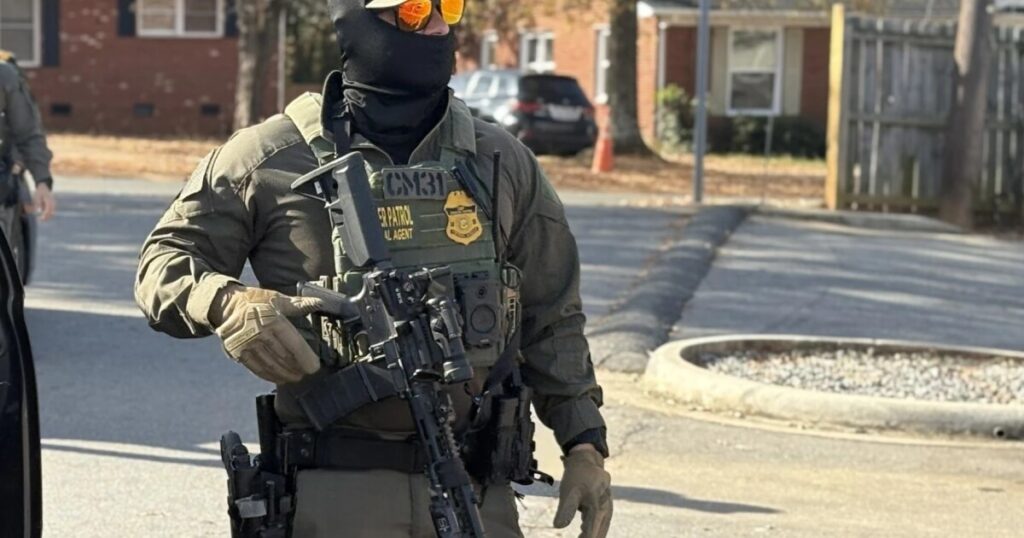
In a sweeping enforcement effort known as Operation Charlotte’s Web, U.S. Customs and Border Protection (CBP) reportedly apprehended over 370 individuals. This operation extended beyond Charlotte, reaching areas such as Raleigh, and sightings were reported in Boone and Lenoir.
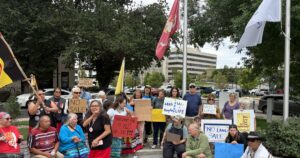
Concerns are mounting in Asheville, with Mayor Esther Manheimer indicating that the city might be under scrutiny by CBP. This has sparked anxiety and uncertainty about legal rights among residents in Western North Carolina.
To clarify rights and actions to take when confronted by immigration agents, BPR’s Jose Sandoval consulted three legal experts: Jackie Kiger, Executive Director of Pisgah Legal Services; Leonel Gonzalez, an immigration attorney at Pisgah Legal Services; and Ana Nuñez, an immigration attorney with Fay Grafton Nunez. Their insights have been summarized below.
Rights When Approached by CBP or ICE
Kiger: Individuals have the right to remain silent and should assert this by stating, “I’m gonna exercise my right to remain silent.”
Nuñez: If approached, first verify the authenticity of the agent. Citizens or lawful residents might have different options, such as showing proof of their legal status. Undocumented individuals can choose to remain silent and are not obliged to disclose their origin.
Witnessing an Arrest
Nuñez: In North Carolina, you have the right to film. Ensure you do so without interfering with law enforcement activities. Do not obstruct officers in their duties.
Gonzalez: Recording might escalate tensions, so prioritize safety. If asked to stop, you can assert your right to record in public but comply if asked to move back, documenting your compliance.
Following and Alerting About ICE or CBP
Nuñez: Avoid actions that could be seen as impeding law enforcement, such as helping someone evade arrest. Officers might perceive proximity as a threat.
When ICE or CBP Comes to Your Home
Kiger: Do not allow entry without verifying identification and purpose. If you consent, your rights might be limited.
Nuñez: Typically, warrants presented are administrative, not judicial, which do not authorize home entry.
Business Owners’ Rights
Kiger: Delineate public and private areas in your business. Have a plan for handling agent entry requests and ensure clear signage and understanding of rights.
Additional Advice
Gonzalez: Prepare for unexpected situations by organizing important documents and considering power of attorney arrangements.
Nuñez: Ensure legal advice comes from verified attorneys to avoid scams. Verify credentials and avoid online scams.
As of November 21, there have been no new confirmed instances of ICE or CBP activity in Western North Carolina.