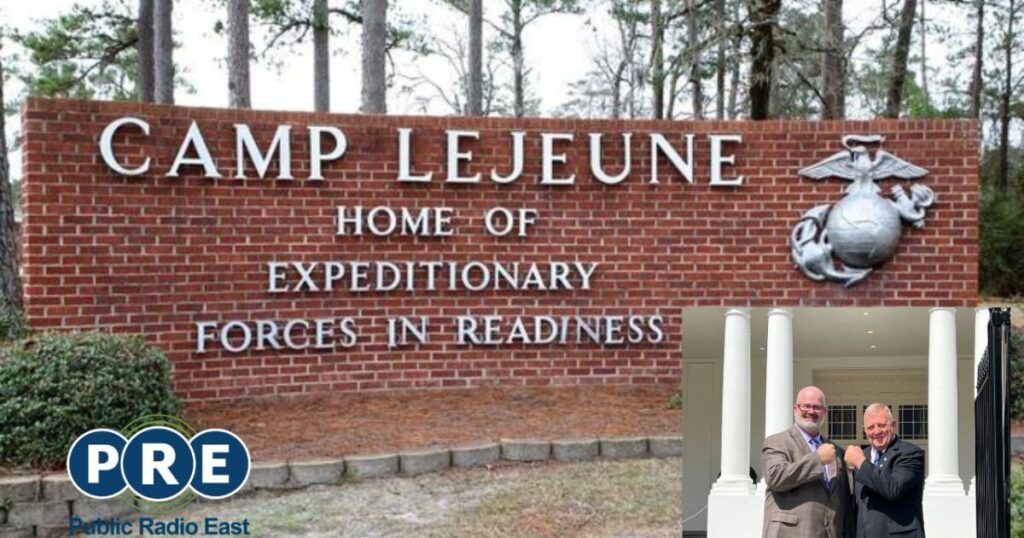
The controversy surrounding the compensation for victims of water contamination at Camp Lejeune continues to unfold as advocates highlight ongoing challenges faced by affected individuals. Despite recent announcements of settlements, questions remain about the pace and adequacy of the resolutions.
Key Advocates Challenge Settlement Process
Jerry Ensminger, a retired Marine Corps Master Sergeant, and Mike Partain, a former history teacher, have been at the forefront of advocating for victims of Camp Lejeune’s toxic water. Ensminger’s involvement began after his daughter Janey, who was conceived and born at the base, died of leukemia at age nine. Partain, who was diagnosed with male breast cancer at 39, joined the cause in 2007 to document the extent of the contamination.
Both men have expressed dissatisfaction with the settlement process, despite the Department of Justice Civil Division approving hundreds of settlements. Ensminger criticized the pace, stating, “Being an associate attorney general and making the statement that he was so sorry that so many of these veterans had to wait so long… it’s just an out-and-out lie.”
Settlement Figures and Controversies
The Department of Justice announced 649 Elective Option settlements totaling $175 million under the Camp Lejeune Justice Act. However, only a small percentage of the 408,000 claims filed with the Department of the Navy have been addressed. Partain noted, “Since the Navy began the elective option in 2023, so roughly 3 years, the Navy has made a total of 2,353 offers in three years.”
Challenges in the Legal Process
Federal Judge James C. Dever III remarked that resolving all potential claims individually could take nearly two millennia. Partain criticized the settlement values, claiming they do not match the true worth of the claims. He stated, “The elective option, it’s pennies on the dollar as far as what the claims are worth.”
Legislative and Legal Efforts
Efforts to amend the Camp Lejeune Justice Act continue, with North Carolina lawmakers pushing for changes to expedite help for victims. The Ensuring Justice for Camp Lejeune Victims Act aims to broaden the scope of federal courts hearing these cases and limit attorney fees.
Government Accountability and Future Steps
Ensminger and Partain argue that the military’s failure to adhere to its own regulations contributed to the prolonged exposure to contaminated water. They continue to advocate for transparency and accountability, maintaining that swift action is necessary to provide justice for the victims.
For further insights, the Marine Corps veteran battling cancer has expressed frustration over the slow legal process. Additionally, Jon Stewart, a vocal advocate for veterans, has criticized the government’s slow response.