Wildlife Crossings: A Solution to Autumn’s Animal-Vehicle Collisions
As November rolls in and daylight saving time ends, roads become more dangerous for both humans and animals. The shift in daylight hours means more drivers are on the road during dusk, which coincides with the peak activity time for wildlife. “And that coincides with the exact time that wildlife are most active, especially in the fall, when that also coincides with mating season and wildlife migrations,” explained Patrick Lane, a senior manager at the Pew Charitable Trusts.
State Farm’s insurance data reveals the heightened risk of animal collisions in certain Western states. Montana drivers, for instance, face a 1 in 53 chance of hitting an animal, while Wyoming, Idaho, and Colorado also report significant odds. Deer and elk are often involved in these incidents, which spike by 16% in the week following the end of daylight saving time.
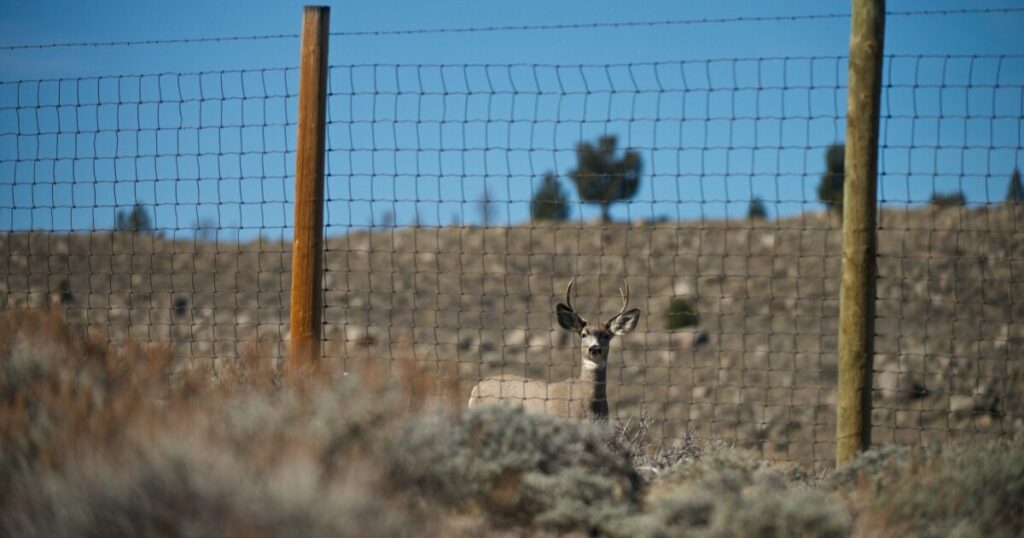
These collisions have substantial economic repercussions for Western states, costing millions annually in vehicle repairs, medical costs, and lost wildlife. However, there is an effective remedy on the horizon: wildlife crossings. These structures, which allow animals to traverse highways safely, are proving successful. For example, Colorado’s implementation of crossings along State Highway 9 resulted in a 90% reduction in wildlife-vehicle collisions over five years, a success echoed by similar efforts in Utah.
Encouraged by these results, other states are investing in wildlife crossing projects. New Mexico has earmarked $50 million for such initiatives, while Montana is funding them through tax revenue from marijuana sales. According to Lane, combining these infrastructure projects with cautious driving can significantly enhance safety. He advises drivers, “When you see one animal, there’s likely more. If you do encounter one on the road, try not to swerve violently — make small corrections.”
This article was produced by the Mountain West News Bureau, a collaboration involving KUNR, Wyoming Public Media, Nevada Public Radio, Boise State Public Radio in Idaho, KUNC in Northern Colorado, KANW in New Mexico, Colorado Public Radio, KJZZ in Arizona, and NPR. The project receives funding from the Corporation for Public Broadcasting and Eric and Wendy Schmidt.