Leadership Gaps at National Weather Service Amidst Severe Weather Challenges
The National Weather Service is currently grappling with a significant leadership vacuum, with over a third of its offices lacking key leadership roles such as chief meteorologists and hydrologists. This staffing shortfall is particularly concerning in areas prone to flash floods, where timely and accurate weather forecasting is imperative.
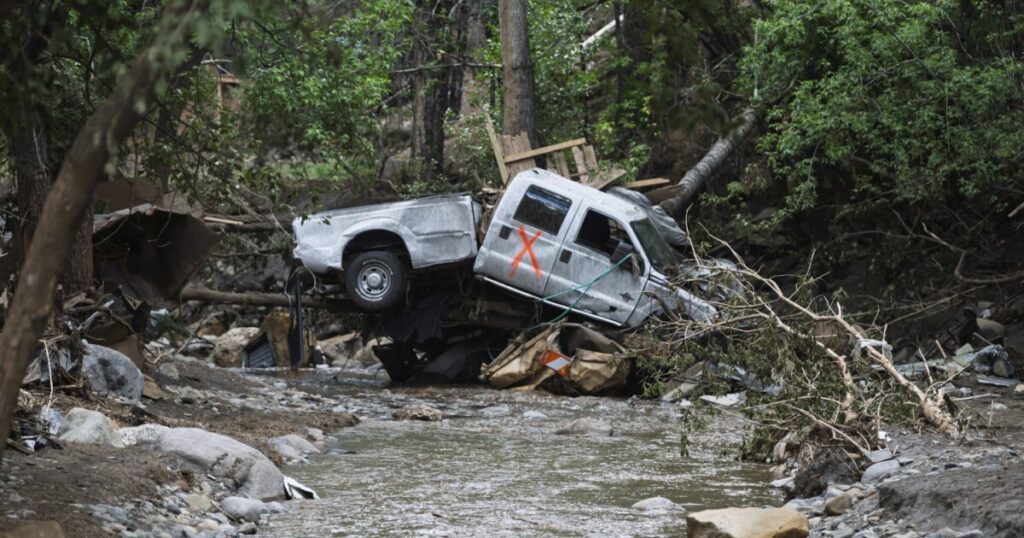
In southern Texas, an area frequently hit by intense rainfall, the absence of a chief meteorologist has raised alarms. This concern is underscored by the recent flash flood on the Fourth of July that tragically claimed more than a hundred lives. Similarly, in southern New Mexico, flooding on July 8 resulted in three fatalities, highlighting the critical need for skilled meteorological oversight in these regions. More details on the Texas flood can be found here, and on the New Mexico flood here.
The Mountain West region is also affected, with offices in eastern Nevada, northern Idaho, southern Wyoming, southern Colorado, eastern Utah, and western Montana experiencing similar staffing issues, according to an analysis by the New York Times. For a more comprehensive look at these staffing shortages, visit the full analysis.
This situation follows substantial staffing reductions at the weather service, which lost nearly 600 positions this year due to budget cuts initiated by the Trump administration. Currently, there are 74 vacant leadership roles, more than doubling the number from the previous year. For additional context on these cuts, see the NPR report here.
Alan Gerard, a former meteorologist with the National Weather Service and the National Oceanic and Atmospheric Administration’s Severe Storms Lab, emphasized the importance of filling these vacancies swiftly. “As a national priority, we should be looking at prioritizing getting some of these positions filled as soon as possible,” Gerard stated. He noted that while severe storm forecasts and warnings remain a priority, other essential activities like preparedness and collaboration with emergency management may suffer.
The National Weather Service is actively working to address these gaps by recruiting approximately 125 new employees across the country. However, given the current deficit of 600 positions, many offices are expected to continue experiencing significant operational stress. More about the hiring process can be found here.
This report is a product of the Mountain West News Bureau, a collaboration among various public media organizations, with support from affiliate stations. Funding is partially provided by the Corporation for Public Broadcasting.