This story was originally published by CalMatters. Sign up for their newsletters.
In the early hours of a July morning, Emily Meyers experienced a dramatic drive from Greenville, California, to Reno, Nevada, when her son arrived five weeks early. Despite a two-hour journey along narrow highways, the Meyers family couldn’t reach the hospital in time, with baby Grant born just minutes away from their intended destination.
The couple passed by two closer hospitals—Plumas District Hospital and Eastern Plumas Health Care—both lacking maternity wards, underscoring a significant challenge in rural California. With dozens of hospitals ceasing maternity services, families often face long journeys during labor.
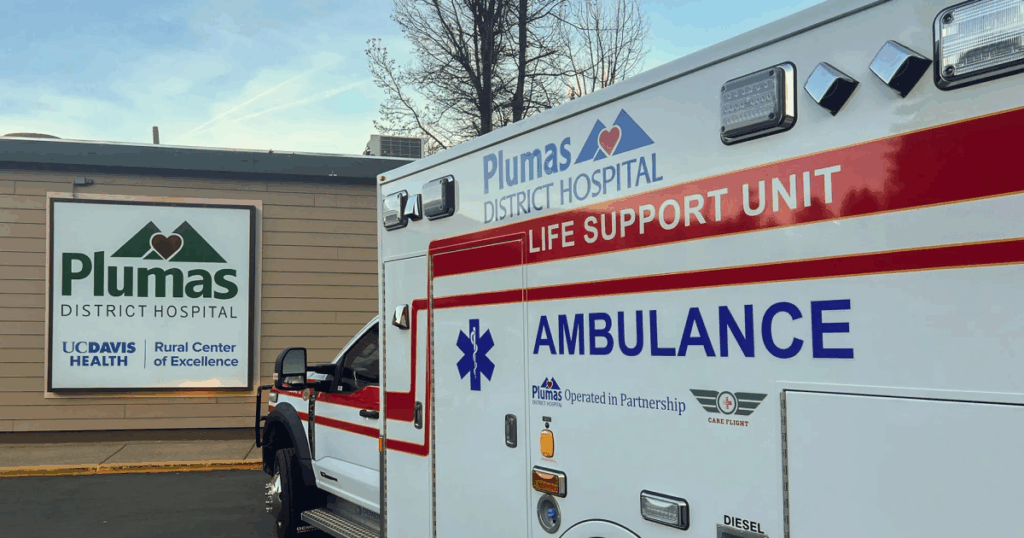
Plumas District Hospital, which Meyers passed, had closed its maternity ward in 2022. However, new legislation aims to address these gaps. Two state laws now allow rural hospitals to rethink maternity services, including “standby” maternity units that activate only when needed, ensuring vital services like surgical deliveries and resuscitation are available.
Transformative Legislation for Rural Maternity Care
Senate President Pro Tem Mike McGuire authored one of these laws, initiating a 10-year pilot program to support hospitals like Plumas District. The program intends to provide emergency maternity services, a preferable alternative to the absence of local care.
A complementary law eases licensing for birth centers, typically midwife-run, serving those with low-risk pregnancies. Dr. Robert Moore from Partnership HealthPlan advocates for the necessity of these services, stressing that long travel times to hospitals are unacceptable.
The Future of Maternity Services in Plumas County
Plumas District Hospital plans to open a new birth center and standby maternity unit, offering local delivery options for women seeking natural births. The hospital will also have an on-call obstetrics team for emergencies.
Hospital executive Darren Beatty emphasizes the importance of maternity care in sustaining rural communities. “We need to do our part so that Quincy can be an outlier and not continue to shrink and go away like many rural communities have,” he said.
Across the state, nearly 60 hospitals have discontinued labor and delivery services since 2012. The closest available options for Plumas residents are 70 miles away, prompting many, including the Meyers family, to seek care in Nevada.
Addressing Rural Health Care Challenges
Plumas District Hospital’s decision to open a birth center aligns with rising home birth trends. In 2022, more home births were attended by a community midwife than hospital deliveries, a realization that spurred the hospital to respond to community preferences.
Emily Meyers expressed relief at the prospect of a local birth center. “A birthing center that’s 30 minutes from my house — that would be a huge relief,” she said.
In 2022, Plumas District Hospital delivered just 64 babies, a volume insufficient to sustain a maternity ward. The hospital faced staffing challenges as well, with vacancies going unfilled despite incentives.
Though the maternity ward closed, related medical services continue, maintaining prenatal and postnatal care in the community.
Midwife Lori Link is optimistic about the birth center’s future, noting the importance of community demand. “I think this is a testimony to the power of listening to women,” she said.
Supported by the California Health Care Foundation (CHCF), which works to ensure that people have access to the care they need, when they need it, at a price they can afford. Visit www.chcf.org to learn more.
This article was originally published on CalMatters and was republished under the Creative Commons Attribution-NonCommercial-NoDerivatives license.