Hummingbirds: Vital Pollinators Facing Habitat Challenges
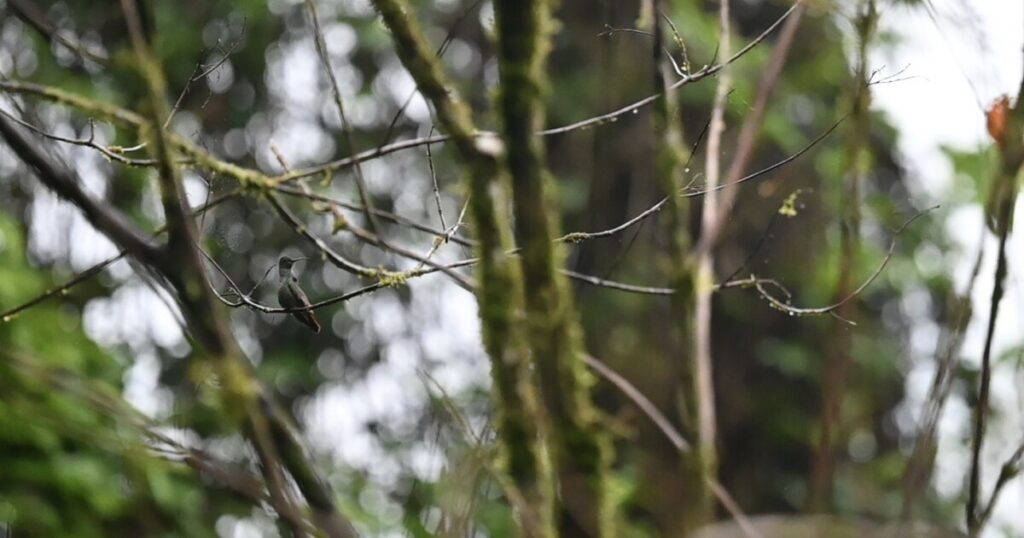
Amidst the lush backdrop of Costa Rica’s Braulio Carillo National Park, the air is filled with the vibrant activity of birds, especially the hummingbirds at La Selva biological station. These diminutive creatures, easily recognizable by their vivid colors and elongated bills, play a crucial role in the ecosystem.
Hummingbirds are indispensable for the pollination of numerous plants such as heliconias, firebushes, and bromeliads. The unique design of these flowers, featuring long tubular shapes, aligns perfectly with the hummingbirds’ bills. As they extract nectar, pollen clings to them, facilitating cross-pollination as they move between blooms.
This symbiotic relationship is vital for maintaining Costa Rica’s rich biodiversity. The plants provide essential resources and habitats for various insects and specialized pollinators like hummingbirds.
Tropical biologist Emanuel Brenes highlights the exclusive relationship between these plants and hummingbirds, noting, “Estas flores evolucionaron para atraer colibríes. Entonces hay una relación de especialización entre esas flores específicamente y los colibríes porque no están siendo visitadas por insectos.”
Brenes warns that the loss of specialist plants in Costa Rica’s lowland areas could severely affect hummingbird populations. His research focuses on these vulnerable regions, which are increasingly threatened by habitat loss.
The Impact of Habitat Loss on Hummingbirds
Naturalist Jeremi Telecaluna, at La Selva visitor center, emphasizes the consequences of reduced hummingbird populations. “Probably we would also [see] declines in trees or forests, because one of the main pollinators are hummingbirds,” he notes.

In Nevada, similar issues arise as urban development encroaches on traditional hummingbird habitats. Ornithologist Alan Gubanich explains, “Well, habitat removal and destruction, I think, has been the major cause of the loss of so many billions of birds.”

Conserving Hummingbird Populations
Feeding stations are one effective way to support hummingbirds, according to Telecaluna. “I’d prefer to get them on the feeder,” he states, noting the benefits of providing alternative food sources when habitats are threatened.
Gubanich concurs, advocating for native plant gardens and feeders to sustain hummingbird numbers. Efforts such as Brenes’ research and initiatives like the Northwest Nevada Bird Alliance play a crucial role in raising awareness and fostering conservation.
Local actions, such as planting native species and setting up feeders, are simple yet impactful ways to assist in the preservation of these remarkable birds.
This story is in partnership with the Hitchcock Project for Visualizing Science and the Reynolds School of Journalism.