In a significant legislative session, lawmakers tackled the complex issue of automatic fee escalations and tax exemptions, underscoring the balance between fiscal responsibility and legislative oversight. The debate highlighted differing perspectives on the future of state revenue and taxation policies.
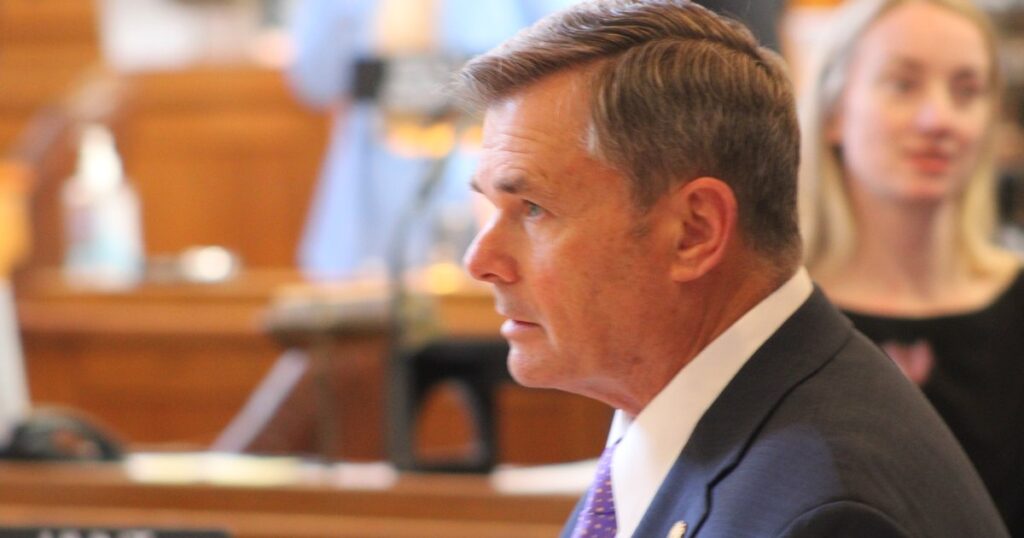
During the session, Sen. Conrad emphasized the importance of legislative oversight in fiscal matters, cautioning against deferring decision-making to unelected officials. “We shouldn’t be abdicating our legislative responsibility because we find it uncomfortable to deal with fees and taxes on an individual and discrete basis,” she stated. Highlighting the need for legislative review, she added, “We should not be abdicating our legislative oversight or authority to unelected bureaucrats on autopilot to continually raise more revenue from our citizenry without specific legislative review.”
However, Von Gillern acknowledged the potential benefits of automatic fee adjustments, stating, “It seems to make sense to build those escalators in there, so that future legislators don’t have to revisit this issue all the time as far as adjusting fees. But I do understand what Sen. Conrad is saying, is that it creates an obligation that may not be wise for us to do at this time.”
Ultimately, the legislators opted to eliminate the automatic fee increases, with a unanimous vote of 43-0. This decision was part of a broader legislative package aimed at reshaping the state’s fiscal landscape.
Another key component of the bill is the plan to generate an additional $15 million in the next fiscal year by removing tax exemptions on various items, including game birds and waste treatment facility development. This move reflects the legislature’s strategy to widen the tax base and increase revenue.
In a related proposal, Sen. Jana Hughes introduced an amendment aimed at further boosting state revenues. Her proposal sought to delay an impending income tax cut, originally approved three years ago and set to take effect next January. The current top personal and corporate income tax rate, slightly over 4.5%, is scheduled to drop to just under 4% in January. Hughes suggested a more gradual reduction, proposing a rate of 4.35% for the next two years, with a further decrease postponed until 2029. Hughes estimated this could generate an additional $270 million over three years.
Additionally, Hughes’ amendment proposed increasing taxes on cigarettes and vape products and freezing property tax credits at their current rates for three years, aiming to enhance state revenue further while maintaining fiscal stability.