Amid changing federal guidelines, states are adjusting their Medicaid work requirements, with a new deadline extension providing additional time for compliance. However, Nebraska has taken a different path, having already implemented its changes earlier this year.
The Centers for Medicare & Medicaid Services (CMS) announced a six-month extension last Friday, allowing states more time to ensure Medicaid recipients receive appropriate benefits based on their eligibility. This extension is crucial for states to evaluate whether individuals meet the specific work or participation requirements necessary to maintain their coverage. Originally, states were expected to implement these changes by January 1.
Nebraska’s Early Adoption
Nebraska distinguished itself by adopting the Medicaid changes early, starting on May 1, becoming the first state to do so. Jeffrey Powell, the communications director for the Nebraska Department of Health and Human Services, stated that Nebraska’s transition has been a success and serves as a model for other states. Powell mentioned, “Our implementation has been successful and serves as a model for other states. Given Nebraska’s strong implementation and the progress we have made, there is no need for the state to participate in the hold harmless period. We are confident in our approach and remain committed to ensuring the federal requirements are implemented effectively.”
Concerns and Criticisms
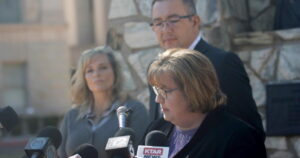
Despite the state’s confidence, not all Nebraskans share this sentiment. According to Nebraska Appleseed, an advocacy organization, outdated data indicates that over 1,000 residents have been denied care or lost coverage since the changes took effect. Sarah Maresh, the Healthcare Access Program Director at Nebraska Appleseed, expressed concerns over the confusing nature of the changes. “It’s going to cause people to be sicker and more disabled,” she remarked at a recent Omaha town hall meeting discussing the changes.
The Medicaid work requirements, enacted under the One Big Beautiful Bill, primarily affect the Medicaid expansion group. Able-bodied enrollees aged 19 to 64, who are not pregnant, do not have disabilities, meet citizenship or immigration criteria, and earn below 138% of the federal poverty level, now need to log at least 80 hours monthly in work, volunteer activities, or education. In Nebraska, this income threshold translates to approximately $22,025 annually for an individual and $45,540 for a family of four.
Critics point out that vulnerable groups, such as cancer patients and pregnant individuals, are adversely affected by these swiftly adopted requirements. At the town hall, participants shared stories of Medicaid recipients facing communication challenges with the Nebraska Department of Health and Human Services, often spending extensive time on the phone without receiving the assistance needed. Maresh attributes these issues to insufficient staffing to manage the new requirements effectively.