Health Insurance Premiums and Agricultural Market Challenges Discussed at Local Event
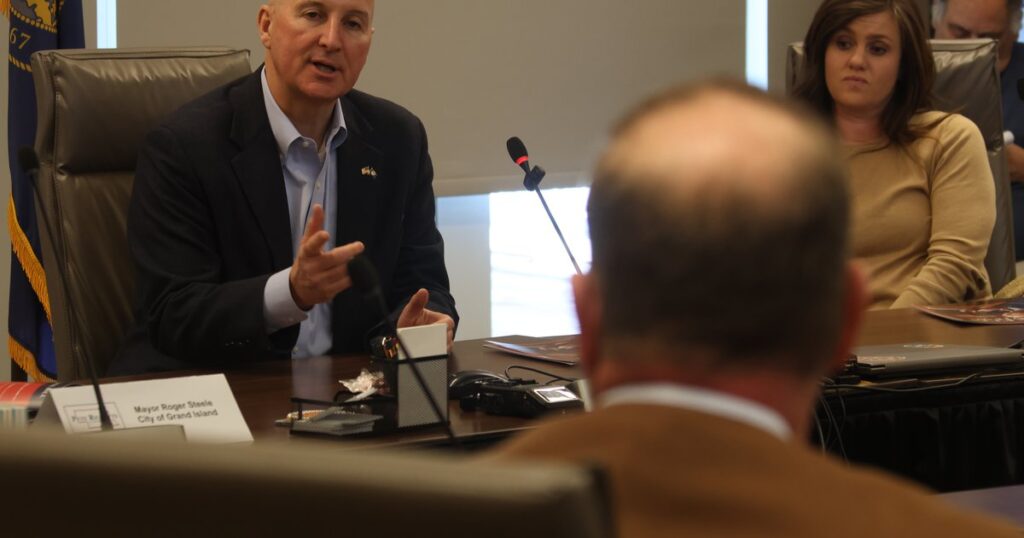
During a recent community event, concerns over rising health insurance premiums and the agricultural market were at the forefront of discussions. Local business owner Jason Morledge, who also serves as the president and CEO of Credit Management, highlighted the financial strain that health insurance costs impose on both his company and employees.
“Health insurance is one of the largest expenses that we have as a business. But worse than that, it’s one of the largest expenses that my employees have,” Morledge expressed. “We’re holding our own, but we’re having trouble keeping up with those increases as an expense.”
In response to these concerns, Senator Ricketts criticized the Affordable Care Act, attributing it to the escalation of premiums since its enactment in 2010. He pointed out inefficiencies within federal health programs, stating, “When Obamacare was passed, President Obama said you could keep your doctor and your premiums would go down. Neither one of those ended up being true.”
Ricketts proposed several potential remedies to make health care more affordable, including enhancing consumer choice, fostering market competition, and expanding insurance pools for individuals. He advocated for directing funds to individuals rather than insurance companies, emphasizing, “For example, let’s give the money to people and not the insurance companies, and you will spend $30 billion a year with the insurance companies giving the money directly to them. And yet we still see the premiums just go up and up and up. So, we know that system is not working.”
Besides health care, local attendees also raised questions about the difficulties faced by Nebraska’s row crop farmers. Ricketts explained how the tax cut act could potentially bolster the state’s agriculture sector by increasing funding for the Market Access Program and foreign market development program. These initiatives aim to broaden U.S. trade partnerships amidst declining market opportunities in China.
“That’s one of the things we can do to help people find more markets for our products. It’s one of the things that’s very important right now,” Ricketts noted. “Being able to find markets for those is important. Another thing that we can do for that is value added agriculture.”
As the tax cut act is still in its early phases, Nebraska has yet to experience its first tax season under the new law. While the federal legislation seeks to offer financial relief, business leaders in the state continue to face affordability challenges.