Lancaster County Enhances Mental Health Support for Inmates
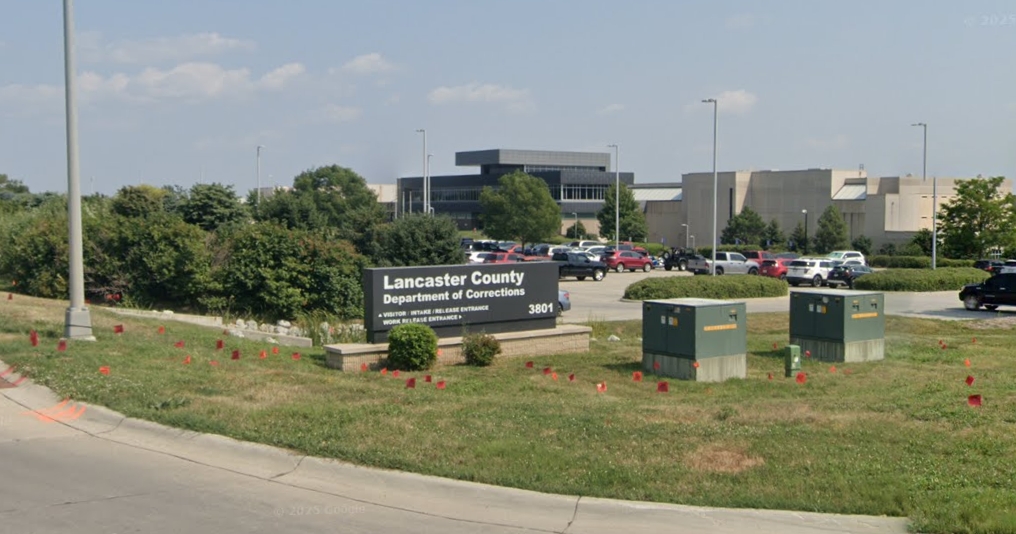
In a progressive move aimed at reducing recidivism, Lancaster County Corrections is set to introduce a new clinical social worker position dedicated to enhancing mental healthcare for inmates. The initiative underscores the growing recognition of the critical role mental health plays in rehabilitation.
Currently, inmates awaiting placement at the Lincoln Regional Center receive mental health services through the Department of Health and Human Services. Outside of this, Wellpath, the correctional healthcare provider, remains the primary source for mental healthcare. However, Corrections Director Maria Hatfield has acknowledged limitations in Wellpath’s ability to deliver individualized care plans and psychoeducational classes due to its obligation to serve the entire jail population.
“Mental healthcare is important in correctional facilities because incarcerated individuals experience a higher rate of mental health challenges, and those can affect their behavior, decision making, and the ability to adjust,” Hatfield stated.
A 2025 assessment of Lancaster County Corrections revealed that nearly 40% of the jail’s average daily population required mental health referrals, aligning closely with the national average of 44%. The assessment also highlighted limited access to programs and services for individuals with high custody levels or special management designations, particularly affecting the most vulnerable inmates.
These findings were presented to the Lancaster County Board, leading to the introduction and subsequent approval of the new social worker position during the June budget hearings. Hatfield anticipates the position will be advertised by January.
The appointed social worker will be responsible for conducting psychosocial assessments to identify inmates’ mental and behavioral health needs. Based on these evaluations, the social worker will create individualized treatment plans and offer supportive counseling and interventions, including both individual and group psychoeducational evidence-based treatments.
Hatfield estimates that around 70 inmates currently housed in the facility would benefit from this level of treatment. These individuals are considered “high needs,” encompassing those with serious mental illnesses, chronic medical conditions, or those residing in specialized housing units.
“Ultimately, these individuals are returning back to our community,” Hatfield emphasized. “So, being able to provide them with the tools and comprehensive programming services that we can provide can ultimately help when they transition back into the community and be our neighbors.”