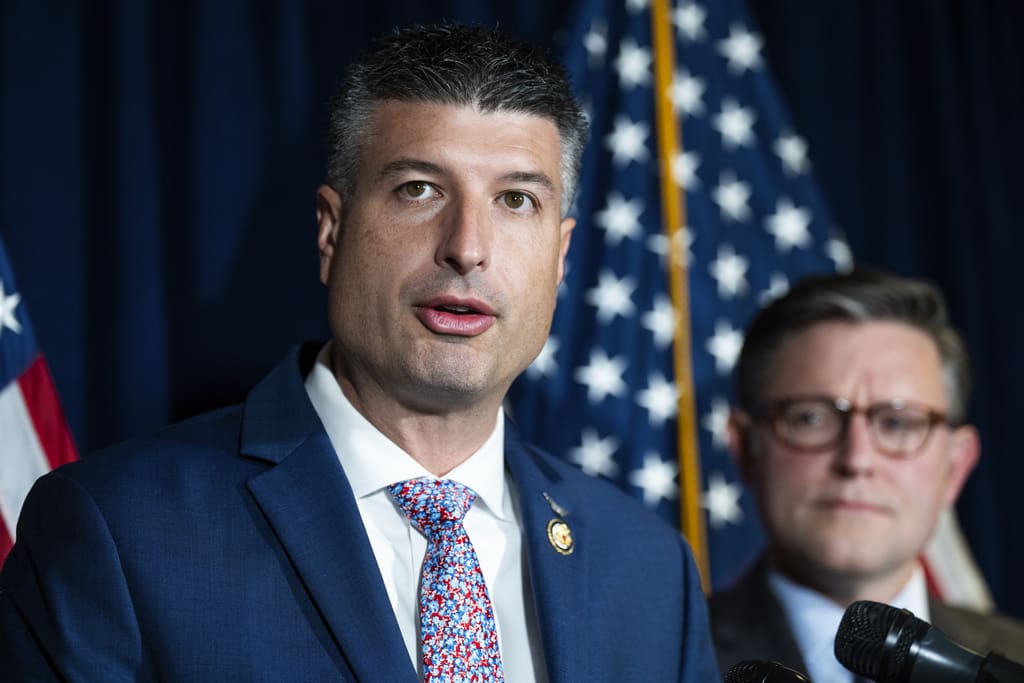
Rep. Barrett’s Donations and the Impact of the One Big Beautiful Bill Act
The passage of the One Big Beautiful Bill Act (OBBB) has come under scrutiny as Michigan Rep. Tom Barrett received significant contributions from wealthy donors and corporations poised to benefit from the legislation. Barrett, representing Michigan’s 7th District, a vulnerable seat for House Republicans, accepted substantial donations leading up to the bill’s enactment.
During the months of March to June 2025, Barrett was the beneficiary of nearly $50,000 from eight billionaires. Among these donors were Richard Uhelin and Jeffrey Yass, notable for their support of the MAGA movement, each contributing $7,000. Real estate heir Ross Perot Jr. also donated $7,000.
In parallel, Barrett collected $17,500 from oil and gas executives linked to Chief Oil and Gas, Sable Periman, and Arrington Oil and Gas. An additional $2,000 came from the Koch, Inc. PAC, representing the energy manufacturing sector.
These contributors are expected to gain from the OBBB’s substantial tax incentives for large corporations and affluent individuals, funded through reductions in Medicaid and other government services. It is anticipated that over 13,000 residents in Barrett’s district may lose health coverage as a consequence.
Despite potential negative impacts, Barrett heralded the legislation as a “significant win” and expressed his commitment to its benefits in an interview with WILX News last August.
Furthermore, the OBBB introduced cuts to clean energy programs developed during the Biden era, removing incentives for solar and wind energy and facilitating increased fossil fuel exploration. Mike Sommers, American Petroleum Institute president, expressed his support in a statement to CNBC, describing the legislation as fulfilling many industry priorities.
While benefiting the oil sector, the law could lead to higher utility bills for U.S. residents. Additionally, the OBBB supports the development of AI data centers, potentially exacerbating local energy demand and costs, with projections suggesting Michigan households might face an average annual increase of $473 in utility bills by 2035, according to an analysis by Energy Innovation.
Barrett’s ties with special interests have drawn criticism. His prior legislative roles include votes that favored car insurers, resulting in substantial industry donations. In 2018, he supported legislation affecting paid leave and minimum wage, aligning with PAC opposition that financially backed him.
The Democratic challenger to Barrett will be confirmed in an upcoming primary on August 4.