Breathing a little easier this summer isn’t just a figure of speech for many Michigan residents — it’s backed by data. The state’s latest air quality report shows a meaningful improvement in ozone levels, part of a broader trend that environmental officials say reflects years of dedicated pollution reduction efforts.
Michigan’s Department of Environment, Great Lakes and Energy (EGLE) monitors ozone levels across the state from March through October — the months when concentrations are most likely to spike. Ozone is a gas that exists naturally in Earth’s atmosphere but can also be produced by human activity. When levels climb too high, air quality suffers, posing real health risks for millions of people.
This year’s monitoring results show the state is largely meeting federal air quality benchmarks. Tom Shanley, an air quality evaluation manager with EGLE, described the direction things are heading:
“The air quality is continuing to improve, and we are attaining the federal standards throughout much of the state.”
One Outlier: Holland
Despite the statewide progress, Holland was the only city that fell short of federal ozone standards this year. EGLE officials believe the culprit isn’t local — pollution drifting across Lake Michigan from neighboring states is the most likely explanation. It’s a reminder that air quality is rarely contained by state lines.
Wildfire Smoke: A Growing Complication
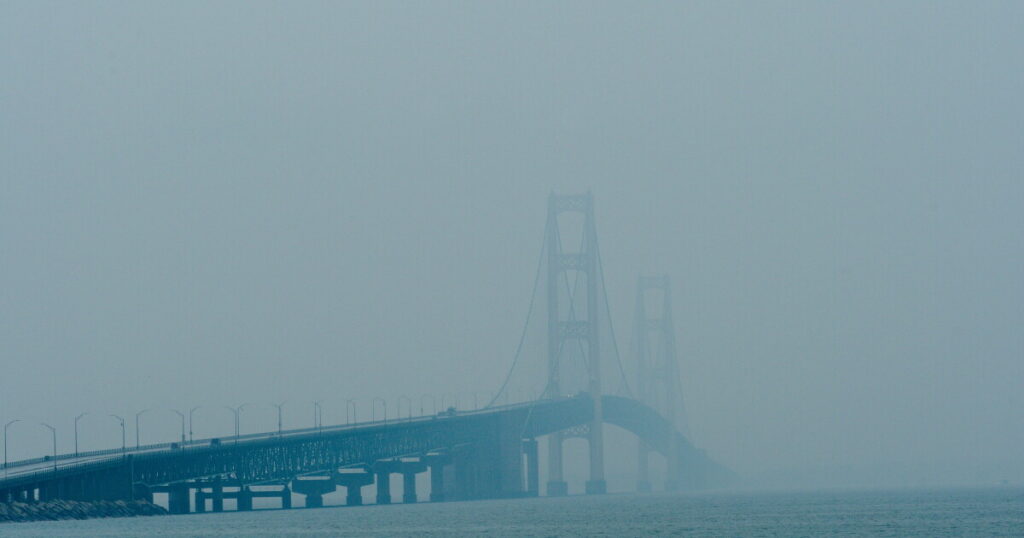
Even as Michigan’s homegrown pollution decreases, a different challenge has grown more prominent in recent years: wildfire smoke. In July, the state saw dangerous air quality conditions when smoke from Canadian wildfires drifted south, temporarily erasing some of the gains made through local pollution controls.
Shanley noted that this kind of outside interference has become increasingly common:
“We have, in the last five to ten years, noticed an increase in impacts from wildfire smoke, whether it’s from places out northwest U.S. or in Canada.”
According to the Environmental Protection Agency, elevated ozone levels can lead to difficulty breathing, particularly for people with compromised respiratory systems such as those living with asthma or other lung conditions. That makes continued monitoring — and transparent public reporting from outlets covering local and regional news — especially important for vulnerable communities.
For now, Michigan’s air quality story is largely one of progress. Officials are keeping a close eye on the factors they can control — and tracking those they can’t.