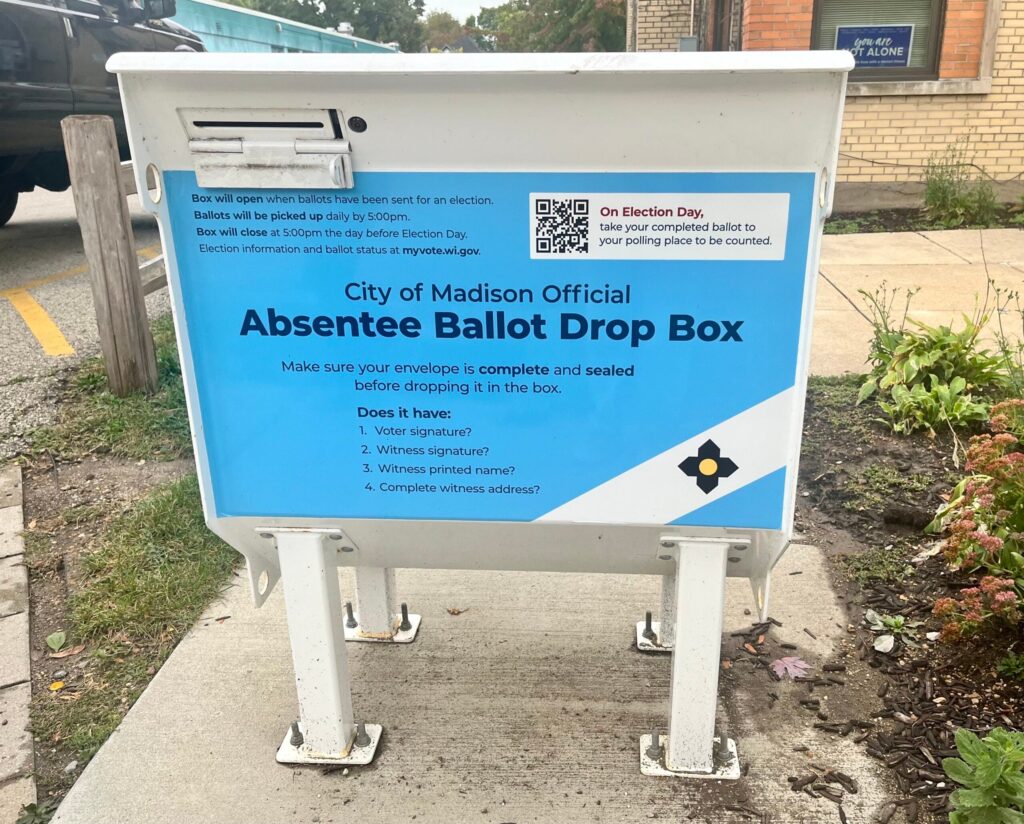
Amidst a backdrop of political contention, Wisconsin’s legislative halls echoed with debate on Tuesday over a Republican initiative to eliminate absentee ballot drop boxes across the state. The proposed legislation has become a focal point for discussions within the GOP, sparking divergent views on whether the party should align strictly with former President Donald Trump’s stance or pursue pragmatic policies likely to succeed.
State Representative Lindee Brill, a Republican from Sheboygan Falls, introduced a succinct bill, consisting of a single line, stating that “no municipality may employ a drop box” for absentee ballots. This initiative comes after the controversy surrounding drop boxes, which have been labeled by Trump and his supporters as sources of alleged, though unverified, election fraud since 2020.
Wisconsin’s judicial stance on drop boxes has fluctuated: initially deemed illegal by the conservative majority of the Wisconsin Supreme Court in 2022, their use was later reinstated in 2024 under a liberal majority.
Brill expressed her gratitude to Trump, acknowledging his influence and asserting that drop boxes undermine public confidence in the electoral process. “This is true election reform that our state needs,” she stated.
However, Rep. Scot Krug of Rome voiced skepticism about the bill’s feasibility, questioning whether Democratic Governor Tony Evers would endorse it. Brill admitted the likelihood was slim but remained hopeful, citing her faith and Trump’s leadership as motivators for her persistence.
“It’s not going to change the Supreme Court’s opinion on drop boxes. It’s not going to change the governor’s opinion on drop boxes,” Krug remarked, emphasizing the need for realistic solutions. He proposed standardized drop box regulations that might secure gubernatorial approval, though Brill dismissed the idea, focusing instead on her original proposal.
Republicans Renew Efforts to Overhaul Voter Ballot Process
Another legislative proposal debated at the hearing seeks to reform the “indefinitely confined voters” process. Originating from Trump’s 2020 election claims, the bill aims to modify the absentee ballot system for voters unable to show photo ID due to confinement.
Currently, under Wisconsin law, these voters can receive absentee ballots automatically. The proposed bill, coauthored by Krug, intends to abolish this process by 2029, requiring voters to provide identification to receive ballots for all elections.
Krug highlighted concerns about potential abuse of the indefinitely confined status, which surged during the COVID-19 pandemic, causing skepticism among observers. He argued that delaying the bill’s implementation until 2029 would mitigate political tensions around upcoming gubernatorial and presidential elections.
Chairman Rep. Dave Maxey suggested an amendment for annual applications to receive absentee ballots, which Krug indicated he might consider, though he acknowledged the potential burden on voters with disabilities.
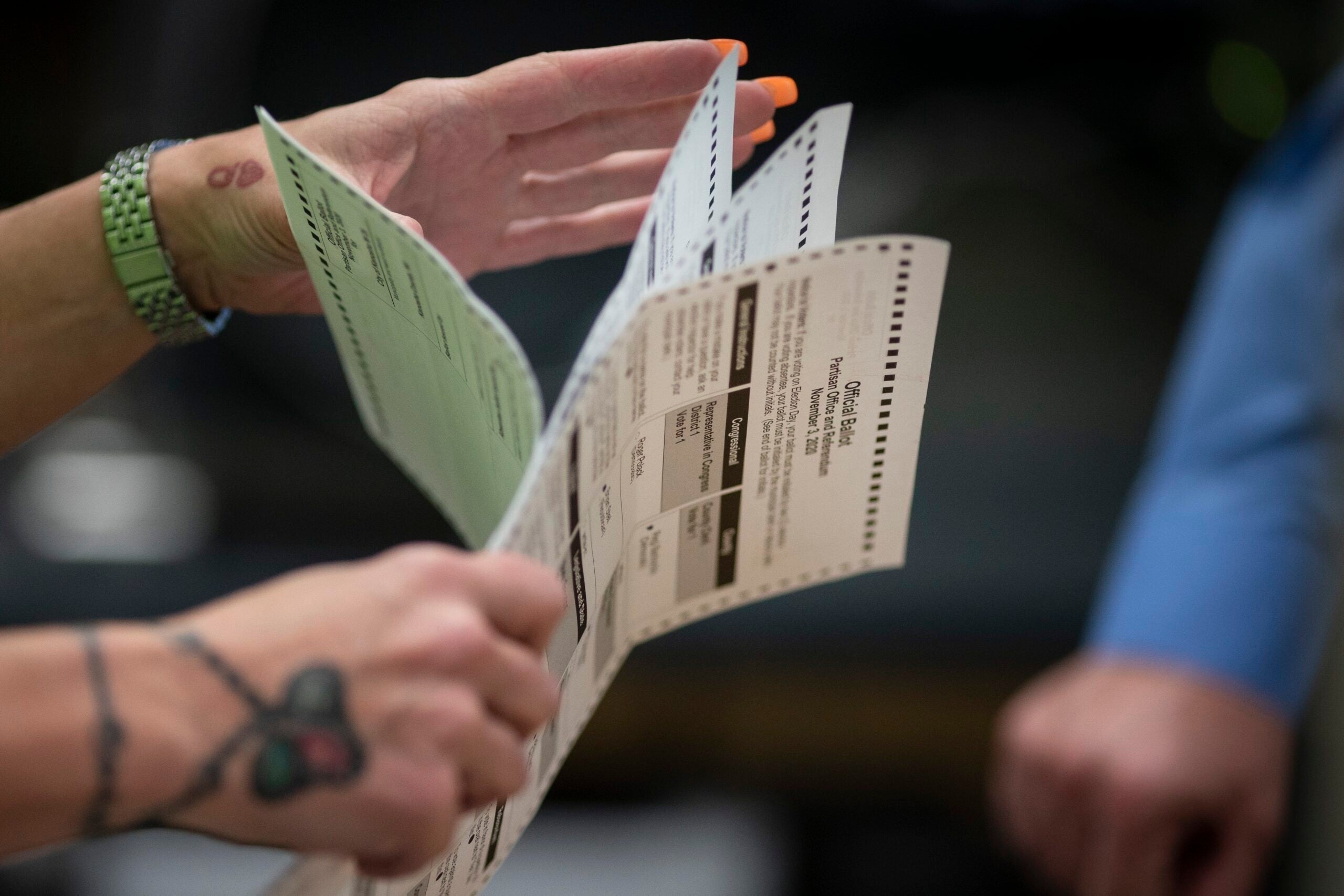
Democrats on the committee and local election officials expressed strong opposition. They warned of increased administrative burdens and pointed out that the state’s WisVote system currently lacks the capability to process voter ID card scans. Marathon County Clerk Kim Trueblood defended the existing system, arguing that proposed changes would create confusion and unmanageable workloads.
Efforts to modify the indefinitely confined voter statute have been ongoing since 2021, with a similar proposal vetoed by Governor Evers in 2023 on the grounds that it unduly targeted specific voter groups and attempted to restrict eligible voter participation.