Wisconsin’s Budget Surplus Sparks Debate Over School Funding and Tax Relief
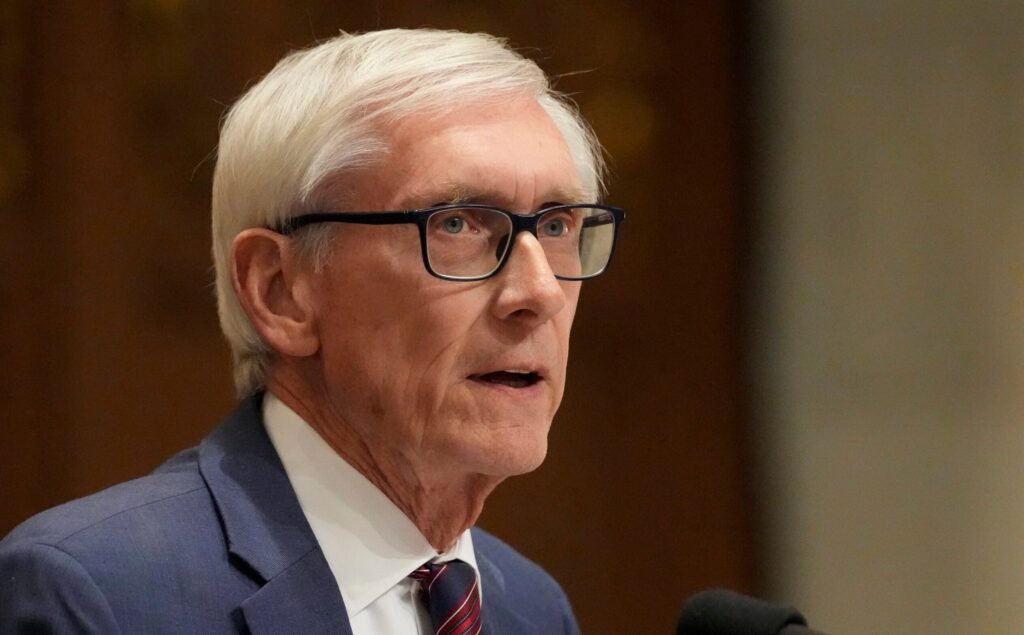
Wisconsin is currently navigating a budget surplus of $4 billion, presenting an opportunity to increase funding for public schools while potentially easing property taxes, which have risen by nearly 8 percent in 2025. Governor Tony Evers aims to leverage this surplus to secure $1.3 billion in property tax relief for residents.
While Evers is optimistic about utilizing the surplus for immediate benefits, Republican leaders caution that much of the surplus constitutes one-time funds, making sustained relief challenging. Senate President Mary Felzkowski remarked on the need for schools to manage their budgets more tightly in the absence of additional revenue, stating, “School districts — I know it’s hard, but sometimes when there’s not additional revenue, you’ve got to tighten your belt,” during a discussion on WPR’s “Wisconsin Today.”
Governor Evers countered this perspective by emphasizing, “The idea that somehow you have to tighten your belt — well, that’s what they’ve been doing for several decades, and that’s a problem. We have the resources available.” He remains open to negotiating changes to the 400-year per-pupil funding increase enacted in the last budget if the legislature cooperates on his agenda.
In addition to tax relief, Evers highlighted his legislative goals in a conversation with “Wisconsin Today,” including addressing PFAS contamination, supporting the state’s data center boom, and preparing for federal immigration enforcement. He expressed hope for bipartisan cooperation, particularly in securing funds for education and environmental protection.
Kate Archer Kent: With the legislative session possibly adjourning in March, where do you see the potential for agreement with Republicans?
Gov. Tony Evers: Key proposals include $1.3 billion in property tax relief, reducing out-of-pocket expenses for families, ensuring adequate funding for Food Share, and advancing PFAS funding. Achieving these by March is feasible if the legislature works diligently; otherwise, they have until the next election in November.
KAK: Mary Felzkowski suggested schools need to budget more tightly. How do you view this trade-off?
TE: Over the years, schools have faced underfunding largely due to Republican policies. With a $4 billion surplus, we can both support schools and reduce property taxes. This dual approach is achievable.
KAK: Are you open to revisiting the extended per-pupil funding increase?
TE: I’m open to discussion if meaningful legislative progress is made by March. However, any changes must be part of a broader agreement that addresses school funding and tax relief.
KAK: Concerns have been raised about the environmental and financial impacts of data centers. How can these be managed?
TE: Ensuring accurate information and collaboration is key. For instance, the Racine County plant recirculates water rather than depleting Lake Michigan resources. Environmental protection, fair municipal agreements, and job creation can coexist if stakeholders listen and work together.
KAK: Is there progress on a PFAS contamination deal?
TE: A deal is close, and I hope to sign a bill soon. The state’s spills law will remain a vital environmental safeguard.
KAK: How is your administration preparing for potential federal immigration enforcement actions?
TE: We are actively coordinating with local leaders, nonprofits, and tribal nations to ensure readiness. Our approach is to foster collaboration and preparedness rather than reactive measures.