U.S. Military Operation in Venezuela Sparks Debate Over War Powers
In a recent turn of events, U.S. military actions in Venezuela have drawn both praise and criticism. The operation, which led to air strikes in Caracas, resulted in the deaths of 100 individuals, including civilians and military personnel, as confirmed by Venezuelan authorities. The mission also resulted in the capture of President Nicolás Maduro and his wife, Cilia Flores, on charges of narco-terrorism and drug trafficking.
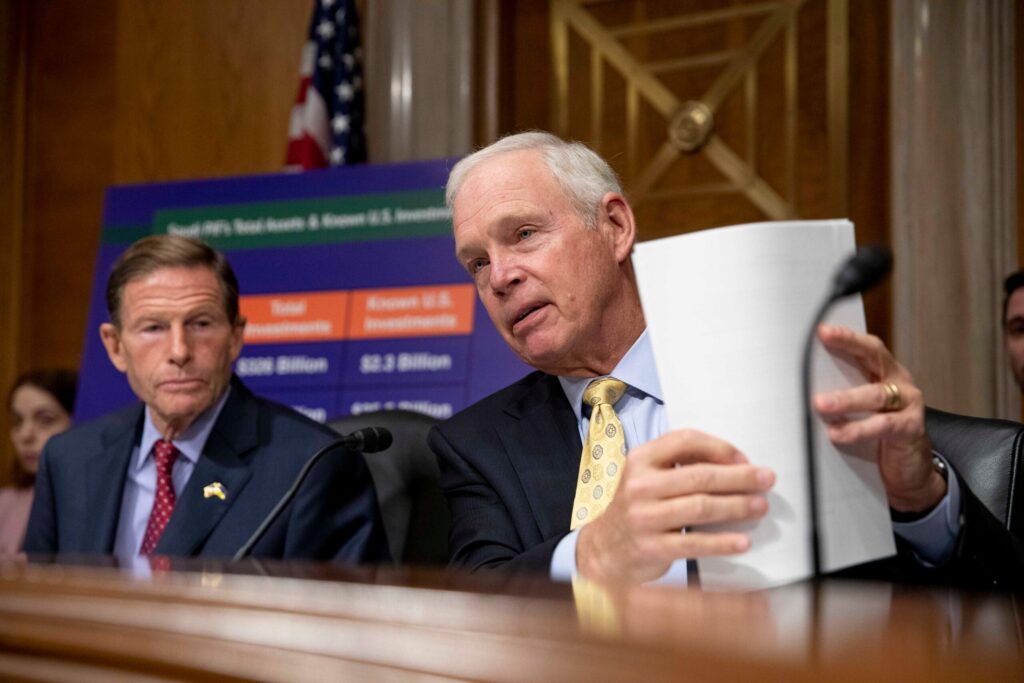
Republican Senator Ron Johnson lauded the operation as an “incredible success,” though he later voted against a Senate resolution that would mandate congressional approval for any further military actions in Venezuela. Johnson shared his views during an interview with WPR’s “Wisconsin Today,” stating, “It’s undeniably good that Maduro is no longer running Venezuela. Maduro was not the legitimate president of Venezuela. He was running Venezuela as a narco-terrorist state.”
The lack of prior notification to Congress about the military operation has led to accusations of a breach of the War Powers Resolution. The Senate narrowly advanced a resolution requiring congressional consent for further military activities with a 52-47 vote.
Despite the controversy, Johnson and his Republican peers largely opposed the measure. He remarked, “I don’t think there’s a president who has ever recognized the constitutionality of the War Powers Act. It’s never been really argued in front of the Supreme Court.” Johnson emphasized the constitutional powers granted to the President regarding foreign relations and national security, highlighting past presidents’ exercise of such authority.
In the wake of the operation, President Donald Trump announced plans for the U.S. to control Venezuela’s substantial oil reserves. According to a fact sheet from the Energy Department, revenues from these sales will be used at the U.S. government’s discretion for the benefit of both American and Venezuelan citizens. Johnson expressed optimism about this approach, suggesting it could aid Venezuela’s transition toward aligning with Western economies.
While the administration has not clarified the exact share of oil revenues for Venezuela, President Trump indicated to the New York Times that U.S. involvement in Venezuela could continue for the foreseeable future. However, Johnson voiced his preference to avoid deploying U.S. troops, saying, “We can sell that oil for them (and) turn that over to civil society for the benefit of Venezuelan people.”
When questioned about the potential for similar interventions in other nations, Johnson expressed hope that such measures would not become necessary. He stated, “Other leaders need to stop trafficking drugs into America and killing Americans. What we did in Venezuela will hopefully be a real deterrent, and get them to take President Trump at his word that, (if) they continue doing things that are harmful to America and Americans, action may be taken again.”