
In a proactive move, Scranton is considering a ban on kratom, a substance gaining notoriety for its addiction potential. City officials announced two legislative measures aimed at curbing its sale and possession, emphasizing the need to address this issue before it escalates.
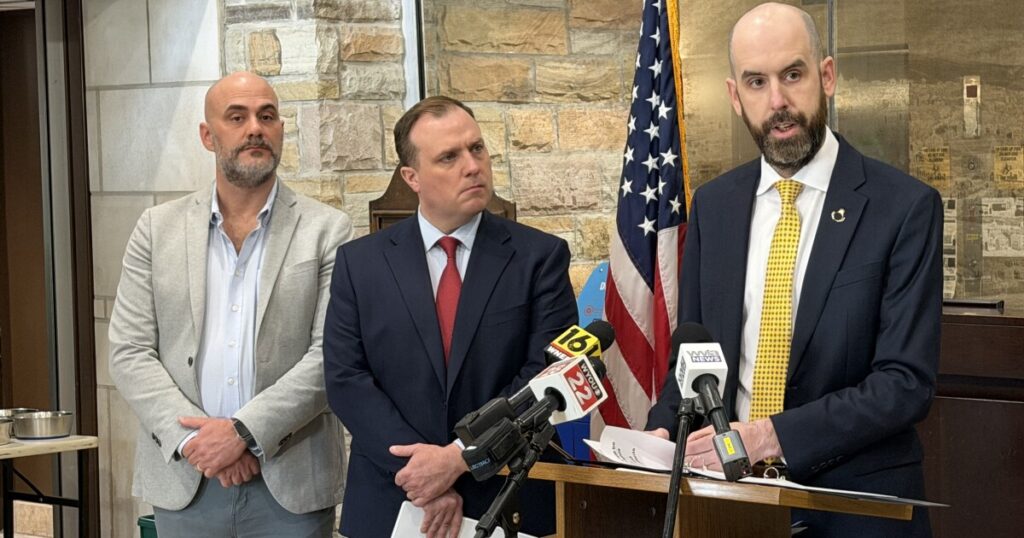
During a news conference at the Lackawanna County Courthouse, Councilman Patrick Flynn, alongside District Attorney Brian Gallagher, revealed ordinances to prohibit kratom in the city. Flynn, who is in recovery, highlighted the growing concern among treatment providers and families about kratom dependence. “As a city, we have a responsibility to get ahead of problems before they become full blown crises,” Flynn said.
Kratom Sale and Possession Regulations
The proposed legislation seeks to eliminate the possession, sale, and production of kratom within Scranton. It also targets sales to minors and assisting minors in obtaining kratom. Violations could result in fines up to $300 and up to 90 days in jail.
Flynn noted that the ordinances would be introduced on Tuesday, with hopes for swift passage. Mayor Paige Cognetti expressed support, emphasizing the importance of protecting youth from unregulated substances.
Rising Concerns Over Kratom Dependency
Joe Van Wie, CEO of Fellowship House, an addiction treatment provider, raised alarms about kratom’s impact, particularly on young people. He described severe withdrawal symptoms that can surpass those of traditional opioids and increasing reports of toxicity linked to high-dose kratom products.
Despite the lack of comprehensive data, Gallagher pointed out incidents of kratom-related overdoses in Pennsylvania, citing a death in Carbon County due to kratom toxicity. “We’re seeing widespread reports of its addictive properties. We’re seeing withdrawal symptoms,” Gallagher stated.
FDA’s Position on Kratom
Kratom is derived from a Southeast Asian plant and is used by some to self-treat various conditions. However, the FDA warns against its use due to insufficient testing, labeling certain derivatives as an “emerging opioid threat.” A 2021 survey indicated that approximately 1.7 million Americans had used kratom.
Van Wie criticized the ease of access to kratom, sold in places like gas stations and vape shops without adequate oversight, posing risks to community safety.
Responses and Opposition
Flynn and Gallagher encouraged neighboring municipalities to adopt similar bans, likening the initiative to past local efforts against bath salts. Gallagher expressed hope that local actions would inspire broader regulatory changes.
However, Mac Haddow from the American Kratom Association argued against the broad regulation of kratom, supporting restrictions only on synthetically engineered versions. Haddow noted that naturally occurring kratom has been considered safe by the FDA in recent studies, and should remain available to consumers.
Haddow emphasized the importance of distinguishing between natural kratom and synthetic derivatives, advocating for the continued legal use of the natural product for its potential benefits.



