Empowering the Vulnerable: Community Efforts in Disaster Response
In the face of natural disasters, individuals with disabilities face unique challenges that can amplify the severity of such events. In Western North Carolina, grassroots efforts are emerging as a vital component in supporting these vulnerable populations.
Walter Davis, a resident of Swannanoa’s East Haven Apartments, knows these challenges all too well. Unable to drive due to multiple disabilities and dependent on various medications, Davis found himself relying heavily on his neighbors when disaster struck his community. “For about three and a half weeks we had no power, no water,” Davis recalled, describing how they resorted to using creek water to flush toilets.
The plight of individuals like Davis is not unique. Research indicates that people with disabilities are four times more likely to die in disasters. Those who survive often face significant hurdles in evacuation and recovery.
Efforts by organizations such as the North Carolina Department of Health and Human Services aim to bridge the gap for those in need. Lauren Howard, from the state Office on Disability and Health, emphasized the importance of involving people with disabilities in planning and response efforts. “You really have to have people with disabilities and organizations that serve people with disabilities at the table,” she said.
Grassroots organizations have been pivotal in these efforts. Dom Kelly, head of the advocacy group New Disabled South, highlighted the lack of awareness in local governments regarding the needs of the disabled during emergencies. His organization provided $500,000 in direct financial aid to disaster survivors, revealing the substantial need for such support.
One local initiative, Swannanoa Communities Together, was born out of necessity after Helene. Co-founded by Beth Trigg, the group has become a cornerstone of support, addressing the needs of those unable to evacuate. “We really immediately saw the different needs of people who had specific medical issues or disabilities,” Trigg observed.

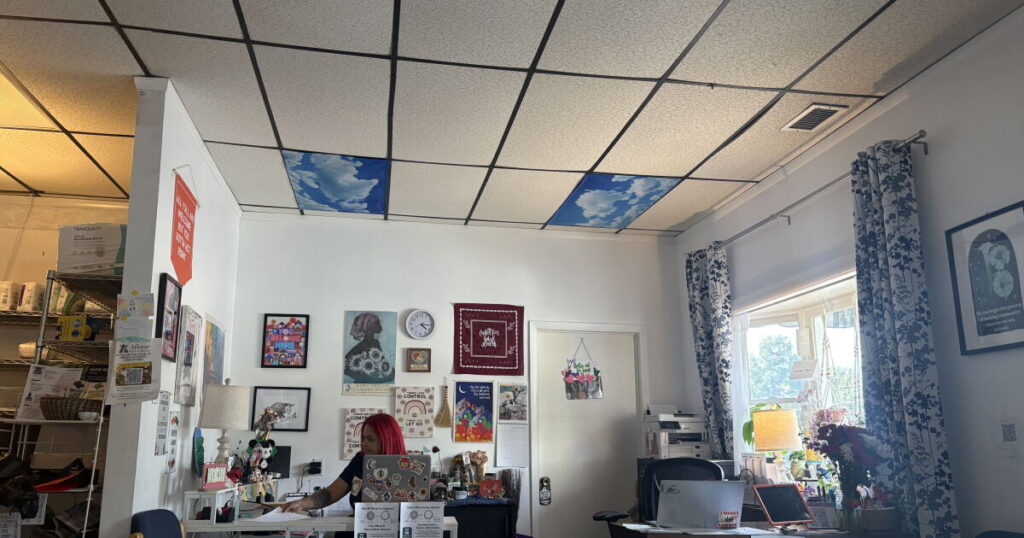
Swannanoa Communities Together has shifted focus to long-term recovery for disaster survivors with disabilities. The organization collaborates with therapists, provides financial and housing aid, and helps navigate FEMA applications. Their community center is set to expand, including features such as ADA-compliant bathrooms and wheelchair ramps, ensuring accessibility for all.
As these efforts continue, the hope is that accessibility becomes a standard feature in community planning and disaster response, providing a reliable support network for those in need.