Imagine waking up to a world devoid of people, enveloped in a bluish haze, with only fragmented memories of horror films lingering in your mind. This evocative scenario forms the foundation of “Poltergeist,” the debut novel by Jocelyn Szczepaniak-Gillece, a film professor at the University of Wisconsin-Milwaukee.
The novel transports readers into an apocalyptic setting where an unnamed woman navigates a desolate landscape. Szczepaniak-Gillece, during an interview with WPR’s “Wisconsin Today,” expressed her desire to create a cinematic atmosphere in her writing. “I personally really love novels that are cinematic in scope, that give you a lot of description, that give you a lot of scene-setting where you can really feel where you are — you feel immersed just like you are in a film,” she shared.
Published by Apocalypse Confidential in December, “Poltergeist” is peppered with subtle nods to classic horror films like “The Thing” and “The Changeling,” and naturally, the 1982 movie “Poltergeist.” The novel serves as a testament to Szczepaniak-Gillece’s expertise in horror films, drawing inspiration from the eerie Wisconsin winters to craft its chilling narrative.
The following interview has been edited for brevity and clarity.
Rob Ferrett: Transitioning from film to novel writing, what was your motivation?
Jocelyn Szczepaniak-Gillece: Storytelling, whether visual or written, captivates me. I’ve always been fascinated by how deeply films influence our subconscious and history. Writing “Poltergeist” allowed me to explore this connection between visual and written narratives.
RF: Without giving too much away, how would you describe the plot to a reader?
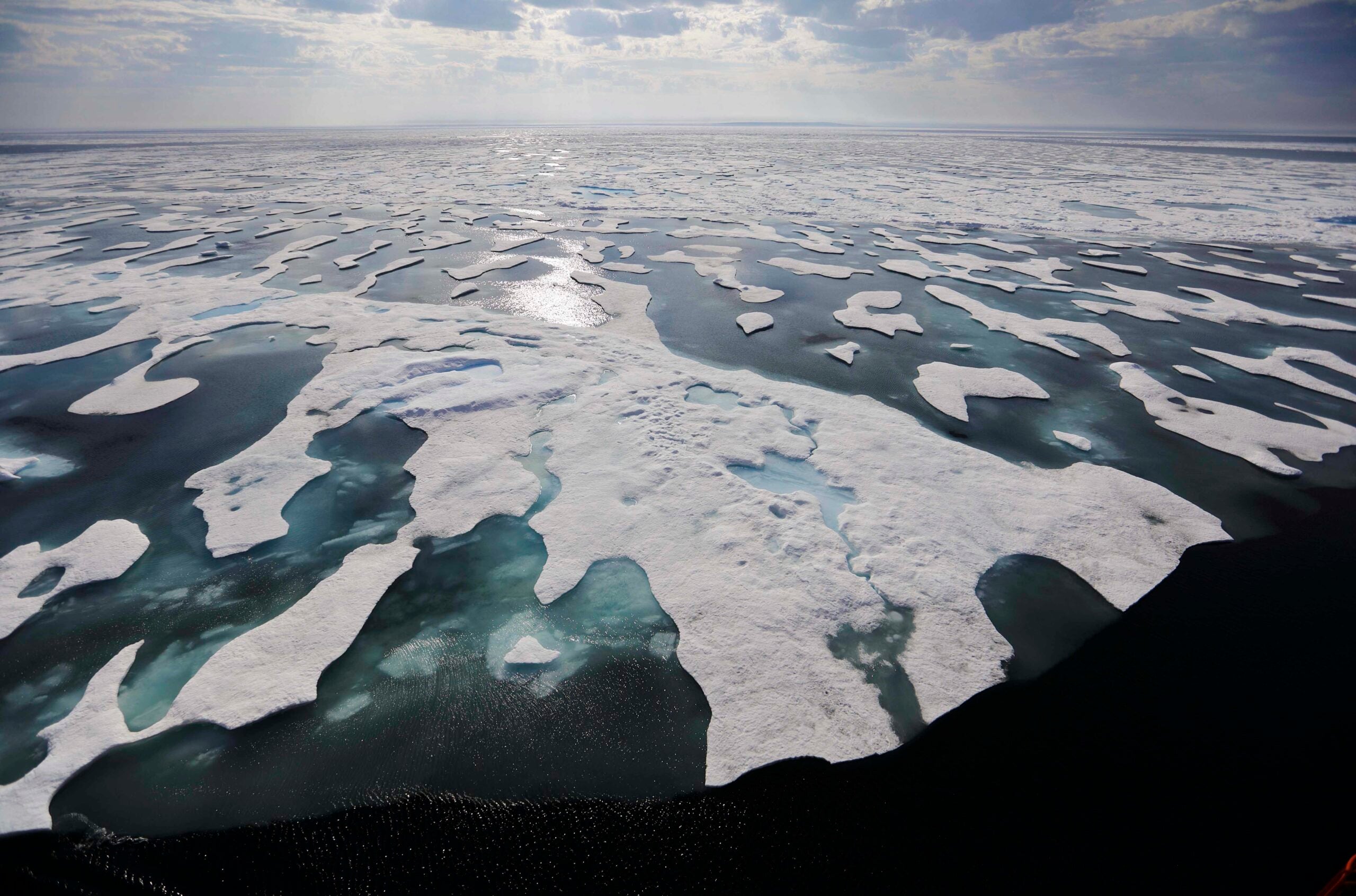
JS-G: At its core, the novel is about an unnamed woman, isolated and without memory, at the world’s apparent end. But it’s also an exploration of identity and existence in solitude. The story’s genesis was a dream about a melting Arctic outpost, which shaped the book’s direction.
RF: How did Wisconsin’s landscape influence the novel?
JS-G: While the story isn’t set in Wisconsin, its winters heavily influenced the book’s atmosphere. Moving from the mid-Atlantic to Wisconsin, I experienced intense snowstorms, which feel apocalyptic. This sense of environmental change and loss resonates throughout the story.
RF: The novel intertwines with horror films. How did you incorporate these elements?
JS-G: Films have permeated our consciousness. I wanted the protagonist’s film memories to resonate with readers, evoking familiar horror classics like “The Texas Chainsaw Massacre” and “The Changeling” without explicitly naming them. This approach creates a subconscious connection between the reader and the character.
RF: Can you elaborate on the concept of “weird horror” in your novel?
JS-G: Weird horror is a subgenre that thrives on ambiguity, leaving readers with a sense of unease and unanswered questions. For those who find the world perplexing, this genre resonates deeply, aligning with my storytelling philosophy.
Boswell Book Company in Milwaukee is holding an author event with Jocelyn Szczepaniak-Gillece on Feb. 5 at 6:30 p.m. The event is free and open to the public.