As Medicaid and Medicare marked their 61st anniversary, Pennsylvania became a focal point for debates concerning the future of these programs. Political figures in the state expressed contrasting views on potential impacts due to recent legislative changes.
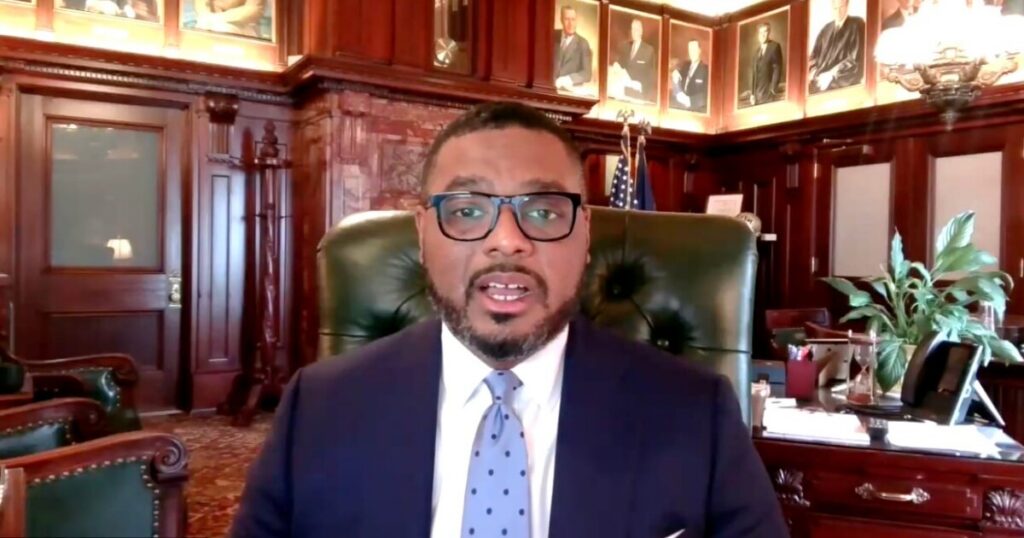
Pennsylvania’s Lt. Gov. Austin Davis alerted an online audience about the possible significant financial losses for the state tied to federal funding reductions enacted last year. “The Commonwealth cannot backfill or absorb these cuts,” said Davis during a press session organized by the Pennsylvania Health Access Network.
He emphasized that starting January 2027, the new Medicaid cuts would likely influence eligibility, service quality, and provider reimbursement rates, attributing the legislation to actions taken by Donald Trump and congressional Republicans.
However, Rep. Rob Bresnahan of Northeast Pennsylvania dismissed these concerns, describing them as Democratic scare tactics. Bresnahan stated to WVIA News: “Another scare tactic from Democrats… Medicaid spending has increased by 10% over the last year.”
Changes to Medicaid: What It Means
Medicaid, a federal-state partnership providing health insurance to 78 million Americans, is facing alterations due to the legislative actions under President Donald Trump. In Pennsylvania, nearly 3 million residents benefit from the program.
President Lyndon B. Johnson originally signed Medicare and Medicaid into law on July 30, 1965. However, the landscape shifted when President Donald Trump endorsed HR-1, the One Big Beautiful Bill Act, introducing substantial revisions to Medicaid.
HR-1’s provisions include work mandates with exceptions for certain categories, alongside more frequent checks on eligibility, effective from January 2027. Davis cautioned that these changes could severely affect Pennsylvania, potentially leading to over 300,000 residents losing coverage, rising healthcare costs, and the closure of more than 25 rural hospitals.
According to the Congressional Budget Office, Medicaid funding is anticipated to be reduced by more than $900 billion from 2025 to 2034. Additionally, KFF estimates a $137 billion decrease in spending in rural regions over the next decade, with Pennsylvania facing a $5.5 billion reduction.
Political Perspectives on Medicaid Adjustments
U.S. Rep. Rob Bresnahan supported HR-1, which played a pivotal role in its passage. Bresnahan countered Democratic criticism by emphasizing the importance of addressing inefficiencies within the Medicaid system. “The facts matter,” he stated. “This is about rooting out waste, fraud, and abuse while protecting Medicaid for the people it’s meant to serve.”
Conversely, Rep. Chris Deluzio criticized those who endorsed the law, labeling the cuts as reckless and harmful, especially given the lack of action on extending the Affordable Care Act tax credits. He highlighted the adverse effects seen in Pennsylvania, where over 160,000 residents lost healthcare coverage.
Deluzio pledged to strive for a reversal of these changes, expressing hope for support from other lawmakers. He emphasized the critical role of health care in upcoming elections, with 75% of participants in WVIA’s voter survey ranking it as a top issue. Lt. Gov. Davis reiterated the state’s inability to compensate for federal Medicaid spending cuts.