North Carolina’s Early Voting Controversy: Balancing Access and Tradition
In North Carolina, the State Board of Elections has taken on the role of mediator in early voting schedule disagreements across 20 counties, reflecting a broader debate over accessibility and tradition. The contentious issue of Sunday voting has emerged as a focal point, with the board largely aligning with Republican opposition, while some exceptions were made.
Republican board member Four Eggers articulated a common concern that Sundays should be preserved as a day of rest, which resonates with religious and family commitments. “Sunday generally is seen as a day of rest by many and is an important time for family for those who observe religious activities,” Eggers stated. His stance was echoed by local officials who reported low Sunday turnout and poll workers requesting Sundays off.
On the other hand, Democrats argue that Sunday voting is crucial for those unable to vote during the week, highlighting its popularity within Black churches for “souls to the polls” events. State Board of Elections Democrat Siobhan Millen emphasized, “When you look at the racial breakdown in some counties, Sunday voting is used more heavily by Black folks, and in some counties it isn’t. There’s uptake from everybody, so I think getting rid of Sunday voting really hurts working families.”
Beyond Sunday voting, the selection of early voting sites has also sparked disputes. In Guilford County, Republicans opposed campus voting sites at UNC-Greensboro and N.C. A&T State University, while a compromise was reached in Jackson County to include a site at Western Carolina University.
Partisan lines were evident in the board’s decision-making, often siding with Republican proposals. This included rejecting additional sites in left-leaning areas like Spring Lake in Cumberland County and southeastern Kinston in Lenoir County. However, certain compromises were reached, such as in Granville County, where both a popular site in Creedmoor and a GOP-preferred site in Oxford were approved.
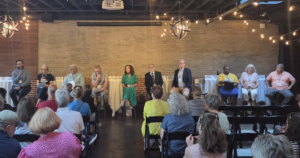
The influence of Dallas Woodhouse, a former elections liaison for State Auditor Dave Boliek, was a recurring topic during the board meeting. Allegations that Woodhouse pressured board members to align with certain voting schedule preferences were met with frustration. Francis de Luca, Republican chairman of the state board, dismissed Woodhouse’s current relevance, stating, “I hope we never hear the name Dallas Woodhouse in here again. He has nothing to do with any of this anymore. He doesn’t work for this board. He is a private citizen who can do anything he wants.”
The final decisions regarding some counties include:
Decisions for Select Counties
- Anson: The Republican proposal for a single location with limited hours was upheld, though the board urged local reconsideration for additional hours.
- Chatham, Craven, Greene, Nash, Scotland, Pasquotank, Wayne, Union, and Harnett: GOP plans without Sunday voting were approved.
- Cumberland: An early voting site in Spring Lake was denied.
- Columbus: A site in Fair Bluff was restored.
- Jackson: Voting was approved at both the Western Carolina University campus and a nearby off-campus location.
- Lenoir: An additional site in a historically Black neighborhood was rejected.
- Granville: A compromise added back a site in Creedmoor alongside a site in Oxford.
- Guilford: Campus sites were rejected in favor of locations in downtown Greensboro and Stokesdale.
- Pitt: An additional site was added in Simpson, but no Sunday hours were included.
- Rowan: A four-hour Sunday voting period was approved.
- Lee: A compromise included three hours of Sunday voting on October 18.
- Rockingham: The Republican plan was upheld, with extended Saturday hours offered.
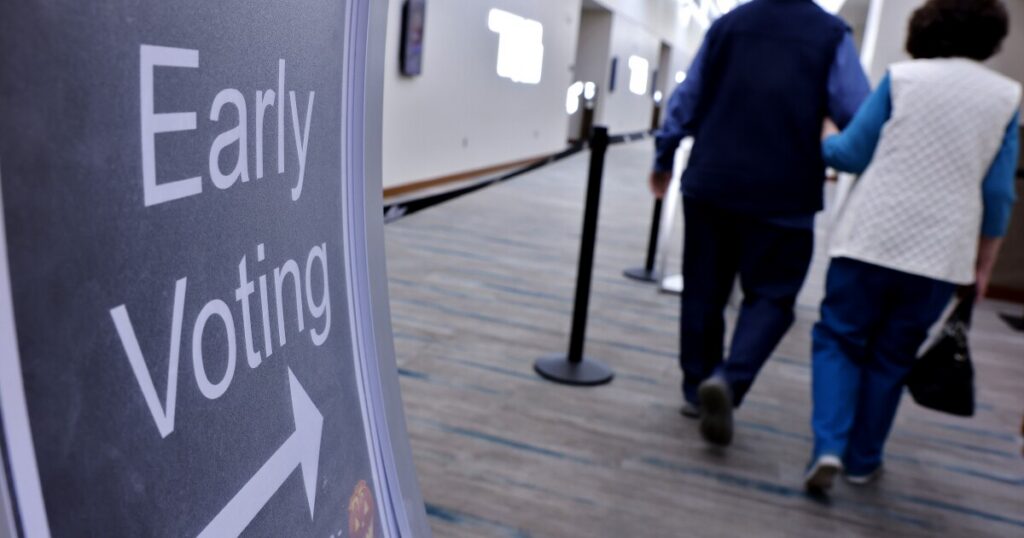
Early voting in North Carolina is set to commence on October 15 and continue through October 31, with this year’s schedule promising more hours than previous midterm elections, according to de Luca.