HUD Retracts Homelessness Grant Guidance Amid Concerns of Funding Cuts
On December 8, 2025, the U.S. Department of Housing and Urban Development (HUD) announced the withdrawal of recent guidance concerning homeless services grants. This decision, detailed in a brief update on the Continuum of Care website, has left local officials and service providers anxious about potential reductions in housing support funding.
According to the update, HUD plans to revise the Notice of Funding Opportunity (NOFO) for the Continuum of Care (CoC) grant program. The withdrawal aims to allow modifications in light of new priorities, such as the Youth Homelessness Demonstration Program (YHDP) and new funding sources. HUD intends to reissue the modified NOFO well before the Fiscal Year 2025 funds need to be obligated.
Community Impacts and Concerns
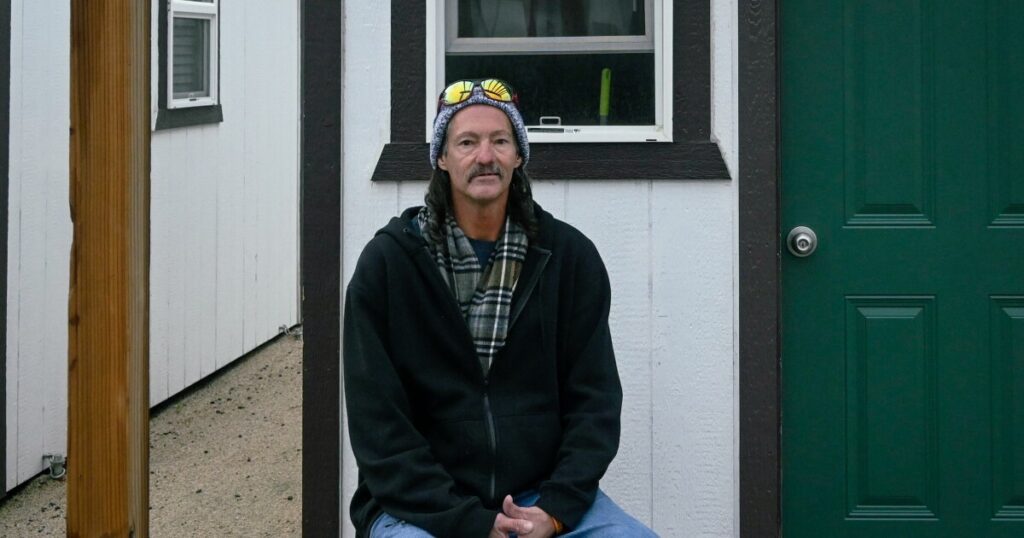
In Reno, Dean Herman, a resident at the transitional living facility Hope Springs, shared his journey from facing citations for camping and open containers to seeking permanent housing. He attributes his progress to the specialty court designed to divert unhoused individuals from jail to supportive services.
“That’s what the people need. They need a roof over their head. They need, you know, a place to lay down,” Herman stated. “And then you can change your mindset.”
However, in October, the closure of the Community Court in Reno was announced due to challenges in diverting homeless individuals from the criminal justice system and a declining number of service providers.
Policy Shifts and Local Concerns
In November, HUD announced new guidance under the Trump Administration, focusing on addressing severe mental illness and substance abuse as root causes of homelessness. Local advocates fear these changes could reverse progress made through existing HUD programs, with concerns over potential funding losses of up to $1.9 million for permanent supportive housing and rapid rehousing.
Washoe County data reveal a persistent challenge as the number of newly homeless individuals consistently exceeds housing placements. High housing costs contribute significantly to this issue, with average rents in the Reno-Sparks area reaching an all-time high of $1,753 in mid-2025.
Local officials, including Catrina Peters, express concerns that new HUD priorities may divert funds from permanent housing to short-term housing and street outreach, reducing resources for rental assistance.
Federal Policy and Local Reactions
HUD’s new guidelines align with a July Executive Order by President Trump aiming to increase accountability in homelessness assistance and transition away from the ‘housing first’ model. This shift follows directives from Project 2025, setting the agenda for Trump’s second term.
Despite these changes, HUD’s own analysis indicates that ‘housing first’ policies enhance housing stability and reduce homelessness. Critics argue that focusing on individual behaviors rather than broader economic trends will not effectively address homelessness.
Ben Iness from the Nevada Housing Justice Alliance emphasized, “I don’t know how folks can be ready to work, or work towards becoming sober or clean, what have you, when they’re still living outside.” He and others point to rising rents and inadequate tenant protections as key factors driving homelessness.
As HUD revises its funding guidelines, local officials like Peters remain concerned about the future of housing support and the broader impact on communities grappling with homelessness.