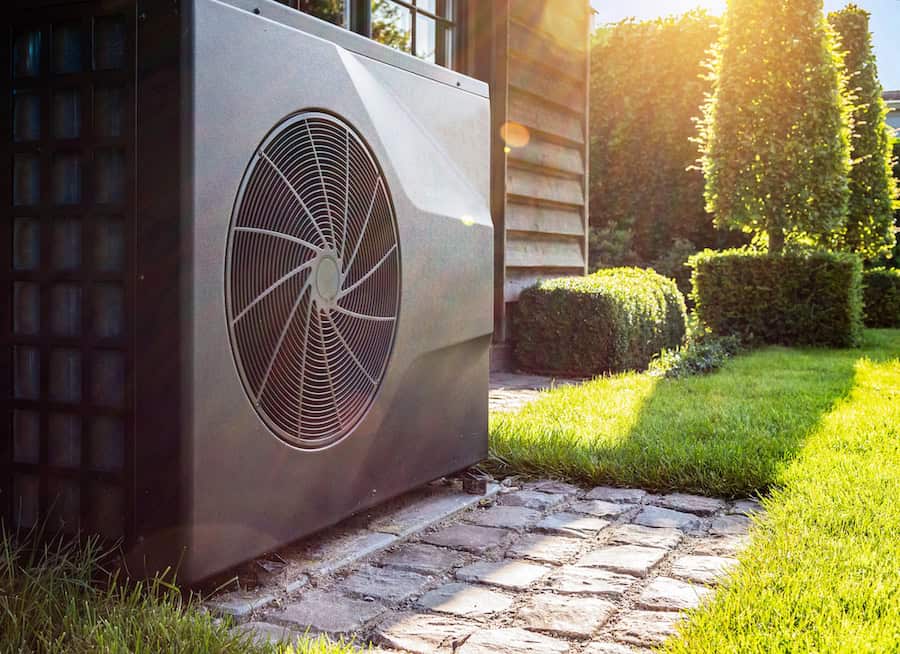
The first UK homes compliant with new energy efficiency standards are showing promising contributions to the stability of the electricity grid, according to a study in Birmingham, UK. These heat-pump-equipped social housing homes have demonstrated lower-than-expected peak electricity demand, stated Dr Monica Mateo-Garcia, academic lead at the Centre for Future Homes, Birmingham City University.
A yearlong observation of seven all-electric homes by researchers from Birmingham City University revealed that smart energy use and efficient design can prevent demand spikes that might otherwise stress the infrastructure. This eases worries that widespread adoption of electric heating might overburden the network. The study’s year-round comparison showed the electricity consumption of these homes to be significantly lower than the average UK home.
Professor Richard Fitton from the University of Salford, unassociated with the research, pointed out, “We currently seem to be overpredicting how much power new-build housing needs.”
Each of the observed properties was fitted with an air-source heat pump for heating and hot water, along with high-grade insulation and solar panels. Critics have voiced concerns that the additional load from heat pumps could strain the grid. However, the results indicate that these electrified homes use less energy during peak times, thanks to staggered peak usage times across the properties, reducing grid pressure.
In several instances, the electricity used for heating and hot water was lower than the estimates given by Energy Performance Certificate (EPC), raising questions about the accuracy of EPC ratings. The total energy consumption throughout the year was between 40% and 67% lower than the UK average for each property, constituting “a huge saving over the typical household.”
“All those reasons not to go ahead with a heat pump are slowly but surely falling away,” commented Professor Aaron Gillich from London South Bank University.
These findings lend credibility to the forthcoming Future Homes Standard, set for 2027 implementation. The new standards will mandate all new properties to be equipped with heat pumps and solar panels.
Main image: Nancy Pauwels
Positive News encourages everyone to be part of the solution. To reiterate, this platform isn’t motivated by clickbait or profiteering for media moguls. Instead, it exists to serve its readers and promote a positive social impact. It is only possible to uphold this mission with sufficient support from people who appreciate our journalism. Readers are invited to donate once from as little as £1, or join the 1,800+ individuals who contribute an average of £3 or more each month. By banding together, we can cultivate a healthier form of media—one that focuses on solutions, progress, and possibilities, and empowers people to stimulate positive change.