Western North Carolina is confronting a severe drought, as revealed in the latest report from the N.C. Drought Management Advisory Council. The entire region is now categorized under extreme drought, the second-highest severity level, and almost all other areas of the state are experiencing severe drought conditions. State climatologists have cautioned that a swift resolution is unlikely.
The experts from the N.C. State Climate Office convened this week to discuss the factors contributing to the drought in Western North Carolina and to outline future expectations.
Building Since Last August
Corey Davis, Assistant State Climatologist, noted that the drought, which has intensified over the past six weeks, actually began developing last August. A combination of factors, including a subdued hurricane season, a La Niña winter diverting storm paths northward, and an unusually warm April in Asheville, has led to significant rainfall shortages exceeding 12 inches across much of the state. The previous extreme drought in this region occurred during 2016-17, resulting in a damaging fall fire season.
“This is a big drought. It has been with us for a while and we’re not going to get rid of this drought and its impacts with one event or even in one month,” Davis stated. “Ideally, we would like to start seeing, consistently, at least 1 to 2 inches of rain per week.”
Water Levels: A Mixed Picture
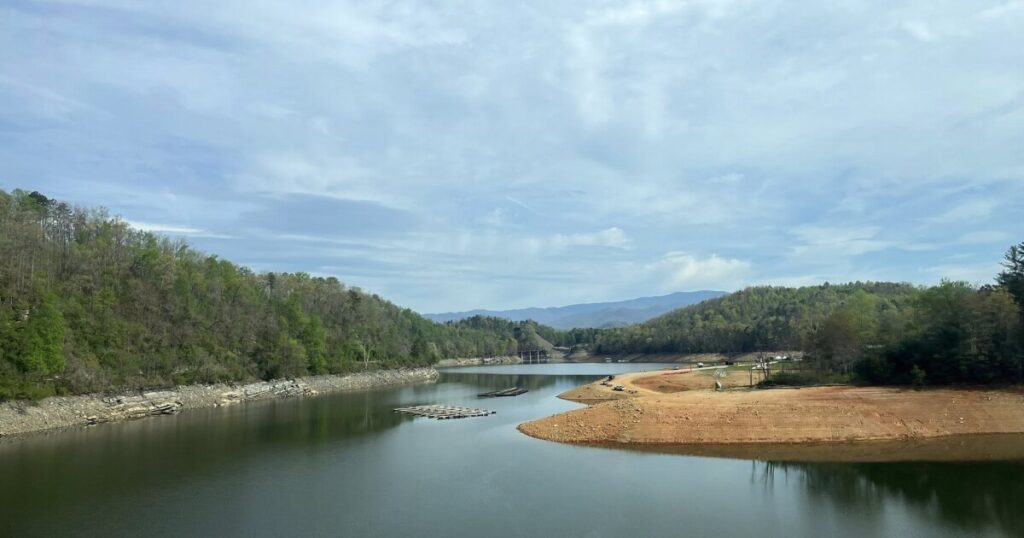
According to Klaus Albertin from the N.C. Division of Water Resources, the water situation in Western North Carolina is varied. Reservoir managers retained higher lake levels through the winter, which provided some buffer, but this is rapidly decreasing. Fontana Lake, a crucial water source in Graham and Swain counties, exemplifies the strain. Despite being over five feet above its target level in early March, Fontana is now over seven feet below normal. The Tennessee Valley Authority, which oversees Fontana and other reservoirs, has hit its minimum operating limit and will reduce downstream water releases.
The situation is equally concerning for residents relying on private wells. The State Climate Office reports that a monitoring well in Bryson City is one of 20 across the state at record low levels for the month. Albertin warned that shallow wells might start functioning intermittently or stop altogether if conditions persist.
Fire Risks Heightened by Helene Debris
Jamie Dunbar from the N.C. Forest Service highlighted that debris from Hurricane Helene is exacerbating fire risks in highland areas. Fallen trees with attached dry leaves and debris near homes are drying out, creating potential fire hazards. Additionally, forests at higher elevations are experiencing below-normal green-up, which increases fire susceptibility. Fires are burning deeply into the soil, complicating firefighting efforts in the drought-stricken region.
A statewide burn ban, effective since March 28, prohibits all outdoor burning activities, including campfires and fireworks. Dunbar emphasized that the ban will remain until drought conditions significantly improve.
Weather Forecast: Some Hope but No Immediate Relief
Barrett Smith, a hydrologist with the National Weather Service, indicated that an upcoming shift in weather patterns might bring substantial rain to the area, with the mountains potentially receiving more than the forecasted half-inch to an inch. However, Davis stressed the importance of consistent rainfall over several months for true recovery, noting that the next 30 days are crucial.
Immediate Actions for Residents
Despite the anticipation of rain, experts noted that several months of above-normal precipitation are necessary to mitigate the drought. Meanwhile, residents are urged to adhere to water conservation guidelines and burn ban regulations. Suggested actions include watering plants before 10 a.m., repairing leaks, and operating dishwashers and washing machines only with full loads.
For continued updates, check your local drought status at ncdrought.org, monitor fire danger levels at climate.ncsu.edu/fire, and register for weekly drought updates at go.ncsu.edu/droughtlist.