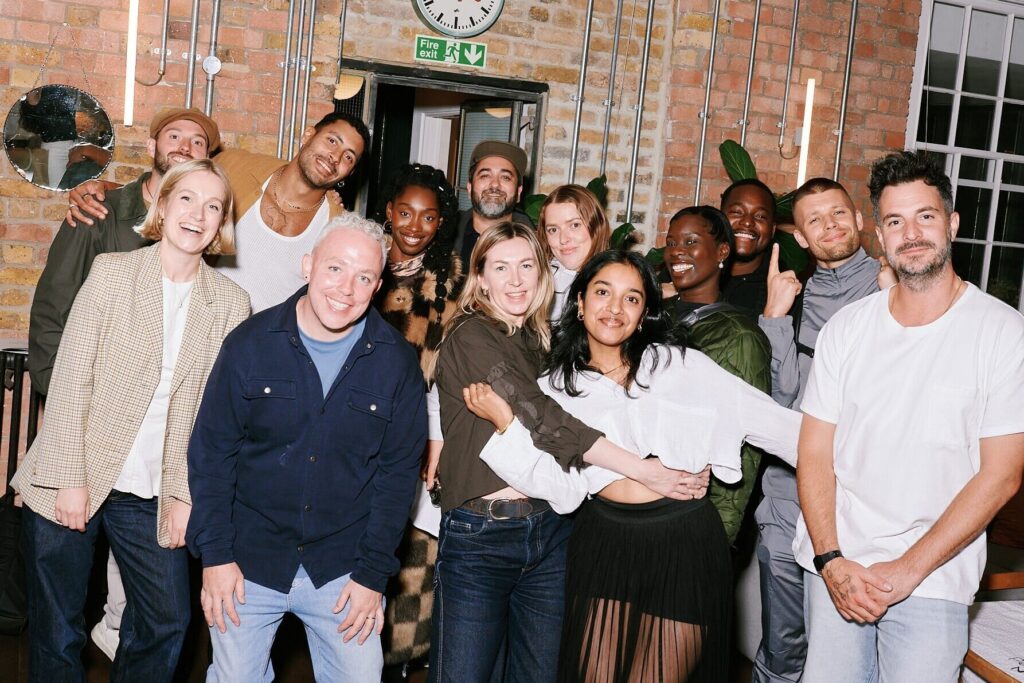
A global social experiment called Drop Dead Generous, which has already distributed half a million dollars to fund acts of kindness, is having a wide-reaching positive impact. The experiment gives 1,000 people $500 to spend on helping others in creative ways.
We all like to think we would help a relative or a friend in need, and some of us may even extend this kindness to a stranger. Perhaps by giving directions or lending a small amount of money. But how many of us would go as far as donating an organ to someone we will never meet?
This is exactly what social experiment participant Tom Cledwyn did in 2012. After donating his kidney, Cledwyn’s life was shaped by acts of generosity towards strangers. He was inspired by the story of Kay Mason, the first person in the UK to donate a kidney to a stranger.
“After reading about Kay Mason, I did not hesitate. It felt like a profound opportunity. The feeling I had when I woke up from the operation is something I want others to experience. It was an honor to be able to donate and I believe all forms of giving, whether it’s a smile, time or being there for someone in need, carry a similar weight. In my view, the experience of giving is the closest thing I’ve experienced to something that truly matters,” said Cledwyn.
Following the operation, Cledwyn set up a blog called The Free Help Guy, where he offered anonymous help to people who needed assistance with various tasks. He then moved on to work at tech company Meta, but after seven years he felt a strong pull towards scaling up the concept of generosity.
To achieve this, Cledwyn co-founded Drop Dead Generous with John Sweeney, backed by an anonymous philanthropist. The project has a $500,000 fund and at the time of reporting, 266 grants have been awarded across 21 countries.
Applicants are asked two simple questions: who needs help, and how would they use $500 to “blow their socks off”? The $500 grant is a fixed amount but the impact it can have varies greatly depending on the project and location. For instance, a recipient in London used their grant money to distribute 80 flowers while another in Uganda built a house.
“The experience of giving is the closest thing I’ve experienced to something that really matters. The money has to facilitate an idea. It can’t just be given away and it can’t be too similar to a previously funded project,” says Cledwyn. He shared several examples of how the fund has been used effectively. In Brazil, one grant is starting a book club in a prison where inmates can reduce their sentences by reading and writing about literature. In the UK, one project offered a chance for an undiscovered busker to record a professional demo.
“At a time when the opposite of generosity seems normalized, generosity should be framed as a superpower, not just a nice thing,” says Cledwyn. The social experiment is now moving towards decentralization, letting earlier recipients fund others in their own communities. The invitation is simple – submit an imaginative idea.
For more information, visit https://www.dropdeadgenerous.org/
Main image: Carys Huws