A leading rewilding project in England, known for its successful increase in bird populations, has shown a promising 900% rise in breeding birds over the past 20 years. This remarkable achievement showcases the potential of allowing nature the freedom to recover in dedicated spaces.
The rewilding site, originally an exhausted and polluted farmland, was described by Isabella Tree as “depleted, polluted, dysfunctional”. However, with the assistance of Tree and her husband, nature was allowed to recolonise and regenerate the area. The result is a thriving wildlife habitat, as documented in a 20-year ecological review of the Knepp rewilding estate in Sussex, England. Over the course of two decades, this 3,500-acre site has seen a ninefold increase in breeding birds.
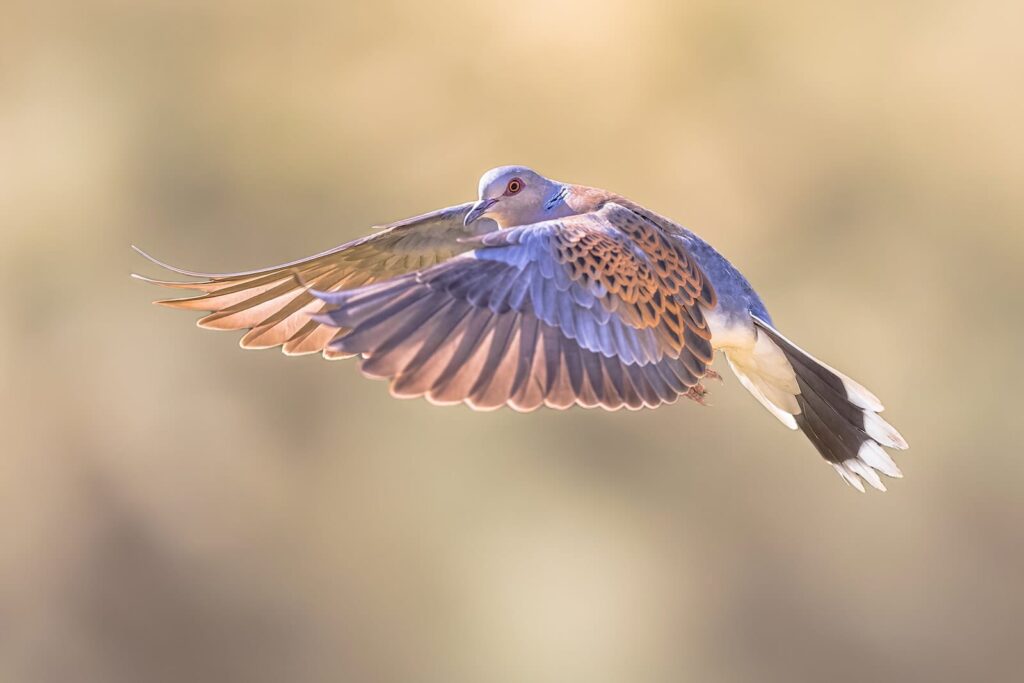
Critically endangered species like the turtle dove and the nightingale, which have seen alarming declines across much of the UK, have flourished in the rewilded land. These species have shown an increase of 600% and 511% respectively at the Knepp estate.
Fleur Dobner, an ecologist at Knepp, notes that the positive trend continues to rise each year. The ecological review indicates a significant recovery in wildlife populations, with butterfly numbers doubling in certain regions and the dragonfly and damselfly populations increasing by nearly 900%.
Isabella Tree and her husband, Charlie Burrell, facilitated this transformation by turning the unprofitable farm into a hotspot for biodiversity, as documented in Tree’s book, ‘Wilding’. They created a sanctuary for wildlife by removing fences and introducing free-roaming animals like English longhorn cattle, substituting extinct animals’ ecological roles.
“We have transitioned from a barren, polluted, dysfunctional farmland to one of the most remarkable biodiversity hotspots in the UK,” said Tree. The significant uplift in biodiversity demonstrates the potential life the land can support.
Tree argues that the success of the Knepp rewilding project can be replicated across the UK, one of the world’s most nature-depleted countries. She believes that the UK’s pledge to return 30% of land to nature by 2030 is not progressing as swiftly as it should. “Rewilding is a potent tool to restore nature. We should set higher goals for our nature reserves and rewilding initiatives,” she stated.