From Personal Experience to Professional Advocacy: Dr. Nathaniel Chin’s Journey with Alzheimer’s Disease
In 2012, Dr. Nathaniel Chin faced a turning point in his medical training when his father, Dr. Moe Chin, was diagnosed with Alzheimer’s disease. A family physician for 40 years in Watertown, Dr. Moe Chin retired the day after his diagnosis and passed away in 2018. This personal encounter with Alzheimer’s deeply influenced Dr. Nathaniel Chin’s career path.
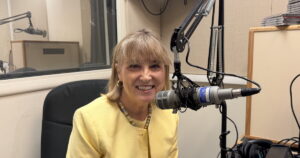
“He saw everyone in his clinic, from young kids to the elderly,” Dr. Nathaniel Chin shared on WPR’s “The Lee Rayburn Show.” “He was my introduction to health, wellness, and providing care for people.”
This exposure during his early medical training introduced him to the realities of brain diseases, shaping his understanding of living with such conditions. Dr. Chin is now an associate professor at the University of Wisconsin-Madison and directs medical services at both the Wisconsin Alzheimer’s Disease Research Center and the Wisconsin Registry for Alzheimer’s Prevention.
During his appearance on the show, Dr. Chin discussed his new book, “When Memory Fades: What to Expect at Every Stage, from Early Signs to Full Support for Alzheimer’s and Dementia.” He emphasized the importance of a proactive lifestyle to delay dementia and regular cognitive testing. Notably, he highlighted advancements in Alzheimer’s treatment that focus on amyloid proteins, which are enhancing the lives of those with dementia.
“For a long time, people thought dementia was just a normal part of aging,” Dr. Chin remarked. “It took a lot of time to recognize and be able to educate people that, no, there’s something else happening. And sometimes it’s actually modifiable or reversible, and therefore we should talk about it, address it, and then try to treat those causes.”
The Hesitation in Seeking a Diagnosis
Dr. Chin acknowledged the reluctance many feel in pursuing an Alzheimer’s or dementia diagnosis due to fear and confusion about the terms. “It is a very heavy thing to hear. Understandably, people are afraid,” he said. He stressed that early diagnosis is crucial, as interventions can help manage symptoms and aid families in providing support.
Getting Tested: The Path to Diagnosis
Dr. Chin explained that cognitive screening tests, lasting 10 to 20 minutes, can be conducted by medical professionals like nurses or social workers and are repeated annually or semi-annually. For more detailed assessments, a neuropsychologist may conduct extensive testing over several hours in specialized clinics. He anticipates future advancements in digital testing via smartphones, which could improve brain health monitoring.
Recognizing Early Signs and the Importance of Early Diagnosis
Dr. Chin noted that early signs of dementia include subtle changes in thinking, such as difficulty finding words, forgetting conversations, or misplacing important items. While these may reflect stress, they could also indicate early cognitive changes. Early detection is vital, as it allows for interventions and lifestyle changes to slow disease progression.
Prevention and the Role of Lifestyle Choices
While there is no definitive way to prevent dementia, Dr. Chin advocates for a healthy lifestyle, including exercise, managing blood pressure, cholesterol, and blood sugar, as well as prioritizing sleep and safety measures like wearing seatbelts and helmets.
Advancements in Testing and Treatment
Recent developments include a blood test that identifies Alzheimer’s-related proteins, available only to those diagnosed with mild cognitive impairment or dementia. Dr. Chin emphasizes that this test, while powerful, is part of broader efforts to manage and ultimately prevent the disease.
The Future of Alzheimer’s Research and Treatment
Dr. Chin encourages participation in clinical trials to advance Alzheimer’s research, drawing parallels with the progress made in HIV treatment. He envisions a future with multimodal therapies that address various aspects of Alzheimer’s, bringing hope for better care and prevention strategies.