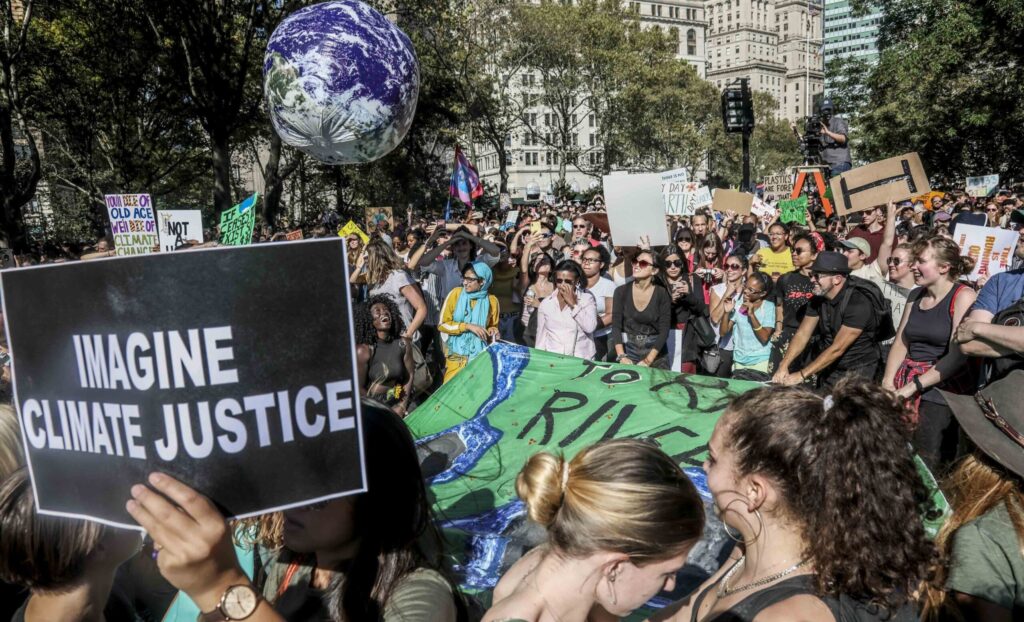
In the wake of a pivotal climate decision in Montana, a group of 15 young individuals in Wisconsin is taking legal action against state laws they argue exacerbate the climate crisis. This lawsuit, filed on behalf of youths aged 8 to 17, marks a significant effort to challenge the status quo in Wisconsin’s energy policies.
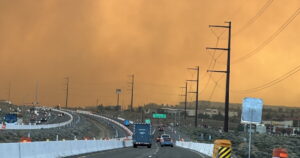
The case was initiated by attorneys from Our Children’s Trust and Midwest Environmental Advocates (MEA) against the Public Service Commission and the Wisconsin Legislature in Dane County Circuit Court. The young plaintiffs claim their health has suffered due to increased flooding, poor air quality from wildfire smoke, extreme heat, and the prevalence of Lyme disease—conditions they attribute to climate change. Among the plaintiffs is Kaarina Dunn, a 17-year-old from Onalaska, who experienced displacement after severe weather events damaged her family’s property.
“Kaarina used to live in Vernon County, but she was forced to move after two ‘100-year rain events’ in the past ten years caused flooding, landslides, and erosion that damaged Kaarina’s family’s property, and threatened her safety and home,” the complaint states.
These youths argue that state laws, which prevent utility regulators from considering pollution from new fossil fuel plants and set limits on renewable energy requirements, infringe upon their constitutional rights. Tony Wilkin Gibart, MEA’s executive director, noted the detrimental impact of these policies, stating, “We believe that (their constitutional rights are) being violated by the state continuing to pump greenhouse gas emissions into the atmosphere and drive the climate crisis in ways that are harming our clients and profoundly disrupting their ways of life and jeopardizing the stability of their future.”
Currently, coal and natural gas account for 75 percent of electricity production in Wisconsin, while renewable energy sources contribute around 17 percent. Projections indicate that wind and solar power could supply 26 percent of the state’s electricity by 2030. Despite these advancements, a state report has identified a need for further action to achieve Governor Tony Evers’ goal of 100 percent carbon-free electricity by 2050.
Against the backdrop of rising energy demands, spurred partly by data center growth, Wisconsin utilities have postponed the closure of coal plants. Environmental groups argue that state policies should pivot towards prioritizing renewable energy, emphasizing that wind and solar technologies are both technically viable and economically sensible to meet increasing energy needs.
The lawsuit echoes a historic ruling in Montana, where young plaintiffs successfully contested state policies favoring fossil fuels. Nate Bellinger from Our Children’s Trust expressed optimism about the potential outcome, suggesting that a favorable ruling could deter future fossil fuel projects in Wisconsin. “The bottom line is we expect (once) these laws are off the books, it’ll really push Wisconsin firmly in the direction towards complete decarbonization of its electricity sector,” Bellinger said.
Scientific studies reveal that Wisconsin has become warmer and wetter since 1950, with notable increases in temperature and precipitation. Indigenous youth in Milwaukee highlight the threat climate change poses to cultural heritage, as fluctuating lake levels and warming waters impact wild rice beds and cold-water fish like walleye.
Wilkin Gibart emphasized the tangible effects of climate change in Wisconsin, pointing to flooding events and an increase in days plagued by wildfire smoke. Despite these challenges, new fossil fuel facilities continue to receive approval in places like Oak Creek and Paris, contributing to a $2 billion investment in natural gas infrastructure.
The plaintiffs are urging the court to invalidate laws restricting the consideration of climate impacts and capping renewable energy standards. They argue these laws breach constitutional rights and assert that the Public Service Commission and Legislature have a duty under the state’s Public Trust Doctrine to safeguard access to navigable waters.
The lawsuit is expected to face resistance from the Republican-controlled Legislature, which is also named in the suit. Wisconsin Assembly Speaker Robin Vos has previously questioned the reality of climate change, while Senate Majority Leader Devin LeMahieu has criticized climate legislation as an extension of the “Green New Deal” amid economic concerns.
Wisconsin Democrats have repeatedly introduced bills aimed at enhancing climate action and promoting clean energy. However, these efforts have been dismissed by some as catering to a liberal agenda. Republican lawmakers have also proposed bills to block mandates aimed at reducing dependence on gas-powered vehicles and appliances, which were vetoed by Governor Evers due to their potential to hinder climate change mitigation.