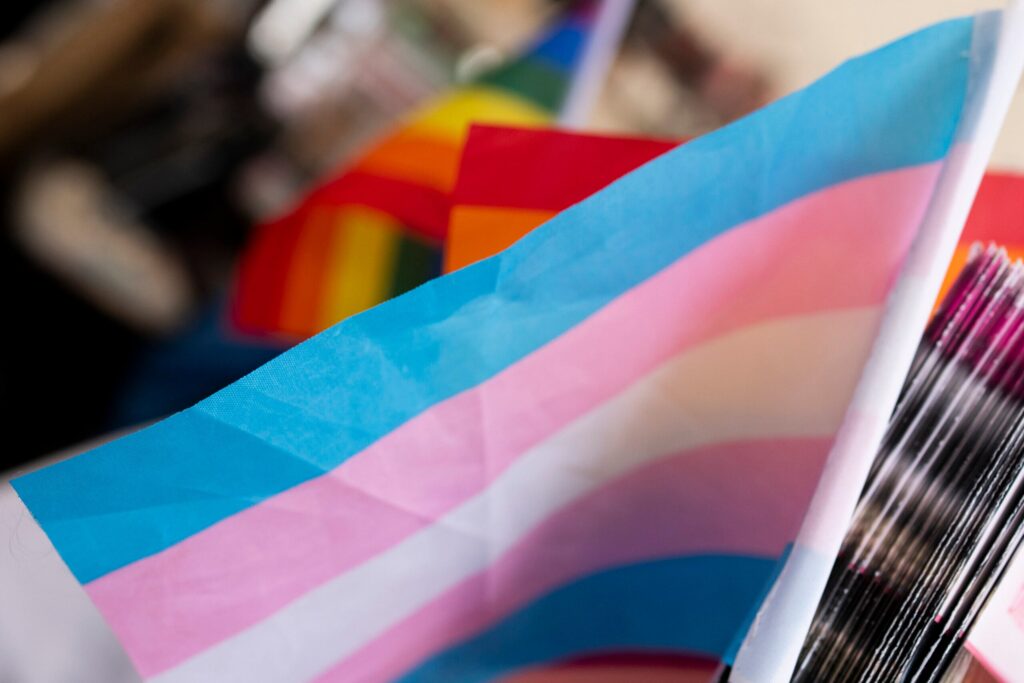
In a deeply divided session at the Wisconsin state Capitol, lawmakers listened to extensive testimony on Wednesday regarding three contentious bills aimed at restricting transgender students’ involvement in school sports and limiting minors’ access to gender-affirming health care.
The Senate’s labor committee was the stage for intense discussions as conservative groups presented arguments in favor of the medical bill as a measure to protect children from making irreversible health decisions, while the sports bills were seen as essential to preserving fair competition for girls. However, opponents warned that the proposed legislation could negatively impact the mental health of transgender youth and that the sports restrictions target an issue that is relatively uncommon.
The sports bills propose that public K-12 schools and state universities and colleges should enforce team participation based on the sex listed on students’ birth certificates. Specifically, they would ban individuals born male from participating in female sports teams and using female locker rooms.
Proponents of the bills argue that clear distinctions in sports teams ensure that girls and women can achieve success independently and benefit from opportunities such as college scholarships. Keeley Knobloch, a former college runner, emphasized, “I was given the chance to grow through sports because women had their own protected category. That protection mattered. It made competition fair and it made success meaningful.”
Critics, however, caution about the logistical difficulties of verifying a child’s birth gender, particularly with altered birth certificates, and warn against the potential for invasive scrutiny of minors. “Are educators and coaches then forced to ask invasive questions and conduct physical exams? Which students will be checked — maybe those who not do not look like or dress like other athletes?” questioned Sen. Melissa Ratcliff, D-Cottage Grove, chair of the Legislature’s Transgender Parent and Non-Binary Advocacy Caucus. She further argued that the bills serve as a political tool rather than a serious legislative solution.
The proposed gender-affirming health care bill seeks to prohibit certain medical treatments, such as hormone therapy and puberty blockers, for minors, with medical providers facing the loss of their license if they administer these treatments to align a minor’s body with a gender different from their biological sex. Coauthor Rep. Scott Allen, R-Waukesha, contended, “This bill isn’t about judgment or exclusion. It’s about protection and care. Kids with their still-developing hearts and minds can’t fully grasp what they’re agreeing to.”
Transgender rights advocates argue that medical decisions should remain in the hands of parents and doctors. Abigail Swetz, executive director of Fair Wisconsin, stated, “Trans kids know who they are. Their medical providers know what they need. Their families just want to meet their needs. Stop inserting politicians into their lifesaving health care. No one needs that. Injecting politics into health care forces trans kids to fight to just exist when other kids do not have to do that.”
Gender issues have been a national political wedge issue
Should these bills, which have already passed the Assembly, be approved by the Senate, they are likely to be vetoed by Gov. Tony Evers. He has consistently vowed to reject any measures he views as detrimental to LGBTQ residents in Wisconsin. Gov. Evers has previously vetoed similar sports restrictions and a ban on gender-affirming care, as well as a proposal to block Medicaid coverage for such care.
These legislative efforts are emblematic of broader national debates, as gender issues have been a focal point of former President Donald Trump’s cultural policies. This has led some Democrats to reconsider their stance on transgender rights ahead of upcoming elections. Early in his presidency, Trump enacted executive orders restricting minors’ access to gender-affirming care and withholding funds from institutions that do not bar males from participating in female sports.
Additionally, the Trump administration recently unveiled plans to cut Medicaid and Medicare funding for hospitals offering gender-affirming care to minors, prompting institutions like UW Health and Children’s Wisconsin to cease these services earlier this week.
Meanwhile, the US Supreme Court appears poised to support state bans on transgender students participating in sports that do not align with their birth sex. Such a decision could significantly impact states like Wisconsin, which currently lack their own prohibitions.