U.S. Ends Temporary Protected Status for Haitians and Syrians, Impact Felt in Wisconsin
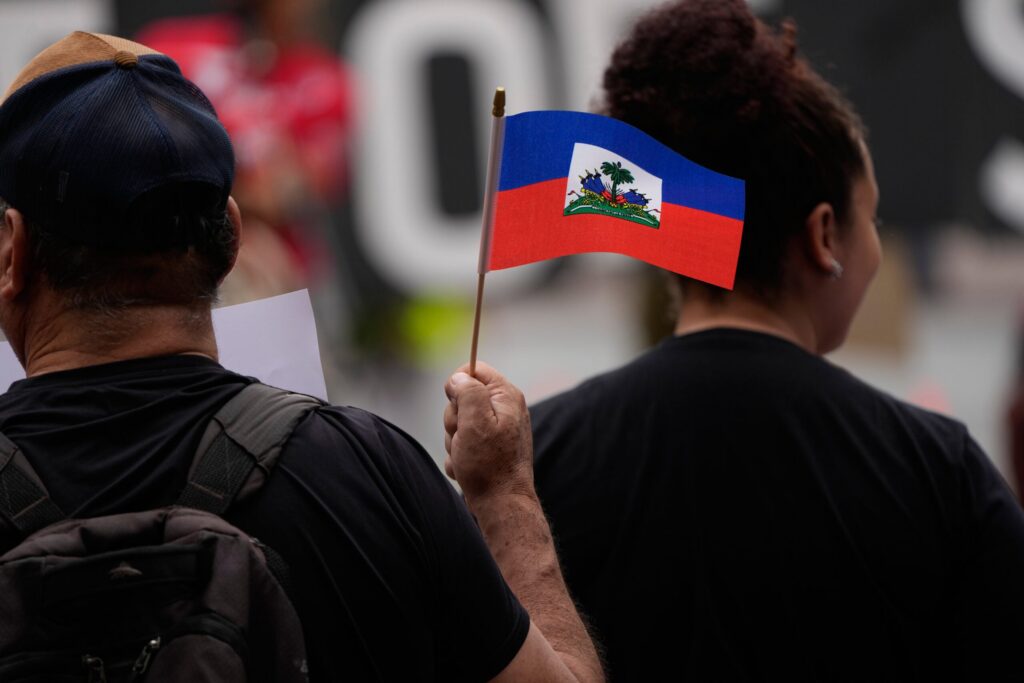
In a significant shift affecting Haitian and Syrian communities across the United States, the Trump Administration has decided to terminate Temporary Protected Status (TPS), a critical lifeline for many. This move ends protections that have allowed individuals from these countries to reside and work in the U.S., following the Supreme Court’s recent ruling.
TPS is a designation given to nationals from countries experiencing conflict, natural disasters, or other extraordinary conditions, making it unsafe for them to return. This status, originally granted to Haitians after the catastrophic 2010 earthquake, has been extended multiple times due to ongoing instability and violence in Haiti.
Although the Supreme Court has upheld the administration’s decision, some district courts, such as those in Wisconsin, have yet to take action on this ruling. According to data from 2024, Wisconsin is home to between 400 and 700 Haitian immigrants, many of whom are now facing uncertainty.
The Department of Homeland Security reiterated that TPS was never meant to be a permanent solution. “For too long, TPS has been allowed to function as a de facto amnesty program despite Congress never intending it to be permanent,” stated a DHS spokesperson. They also highlighted an offer for financial assistance and a free flight back to Haiti for those affected.
Local Communities Brace for Change
In New London, immigration attorney Marc Christopher is working with Haitian clients worried about returning to a still-dangerous Haiti. “Every objective measure about Haiti indicates that the conditions have worsened,” he told WPR’s “Wisconsin Today.” He further noted that without improvements in Haiti, returning could be perilous.
Maxo Maceno, pastor at Living Water Church in Appleton, echoed these concerns, sharing that many of his congregants have fled from violence and instability. “I have people who feel that they got stuck here,” Maceno said, adding that returning to Haiti could be life-threatening for some.
Legal Options for Affected Haitians
For Haitians whose TPS has been revoked, the options to remain in the U.S. are limited. Having a close relative who is a U.S. citizen can help, but otherwise, applying for asylum is one of the few viable paths. However, the asylum process requires proof of individual targeting due to race, religion, nationality, or political views.
Christopher explained the challenges: “It’s hard to show why they would be individualized or set aside for targeting by these groups.” Both Christopher and Maceno note that many in their communities are seeking asylum while also planning for the future of their U.S.-born children.
Impact on Local Businesses and Communities
The end of TPS could also have economic impacts. Christopher noted that businesses, including the Tyson plant in New London, might face workforce shortages. “Imagine just out of the blue having a significant portion of your employment force being taken away,” he said.
Haitian immigrants have become integral to small communities in Wisconsin, contributing both socially and economically. Community volunteers are stepping up to provide support, but Christopher remarked that “people are mostly on their own” in navigating this challenging transition.