The Scranton School District is responding to a rising need for autistic support by significantly expanding its facilities and services. With 18 new classrooms added over the past two years, the district anticipates the need for an additional eight to 12 classrooms next year. This effort includes plans for a new center catering specifically to kindergarten through second-grade students diagnosed with autism.
As Superintendent Erin Keating put it, “These are our kids, and we need to meet their needs,” highlighting the district’s commitment to supporting its students. The new center’s development coincides with National Autism Acceptance Month, reflecting a broader trend as schools, agencies, and employers address increasing autism diagnoses.
Understanding Autism’s Prevalence
Autism spectrum disorder (ASD) is a neurological and developmental condition affecting interaction, communication, learning, and behavior, according to the National Institute of Mental Health. Symptoms can vary widely, affecting social, communication, intellectual, and physical aspects.
CDC data reveals that as of 2022, 1 in 31 children are diagnosed with ASD by age 8, a dramatic increase from 1 in 150 in 2000. The CDC attributes this rise to expanded diagnostic criteria, increased screening, and greater awareness. The Pennsylvania Autism Surveillance Project reported that in 2022, 1 in 21 children, or 4.7%, were identified with autism, with higher rates among Black children compared to white children.
Scranton’s Strategy for Inclusion
In Scranton, about 25% of students now receive special education services, up from 20% a decade ago. Of these, 16% have an autism diagnosis. Statewide, more than 52,000 public school students have autism. Federal laws mandate that schools provide necessary services, including speech, physical therapy, and behavioral support, tailored to each student’s needs.
The district currently operates 47 autistic support classrooms, with plans for more at the new center. This expansion is essential to accommodate rising enrollment, currently at 9,400 students, surpassing earlier projections. Renovations at the newly acquired Friendship House building aim to create additional classroom space, with an expected cost of $6 million.
A Holistic Approach to Autism Support
Ruby Moye Salazar, a clinical social worker, emphasizes the importance of family support, noting that children thrive when they feel loved and understood. She encourages parents to foster their child’s autonomy from an early age, promoting self-regulation skills.
Salazar has seen significant advances in autism research and treatment, aiming to help families understand that a diagnosis doesn’t change the essence of their child. “It’s the same child, right?” she said.
Community Initiatives and Autism Employment
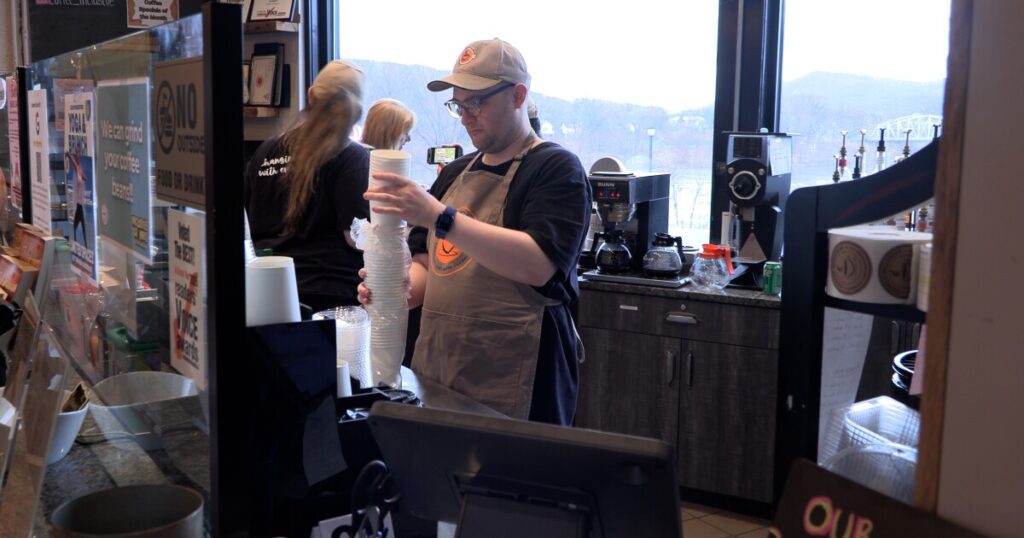
PA Inclusive’s Coffee Inclusive in Pittston exemplifies inclusive employment, offering opportunities for individuals with intellectual and developmental disabilities. According to Anthony Melf, director of operations, the goal is to create more inclusive work environments where individuals with autism and Down syndrome can thrive.
Frank Bartoli, CEO of PA Inclusive, draws from personal experience to advocate for greater opportunities. The coffee shop employs over 20 staff members, including DJ Jones and Christina Wesley, who value the supportive and educational environment.
Local businesses are encouraged to adopt similar inclusive models, promoting independence and community contribution for individuals with autism.
Programs and Support Networks
The Autism Society of Northeastern Pennsylvania offers a virtual hub for resources and support, with various group offerings. Additionally, partnerships like the one between Misericordia’s Cougars for Autism Awareness Club and Dallas Twp. police department help build safer community interactions through initiatives like the blue envelope program for drivers with autism.
Celebrating Autism Acceptance Month, organizations focus on inclusivity, understanding, and community support to ensure that individuals with autism have the tools and opportunities to succeed.