In a quiet neighborhood of West Scranton, the life of Aida Tenezaca took an unexpected turn. Just one day before a promising job interview at Geisinger Community Medical Center, her husband, Virgilio Lema, was apprehended by immigration authorities, leaving her to navigate an uncertain future.
On the Eve of Change
The night before the life-altering event, Tenezaca, a warehouse worker, voiced her apprehensions about her upcoming interview for the position of patient intake clerk. Her husband, Lema, offered words of comfort, encouraging her to remain calm and assuring her of success. The couple, along with their two young daughters, Victoria and Ana, fell asleep on their couch, unaware of what the morning would bring.
As dawn broke, Tenezaca was awakened by the sound of Lema preparing for work. He bid farewell to his family with a kiss, promising to catch up later. Shortly after he left, an unexpected phone call from Lema shattered the morning calm, delivering the news that he had been detained by immigration agents.
Immigration’s Grip Tightens
Lema, who had been residing in the U.S. illegally since entering Texas at 15, became an inadvertent victim of the intensified immigration policies under the Trump administration. Despite maintaining a clean record and building a life in Scranton, Lema found himself facing deportation, a scenario he and Tenezaca had feared but never fully expected.
The couple’s story, echoed across countless American households, underscores the human impact of stringent immigration enforcement.
Building a Future on Love
Tenezaca and Lema’s relationship, rooted in familial connections, blossomed into a partnership that led to marriage and children. They met through mutual acquaintances, reconnected online, and eventually settled in Scranton. Tenezaca prioritized her family over higher education, a decision supported by Lema, who valued the importance of family.
Learning of Lema’s immigration status was a later revelation for Tenezaca. Lema, unfamiliar with the legal implications, had missed a crucial court hearing after entering the country in 2016, setting the stage for his eventual deportation.
Holding On Through Memories
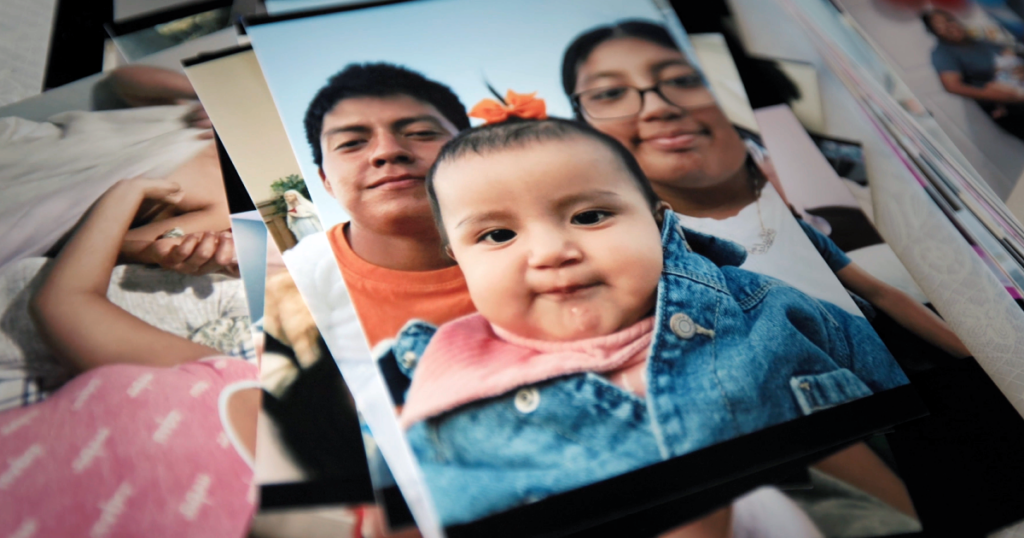
In the aftermath of Lema’s deportation, Tenezaca clings to the memories captured in photographs. These images, printed as evidence for an I-130 application, serve as tangible proof of their life together and their bond. The application aims to bring Lema back to the U.S. as a lawful resident, a process that could take years.
Facing Reality
While Tenezaca awaits progress on the application, she remains in Scranton, balancing work and parenting. The interview for the Geisinger position never happened, but Tenezaca’s resolve remains unshaken. She continues to communicate with Lema, sharing milestones he misses, such as their daughter Ana’s first steps.
The emotional toll of separation weighs heavily, yet Tenezaca remains hopeful for a future where her family can reunite. “I know he didn’t come the legal way, but still it’s the most inhumane way to do this, to separate families,” she expresses, highlighting the personal cost of immigration policies.