Remittance Trends Amid Immigration Uncertainty: A Closer Look
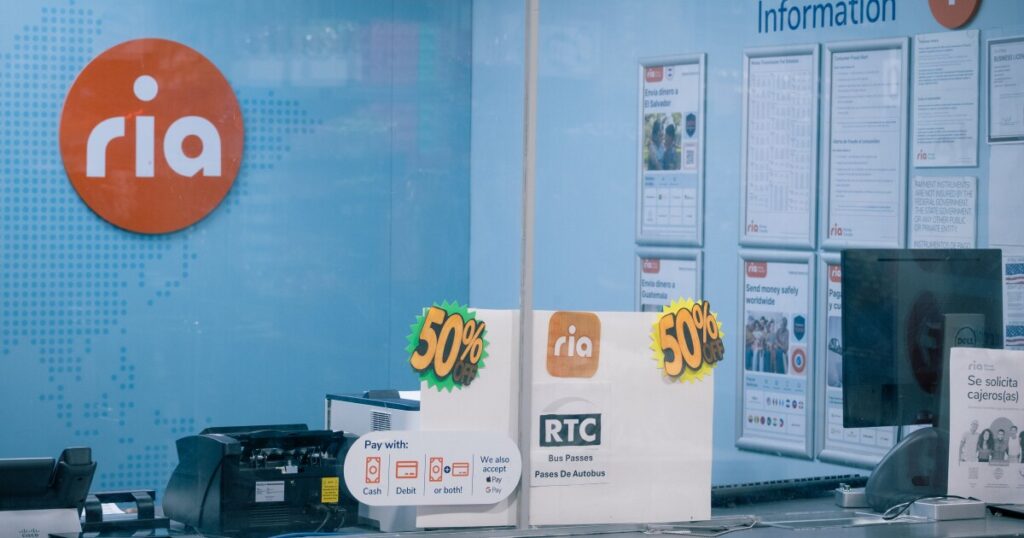
At El Super, a Mexican grocery store chain, customers frequently queue up at the financial center, a hub where payments, check cashing, and crucially, international money transfers occur. This is a lifeline for many, including Susana, who sends funds back to her hometown in Michoacan, Mexico, every two weeks. Like millions of other migrants, she supports her family by transferring money from the United States.
“Estoy arreglando un local que tengo [en México]”, Susana said, “y pues pago mi seguro de vida, porque tengo un seguro de vida allá…” (“I’m fixing up a property that I have [in Mexico] and I’m also paying for my life insurance that I have over there…”) Her story reflects a growing trend; more Latin American migrants are sending increased remittances despite a decline in migration rates. This is particularly notable as remittances have surged by at least 20% in many Latin American countries, excluding Mexico.
A study by the Inter-American Dialogue revealed that fear of deportation and job loss are primary reasons for this upturn. Manuel Orozco, who leads the migration, remittances, and development program at the organization, explained, “They basically took […] a sort of preemptive approach to mitigate the potential loss of sending money in the future by sending a little bit more today.”
With policies such as the termination of humanitarian parole and temporary protected status, migrants face increased vulnerability. This has led to a marked increase in remittances, especially to countries like Nicaragua, where transfers rose by 22% alongside a 52% increase in deportations following the termination of their Temporary Protected Status.
“If they get deported, they rather send as much as they can now so that the relatives can be covered, considering that once they are deported, they won’t be able to continue to send the money,” Orozco added.
Global remittances reached a record $818 billion in 2023, serving as crucial economic support for many nations, particularly in Central America where they account for over 20% of GDP. However, a new 1% tax on remittances starting January 1st may impact these transactions, although similar attempts in the past, such as Oklahoma’s remittance fee, often led to informal methods of money transfer.
Paul Vaaler, a University of Minnesota professor, noted, “We have many instances in the U.S. that we can look to as examples. Certain states have tried to tax remittance transactions, …they just go underground again.” Vaaler predicted that this tax might not significantly affect revenue or the total remittance flow, as migrants are likely to find alternative ways to send money home.
Despite these challenges, individuals like Susana remain committed to their families. “Yo vine con un propósito acá,” Susana said. “No pienso tampoco quedarme en vivir aquí.” (I came here with one purpose. I’m not considering staying here to live.”)
Susana intends to continue working in the U.S. to support her family, even if it means personal sacrifices. “Hasta vendiendo dulces afuera de una marketa lo hecho aquí y no me da pena decirlo.” (“I’ve even sold candies outside of markets here and I’m not embarrassed to admit it.”) She emphasized, “Yo lo vi como una oportunidad nada más para ayudar más a mi familia, pero únicamente eso y me regreso.” (“I saw this as an opportunity to help my family, but just that and I’ll go back.”)