Groundbreaking Gene Therapy Heralds Major Breakthrough in Blood Cancer Treatment
An unprecedented gene therapy that transforms white blood cells into a potent, disease-fighting “living drug” has successfully reversed formerly incurable blood cancers. This revolutionary finding is a result of a research study funded by Blood Cancer UK.
At Great Ormond Street Hospital (GOSH) and King’s College Hospital in London, nine children and two adults battling T-cell leukaemia underwent this innovative treatment. The majority of these patients experienced a “deep remission” as a result of the therapy, with seven of them remaining disease-free three years later.
This groundbreaking technique was developed by GOSH in collaboration with University College London (UCL). The process involves manipulating the genetic code of donor T-cells to target and attack cancer cells without triggering a rejection from the patient’s body. This enhanced version of the CRISPR technology, known as base-editing, marks a significant advancement in gene therapy.
Reflecting on the breakthrough, UCL’s Prof Waseem Qasim expressed his amazement. “We can now alter a single letter of DNA code in healthy donor white blood cells and reintroduce them into patients to combat hard-to-treat leukaemia. Such a thing would have been considered science fiction just a few years ago.”
In a significant milestone in 2022, 13-year-old Alyssa Tapley from Leicestershire became the world’s first recipient of the BE-CAR7 treatment. Despite not responding to conventional therapies, such as chemotherapy or a first bone marrow transplant, this intervention provided an alternative when her family had been considering palliative care options.
Study investigator and bone marrow transplant consultant at GOSH, Dr Rob Chiesa, outlined the potential of this research. “Around 20% of children with T-cell leukaemia may not respond well to standard treatments. These patients urgently need better options. This research brings hope for improved prognosis for those diagnosed with this rare but aggressive form of blood cancer.”
Alyssa, now 16 and cancer-free, reflected upon her journey. “I’ve been able to do things I thought would be impossible earlier in my life. I aspire to become a research scientist and contribute to the next significant discovery that can help people like me.”
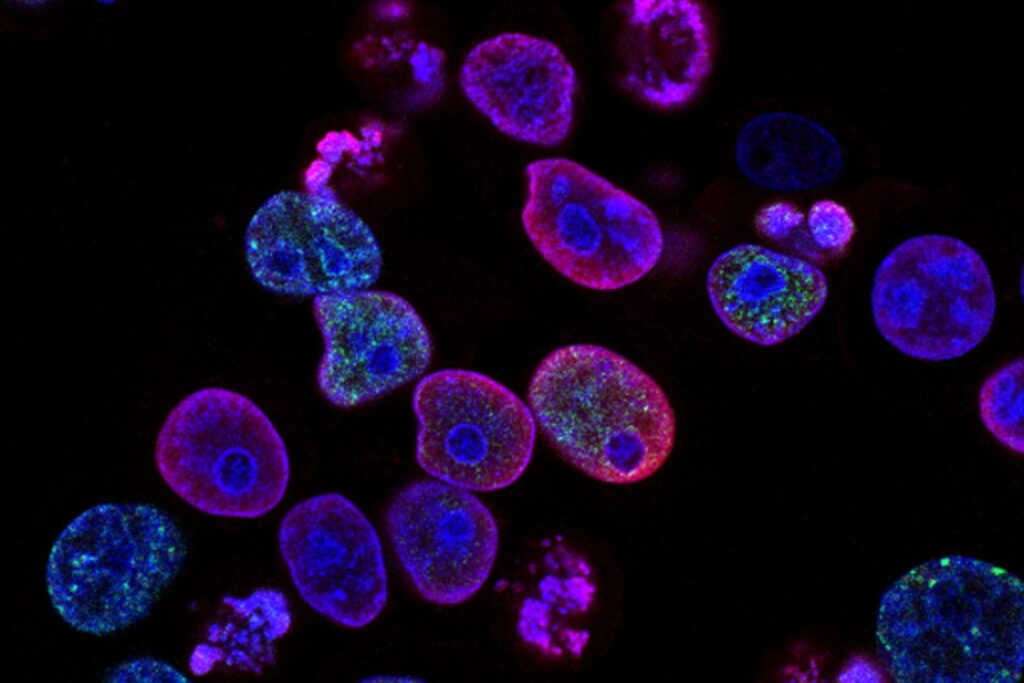
Featured image courtesy of National Cancer Institute