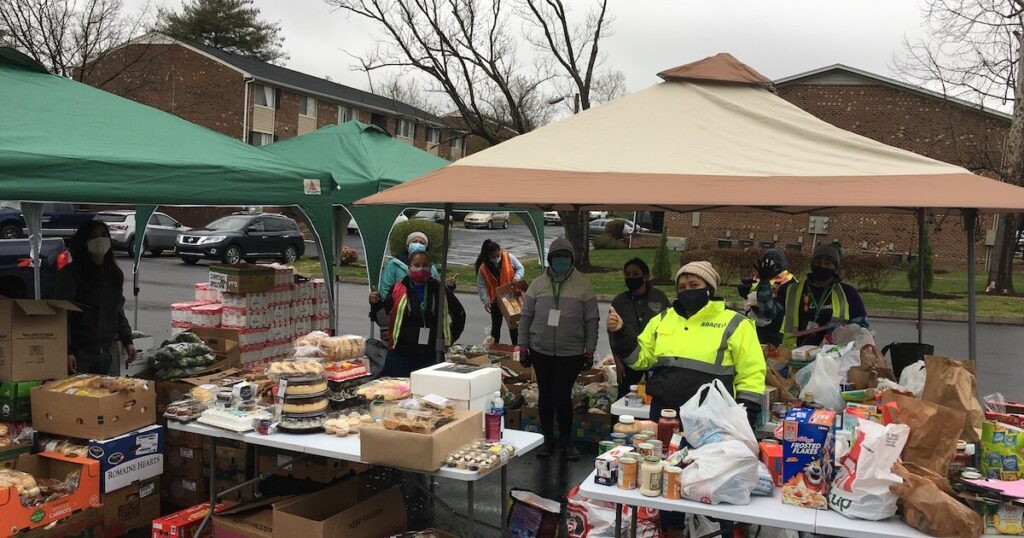
As North Carolina food banks prepare for increased demand, the looming suspension of federal nutrition programs poses a significant challenge. The halt in SNAP benefits, effective this Friday, is expected to impact roughly 1.4 million state residents who rely on this assistance monthly.
The shutdown of the federal government has directly led to the suspension of November’s SNAP benefits, according to the North Carolina Department of Health and Human Services (NCDHHS). This development has prompted state warnings to SNAP beneficiaries about the delay in their monthly aid.
Children represent a significant portion of those affected, with over 580,000 relying on SNAP. Additionally, more than 80% of SNAP recipients are employed, highlighting the program’s importance in supplementing working families’ food budgets.
Food banks, aware of their limited capacity to cover the gap left by SNAP, are strategizing to mitigate this shortfall. “For every nine meals provided through SNAP, food banks provide one,” explained Liz Reasoner, the CEO of Food Bank of the Albemarle. “We’re trying to approach this from a disaster mitigation strategy.”
The financial strain on food banks has been exacerbated by the cancellation of a federal program that aided in purchasing locally grown produce. Historically, state funds have supported these banks, but recent budget adjustments have excluded them.
To combat these challenges, the Food Bank of the Albemarle has invested in local agricultural efforts, supporting farms to grow vegetables and alleviate some of the impending shortages. “One way we can mitigate some of the loss is by investing in intentional planting programs,” Reasoner stated.
Federal Benefits for Baby Formula Also at Risk
In addition to SNAP, federal support for baby formula through the Women, Infants, and Children (WIC) program is also under threat. N.C. Representative Monika Johnson-Hostler has been actively informing the public about the potential loss of this crucial aid for infants and mothers.
Although WIC benefits will last slightly longer than SNAP, NCDHHS anticipates they will only be available until early November, with Wake County projecting benefits distribution through November 15. Over 262,000 individuals, including infants and young children in North Carolina, rely on WIC assistance.
To counter the effects of the potential shortage, Wake County advises mothers to increase breastfeeding where possible. Pediatricians might provide temporary formula supplies, and WIC will collaborate with hospitals or manufacturers for direct formula deliveries in special circumstances.
Political Tensions Rise Amid Shutdown
Political disagreements have further complicated the situation, with Democratic Governor Josh Stein urging the USDA to utilize federal contingency funds to maintain SNAP benefits post-November 1. However, according to a New York Times report, the USDA has declined to allocate these funds.
As Thanksgiving nears, Stein criticized the federal administration’s decision, stating it represents a “cruel abdication of the responsibility to support families and communities.”
Republicans and the Trump administration have attributed the shutdown to Democrats, who have largely opposed short-term budget proposals to push for the extension of Affordable Care Act marketplace tax credits. U.S. House Speaker Mike Johnson has defended USDA’s decision not to utilize the contingency fund.
“`