
Concerns Over Services for Deaf and Hard of Hearing Students in Nebraska
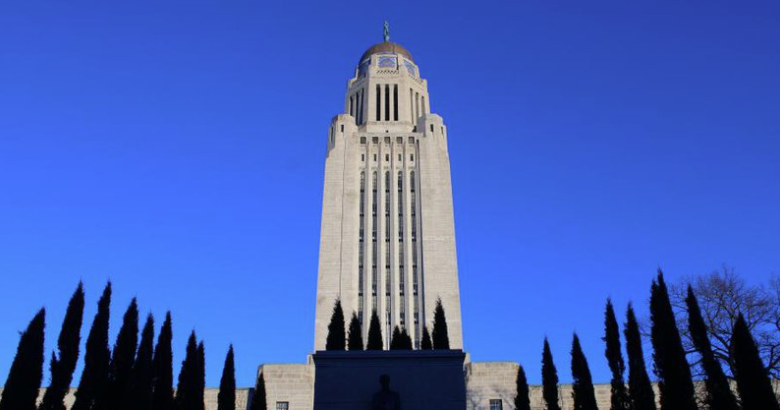
At a Nebraska Capitol hearing, members of the deaf and hard of hearing community voiced their concerns about the persistent lack of adequate services for students nearly 30 years after the Nebraska School for the Deaf closed its doors. Despite attempts to provide alternative solutions, many believe these efforts fall short of meeting students’ needs.
State Senator Danielle Conrad spearheaded an interim study for the education committee to better understand the challenges faced by students who are deaf and hard of hearing. Inspired by a concerned parent, Conrad aims to ensure equal access to education. She stated, “Our hope for our hearing today is that we identify what’s happening in Nebraska schools in regards to ensuring equal access to education for students that are deaf and hard of hearing.”
Adam Wiblishouser, a Nebraska parent, shared his experiences with the committee. His son, currently a fourth grader at the Iowa School for the Deaf, initially faced challenges within the Elkhorn school district. Wiblishouser explained, “What it’s boiling down to is the school districts are messing with the PWNs (Prior Written Notices), they’re messing with the IEPs (Individualized Education Plans), and they’re messing with the language that they’re using in the PWNs and IEPs to deny services.”
Wiblishouser’s journey began when his son was sent to Ralston for kindergarten. Upon discovering the Iowa School for the Deaf, he faced resistance from Elkhorn, which would be responsible for part of the costs if his son attended there.
According to Elizabeth Eynon-Kokrda, general counsel with Education Rights Counsel, there is a significant shortage of educational sign language interpreters in Nebraska. “Our schools are left competing for a small pool of interpreters, and yet schools are still offering low compensation that does little to attract people to work for them,” she noted.
She highlighted that educational interpreters do not face the same licensing standards as independent interpreters, which complicates the situation further. “In one case I’m familiar with, the school official said they couldn’t find an interpreter in ASL (American sign language). The family finds five independent interpreters willing to contract with that district,” Eynon-Kokrda said, emphasizing that students bear the consequences of these gaps.
To address these issues, Eynon-Kokrda proposed several measures, including the creation of a statewide roster for interpreter availability, improved recognition and compensation for educational interpreters, and the requirement for schools to document their hiring efforts.
Nebraska’s lack of a dedicated school for deaf and hard of hearing students has been a point of contention since the closure of its last such institution in 1998. Linsay Darnall Jr. fondly remembered advocating to keep the school open, only to see it replaced by regional programs that fall short of expectations.
“The Nebraska Regional Program is hosting events for the deaf and hard of hearing children to get together and to socialize maybe six times a year,” Darnall said through an interpreter, emphasizing the inadequacy of these efforts.
Many Nebraska families opt to send their children to the Iowa School for the Deaf, but financial support from Nebraska is limited. Darnall explained, “From what my understanding is now, the state does pay for tuition. They will not pay for dorms. They will not pay for transportation.”
Senator Conrad also addressed potential cuts to education services for deaf and hard of hearing students, as reported by Nebraska Public Media News earlier this month. Darnall expressed concern about the impact of such cuts on children’s development, stating, “My biggest fear is that if we start these cuts on the children’s education now, that is going to delay their language access, that is going to delay their learning abilities.”
Daniel Pfaff, another concerned parent, shared his worries about his eight-week-old deaf child’s future education in Nebraska. Highlighting the importance of a rich language environment, Pfaff said, “But at school, what access do they have? A lot of the interpreters are not qualified.”
Many testifiers, including Pfaff, advocated for the establishment of a Nebraska-based school for the deaf, hoping for a brighter future for the state’s deaf and hard of hearing students.


