This story was originally published by NC Health News.
As thousands of North Carolina residents depend on Medicaid to access essential healthcare services, recent cuts to reimbursement rates have sparked concern among beneficiaries and advocates alike. Jon D’Angelo, who chairs the North Carolina Council on Disabilities, is directly affected by these changes. Living with spinal muscular atrophy, he relies on Medicaid to fund his in-home care, a lifeline that may now be at risk.
The decision by the N.C. Department of Health and Human Services to reduce Medicaid reimbursement rates on October 1 has had immediate repercussions. D’Angelo’s caregivers have already experienced a significant pay cut, losing $345 in just three weeks. “That’s a car payment, that’s a piece of rent, that’s health insurance,” D’Angelo stressed, highlighting the financial strain these cuts impose.
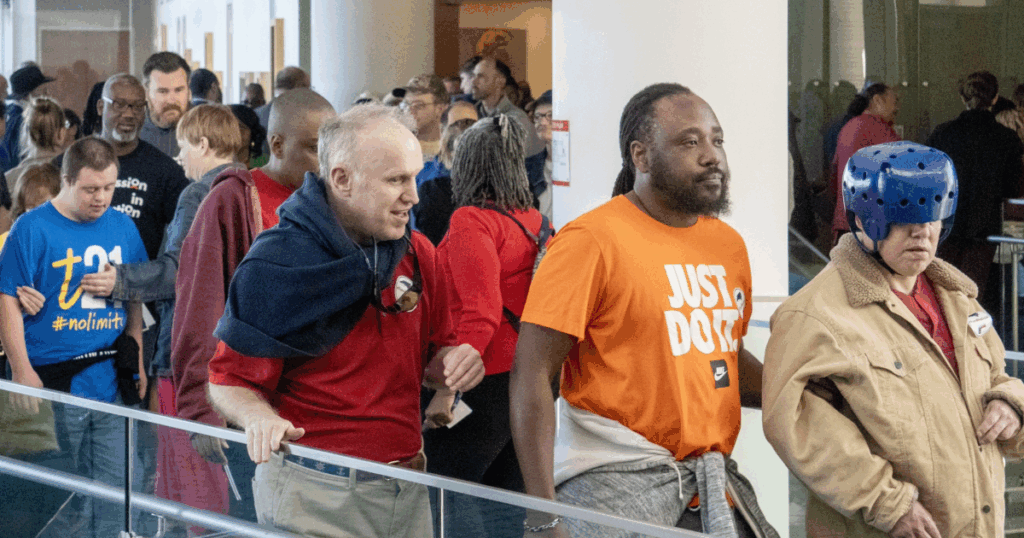
On Tuesday, more than 200 individuals, including people with disabilities, advocates, and support personnel, gathered in Raleigh to urge lawmakers to reverse the funding cuts. The cuts are a result of a political deadlock between the Republican-led General Assembly and Democratic Governor Josh Stein over the annual Medicaid “rebase,” which adjusts funding based on enrollment and care costs.
Impact on Substance Use Disorder Services
Morgan Coyner, from Addiction Professionals of North Carolina, emphasized the detrimental effect of the cuts on substance use disorder services. With personal ties to the issue—her mother passed away from a fentanyl overdose—Coyner warned that limiting these services could lead to an increase in overdoses. “These cuts are going to force providers to lay off staff to eliminate services,” she said.
Johnnie Thomas, who once experienced homelessness and now thrives with the help of Medicaid, is a testament to the program’s impact. He shared his story in Raleigh, crediting Medicaid and supportive peers with his recovery and stabilization.
Advocates Meet Lawmakers
Advocacy efforts continued as representatives from various organizations met with lawmakers, sharing personal stories of Medicaid’s importance. Amy Miller of OE Enterprises brought clients to speak with Rep. Renée Price (D-Hillsborough), who acknowledged the crucial role Medicaid plays for many North Carolinians.
The cuts, ranging from 3 to 10 percent, have affected most Medicaid providers, including nursing homes and hospitals. Price expressed hope that her colleagues would act to restore funding, stating, “It is a vital program, and we need to completely fund it.”
Political Stalemate and Future Prospects
The Medicaid funding issue remains tangled in wider legislative priorities. While the state Senate and House agreed to allocate an additional $174 million, this falls short of the department’s initial request. Senate leader Phil Berger (R-Eden) linked Medicaid funding to the approval of funds for a new state children’s hospital, a proposal not universally supported.
In response to the impasse, Rep. Tim Reeder (R-Greenville) urged his colleagues to separate Medicaid issues from other legislative concerns. As the debate continues, a proposed solution involves utilizing a Medicaid reserve fund to cover any financial shortfall. However, the feasibility of this solution remains uncertain as it requires legislative approval.
The situation in North Carolina underscores the critical need to resolve political differences to ensure continued access to essential healthcare services for those who need them most. While the House passed an amended bill to address the funding gap, the Senate will need to reconvene to advance any resolution.
North Carolina Health News is an independent, non-partisan, not-for-profit, statewide news organization dedicated to covering all things health care in North Carolina. Visit NCHN at northcarolinahealthnews.org.