Emergency Blood Transfusion Initiatives in Wisconsin Aim to Save Lives
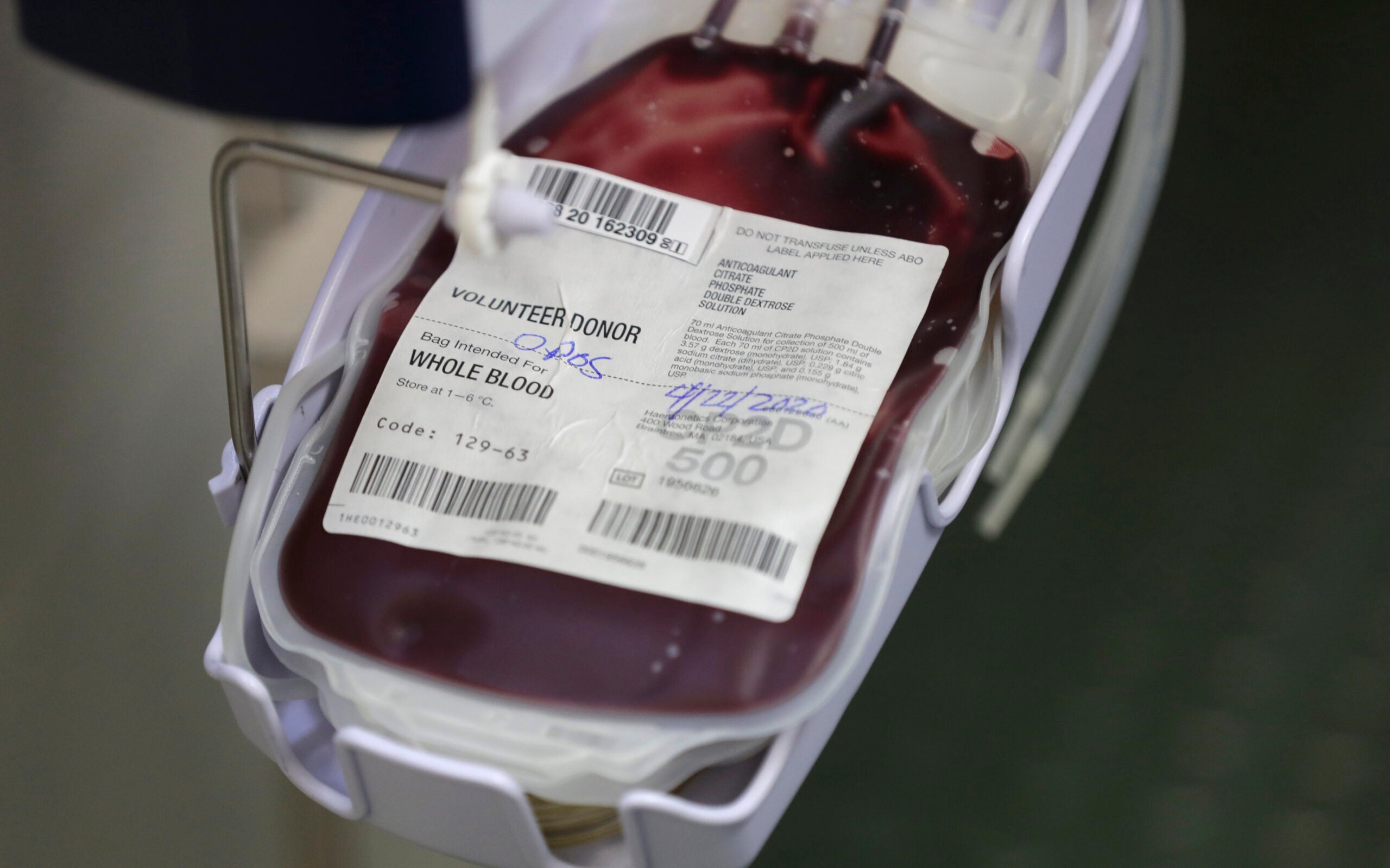
In an effort to mitigate fatalities from severe blood loss, over 100 patients have received whole blood transfusions from emergency responders in Madison and Milwaukee over the past year. This initiative marks a significant step forward in emergency medical response.
Milwaukee County pioneered this approach as Wisconsin’s first 911 service to offer blood transfusions pre-hospitalization, according to Dr. Ben Weston, chief medical officer for the county’s Office of Emergency Management. Launched in late 2024, the program has already benefited 38 individuals.
In parallel, UW Health Med Flight has launched its own whole blood transfusion program. Dr. Ryan Newberry, assistant medical director, reports that approximately 90 patients have received over 160 units of whole blood in its inaugural year.
“We feel that we’re giving our patients a better resuscitation, prehospitally, so when they arrive to the trauma center, the patients are just in a better position for our surgeons to make good decisions and provide really good care,” said Newberry.
Dr. Weston detailed that most patients in Milwaukee County were victims of car accidents or gunshot wounds, including four children. He emphasized the personal impact, stating, “These aren’t just statistics. They’re people who now have birthdays, they have holidays, they have family meals that might not otherwise have been there.”
The initiative involves seven fire departments across Milwaukee County: Greendale, Milwaukee, North Shore, Oak Creek, South Milwaukee, Wauwatosa, and West Allis.
Dr. Weston highlighted the urgency of timely blood transfusion, noting a 2 percent increased risk of death for every minute delayed. “By giving our paramedics this ability to deliver blood immediately — in a living room, on a street corner, under a bridge — we’re fundamentally changing that chance of survival,” he said.
Milwaukee County Executive David Crowley shared a poignant example of a woman receiving a whole blood transfusion after a postpartum hemorrhage. “This capability allows our first responders to deliver advanced trauma care in real time,” he said, emphasizing its life-saving potential.
The blood is stored in specialized coolers to maintain its temperature. Since November 2024, the number of coolers has doubled from five to ten, with plans to involve more fire departments. “It’s safe, it’s effective, and it saves lives,” Weston affirmed.
Nationwide, only about 1 percent of EMS agencies provide blood, according to the American College of Surgeons. “This is not something every trauma center in the world is able to, or is doing yet,” Newberry stated, highlighting the program’s pioneering nature.
Approximately 80 percent of patients received whole blood for injuries such as car accidents or gunshot wounds, while the remaining 20 percent were treated for medical issues.
Expanding Blood Transfusion Programs Beyond Milwaukee and Madison
This year, other Wisconsin communities have started using packed red blood cells in ambulances. In Sauk County, Reedsburg Ambulance, Dells-Delton EMS, and Baraboo Area Fire & EMS District initiated their programs in the spring.
Joshua Kowalke, director of Reedsburg Ambulance, stated they have used this resource for two car crash victims. “This is a great opportunity for us to potentially save somebody’s life in the field,” he said.
While whole blood is harder to source, Kowalke noted that packed red blood cells effectively restore oxygen levels and have a longer shelf life.
In Baraboo, a command vehicle equipped with coolers for packed red blood cells responds to emergencies. Assistant Chief Mark Willer reported using the resource on four patients in the past eight months. “Having blood is really the definitive way to fix massive trauma blood loss, or even a medically caused blood loss,” Willer explained.
The Kenosha Fire Department also launched a program in April, with all five frontline ambulances now carrying packed red blood cells. Deputy Fire Chief Scott Krueger shared that 10 patients have benefited from this treatment so far.
“More and more ambulance services are taking on blood as a treatment for pre-hospital treatment, and they’re having great success with it,” said Bill Glass, Kenosha Fire Department’s EMS division chief. “So I think it’s here to stay.”