Amid growing concerns, health authorities in the Carolinas are closely monitoring a measles outbreak that has emerged in upstate South Carolina. Spartanburg County, which shares borders with parts of Western North Carolina, such as Polk and Rutherford counties, has seen a rise in confirmed cases.
The South Carolina Department of Public Health has reported two additional cases, bringing the total count to 10 since July 9 this year, with the majority of cases concentrated in Spartanburg County. While some infections are linked to travel or known cases, others lack a clear source, indicating community transmission.
According to the Centers for Disease Control and Prevention, the United States has recorded 1,563 measles cases in 2025, marking the highest number since the disease was declared eliminated in 2000. Of these, 27% are children under five, and a staggering 92% of those infected were either unvaccinated or had unverified vaccination status. Nationwide, there have been 44 outbreaks, contributing to the majority of infections.
The North Carolina Department of Health and Human Services has been vigilant since the outbreak’s onset in South Carolina. They are collaborating with local health departments to ensure readiness and are urging residents, especially those with young children, to stay updated on their MMR vaccinations, which are approximately 97% effective after two doses.
“NCDHHS is aware of the increase in measles cases in South Carolina and is working with partners at the state and local levels to ensure preparedness,” the agency communicated via email. “Vaccinations are safe, effective, and remain the best way to prevent serious illness.”
In North Carolina, only one measles case has been reported this year, involving a child who fell ill in June while traveling from a country undergoing an outbreak.
Efforts to gather comments from Western North Carolina’s county health departments, including those in Polk and Rutherford, before publication were unsuccessful. However, Henderson County’s health department has proactively issued alerts to healthcare providers to monitor symptoms and encourage vaccination.
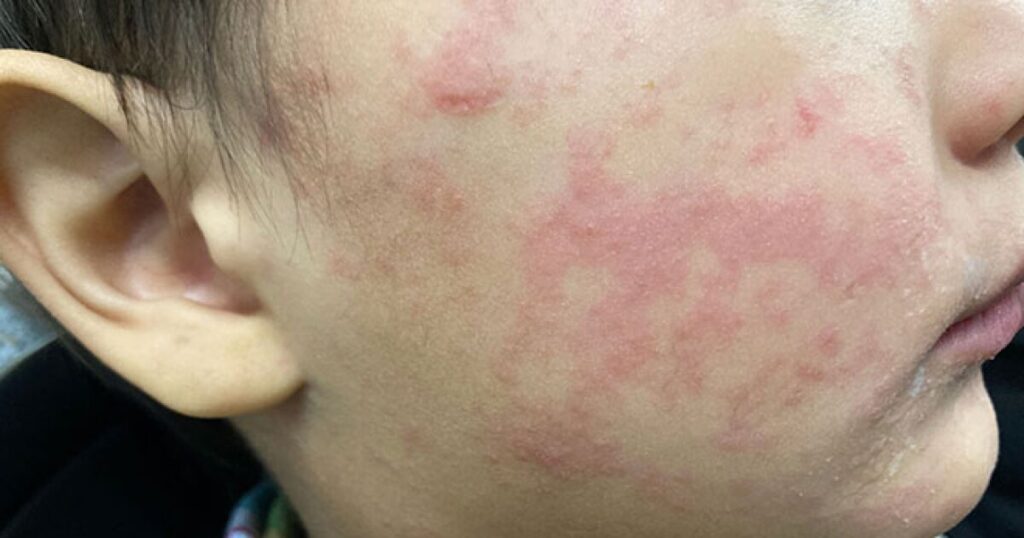
Measles symptoms, which typically surface within 7 to 14 days post-exposure, include fever, cough, runny nose, and red or watery eyes. A rash usually follows, spreading from the face to the rest of the body. The virus is airborne and can linger for up to two hours after a cough or sneeze by an infected individual, posing risks of severe complications such as pneumonia or encephalitis, particularly in young children.
Health officials emphasize the importance of contacting medical facilities before visiting to prevent further spread of the virus.
Stay in the loop with The Asheville Explainer, BPR’s weekly newsletter for Asheville and Buncombe County.