Wave of Arrests in Charlotte Raises Concerns Over Immigration Rights
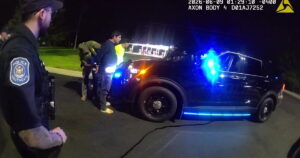
Amidst a series of recent arrests, the streets of Charlotte witnessed an intensified presence of U.S. Customs and Border Protection agents. Reports have confirmed activities along North Tryon Street, Freedom Drive, and various apartment complexes situated off South Boulevard.
The public nature of these arrests, often occurring right in front of onlookers, has instilled fear within immigrant communities. It has also led to a surge of inquiries about the appropriate steps to take if confronted by federal authorities.
To address these concerns, WFAE’s Zachary Turner engaged in a discussion with Charlotte-based immigration lawyers Andres Lopez and Jamila Espinoza.
Understanding Your Rights
Turner: What fundamental rights should individuals remember when approached by Border Patrol or ICE agents in public spaces?
Espinoza: It’s crucial to recognize Customs and Border Patrol agents, who are typically identifiable by their tactical gear labeled ‘Border Police.’ Regardless of your legal or immigration status, you have the right to remain silent and are not obligated to respond to inquiries about your immigration status, birthplace, or means of entry into the country. You can simply state, ‘I choose to remain silent.’
Additionally, you have the right to refuse consent to any searches. This covers both personal searches and those of your vehicle, if you’re in one. Clearly communicate, ‘I do not consent to a search.’
Lopez: While agents are expected to adhere to legal standards, there have been instances, like last Saturday, where a U.S. citizen exercising his rights had his car window broken and was forcibly removed. It’s essential to know that you have the right to remain silent, to refuse to show immigration documents, to decline searches, to request legal representation, and to avoid signing documents.
Bystander Protocols and Home Safety
Turner: How can bystanders respond legally to such incidents, and what actions are permissible?
Espinoza: The most effective tool is technology—recording the event from a secure distance is vital. While you maintain your First Amendment rights, we advise against intervening directly but suggest documenting details like license plates, conversations, number of officers, and any rights violations observed.
Turner: With many families opting to stay indoors this week, what are their rights if agents arrive at their homes? Is a warrant necessary for entry?
Lopez: Within the home, Fourth Amendment protections against unreasonable searches and seizures are robust. Agents must present a judicial warrant signed by a judge. If they lack this warrant, you are not required to open your door. Always ask for the warrant to be shown through a window or slipped under the door to prevent unwanted entry.
Advice for Immigrant Families
Turner: As we conclude, what advice do you have for immigrant families feeling anxious and contemplating staying home?
Lopez: I urge families to stay alert and informed about their surroundings. It’s wise to prepare for the worst-case scenarios by making arrangements, such as establishing a power of attorney for the care of children or management of property and business affairs. For those within the immigrant community who have legal status or citizenship, I encourage you to stand in solidarity and protect your community.
For more “know-your-rights” information, visit the Carolina Migrant Network website.