In a case that raises significant questions about medical care in immigration detention, a Honduran man suffering from end-stage renal failure claims he was denied necessary dialysis treatment while in custody. Federal officials refute these allegations, though the man’s family remains deeply concerned about his wellbeing.
Williams Javier Toro Enamorado, a 27-year-old held by Immigration and Customs Enforcement (ICE), reportedly signed a voluntary deportation order under duress. His attorney revealed that ICE has since decided not to enforce this order, allowing Enamorado’s case to proceed to judicial review.
A Desperate Call from Detention
Amidst the quiet of a North Charlotte home, family members gathered anxiously around a cell phone to hear Enamorado’s voice faintly crackle through the static. The distance of 360 miles between them and the ICE facility in Folkston, Georgia, where he is held, was keenly felt.
Enamorado had been detained on his way to a routine dialysis session, a life-sustaining procedure he requires three times a week. He described the ordeal of being transported without medical care, resulting in severe physical distress by the time he arrived in Georgia.
“I wanted them to take me to the hospital the day I came here,” Enamorado recounted through an interpreter, “but they told me no.” The following day, he alleges, he was coerced into signing deportation papers under the threat of being denied dialysis.
Legal and Human Concerns
Represented by immigration attorney Jeremy McKinney, Enamorado’s case has attracted attention from advocacy groups. McKinney argues that the reported circumstances suggest “classic duress” and potential legal violations.
In response, the Department of Homeland Security labeled Enamorado as a “criminal illegal alien,” citing past drug-related arrests. However, McKinney disputes these claims, noting that Enamorado’s record only shows a minor marijuana charge from his youth.
Despite the controversy, ICE has assured that the deportation order will not be enforced, allowing judicial proceedings to continue. McKinney is confident that Enamorado meets the criteria for a green card.
A Struggle for a Better Life
Enamorado’s family, which emigrated from Honduras to escape violence and poverty, remains hopeful despite the ordeal. His stepfather, Mario, voiced his support for deporting actual criminals but insists that Enamorado’s case is different.
As the family gathered around the phone, awaiting a reconnection with Enamorado, they expressed a desire to contribute positively to their new country. “We came here to work and nothing more,” his sister stated, maintaining faith in the goodwill of many Americans.
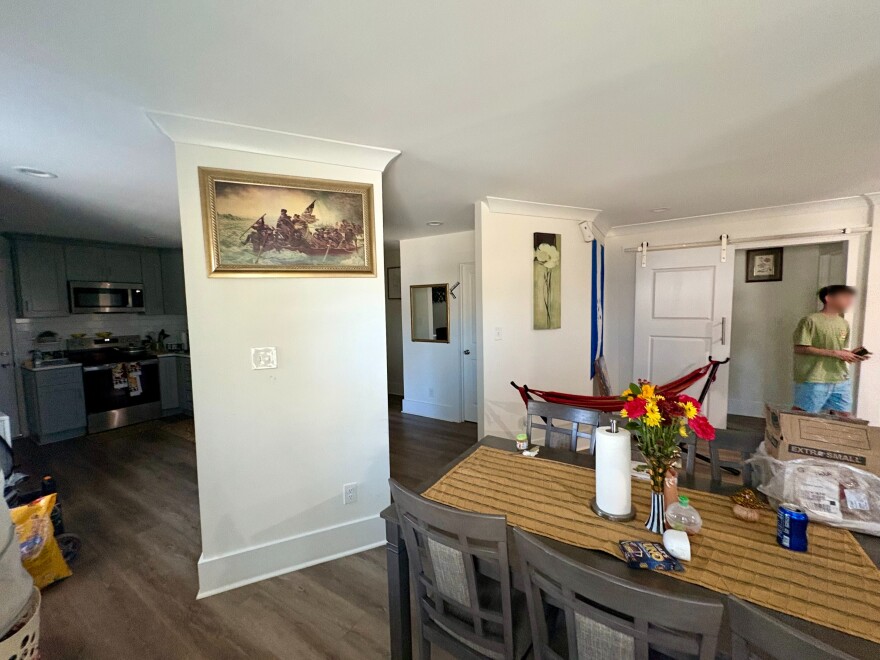
Amid these challenges, the family continues to hold onto their American dream, symbolized by a portrait of George Washington in their home.