Financial Strains Lead Gen Z Back to Family Homes
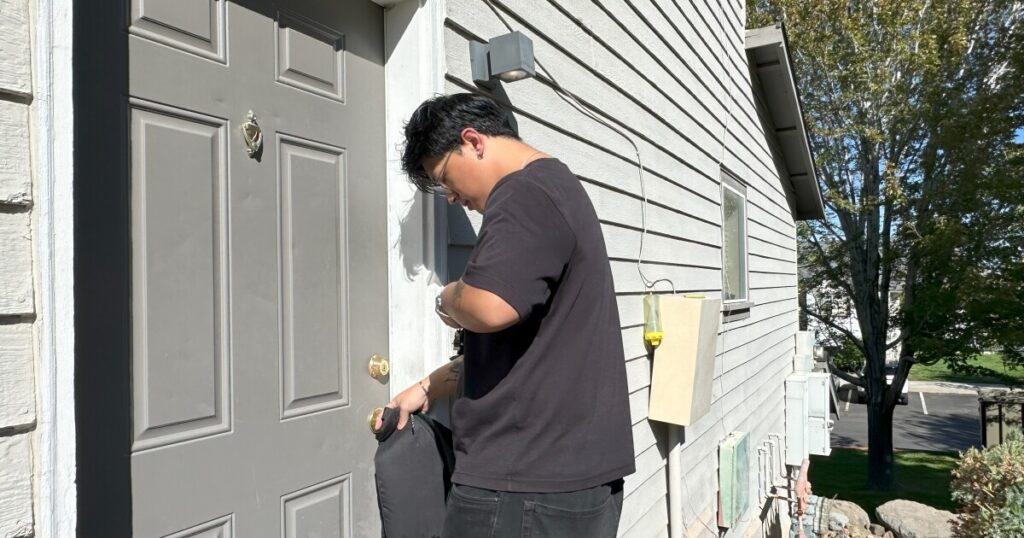
As the sun set on a typical Monday, Kai Stevens donned his work attire and prepared for another shift at Outback Steakhouse. Just months ago, Stevens was immersed in his biochemistry studies at the University of Nevada, Reno. Yet, the financial burdens of student life prompted him to take a gap year.
“Mentally, there’s a lot going on last year. I kind of feel defeated a little bit not to be dramatic, having to go again and rely on my parents when I’m a full grown adult again, when I was not trying to be a burden,” Stevens shared.
Despite living in a modest four-bedroom apartment at The Highlands, Stevens faced a $700 monthly rent, along with other expenses such as car insurance and tuition. Even with loans, scholarships, and a part-time job, making ends meet proved challenging. “But food was tough and it’s so expensive. I remember starving sometimes,” he admitted.
Similar struggles are prompting many in Generation Z to remain with or return to their parents’ homes. The high cost of living, especially rent, is a significant factor. Dr. Jodi Dworkin, a professor at the University of Minnesota, notes, “So we’re just not paying people what we should, and housing prices have skyrocketed in ways that are just unaffordable, and loans, interest rates are ridiculous. So, I mean, I think there’s sort of this whole economic perspective.”
In Nevada, the annual cost of living alone has soared, doubling from $7,500 in recent years, as reported by MIT’s living wage calculator. A report from Harvard’s Joint Center for Housing Studies highlights that half of U.S. renters spend over 30% of their income on housing.
Rue Jimenez Acosta, who works full-time at Goodwill earning $17 per hour, also finds herself living at home due to financial constraints and health challenges. After being diagnosed with Borderline Personality Disorder, Acosta utilizes her earnings to manage medical expenses. “Because knowing that I’m getting older, but still at home with my parents, it does bring up feelings of shame and guilt, because I want to be able to live on my own, but also take care of them at some point in my life,” Acosta explained.
Acosta’s living situation includes her mother, sister, and her mother’s husband, with everyone contributing to household expenses. The high cost of homeownership in Nevada, with average values nearing half a million dollars according to Zillow, has forced her sister to relocate to Kansas for affordability. Acosta may face a similar decision in the future.
Meanwhile, Stevens plans to continue living with his parents to save money, despite feeling like a burden at times. “I really try to not be a burden, but I do feel like I am,” he confessed. This scenario reflects a common reality for many young adults navigating financial pressures in today’s economy.