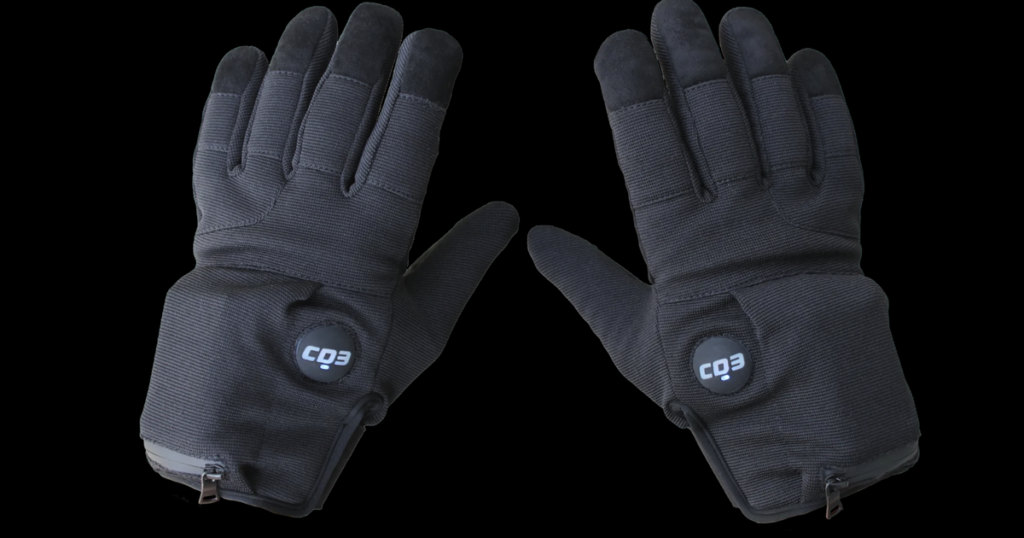
Electric Shock Gloves: A Closer Look at Their Use in Nebraska
Recent discussions surrounding electric shock gloves have intensified following Immigration and Customs Enforcement’s decision to integrate the technology into their operations. However, this technology is not new to Nebraska, where it has been deployed by local law enforcement for several years.
In May of last year, the Omaha Police Department made a formal request to the Omaha City Council to acquire 40 pairs of these gloves for just under $66,000. These gloves are intended for use by school resource officers as a means to deescalate situations and minimize the use of force, according to official documents submitted for the council’s consideration.
The purchase of the gloves was unanimously approved by the council on June 3, 2025, without any public comment during the session.
Manufactured by Compliant Technologies, a Kentucky-based firm, the gloves are officially titled The GLOVE, short for Generated Low Output Voltage Emitter. Marketed as a “non-lethal and non-injurious” device, they are designed to achieve compliance through pain without causing injury, targeting sectors such as law enforcement, corrections, hospital security, EMS, and military.
In Bellevue, the police department has been using the gloves for approximately three and a half years. According to Captain John Stuck, road patrol officers check out the gloves at the start of their shifts, while school resource officers have personally assigned pairs. The gloves are worn only when deemed necessary by the situation, Stuck explained.
The application of electric shock via the gloves is classified as a use of force. This year, the gloves have been deployed twice in Bellevue, both times successfully deescalating situations without injury to either suspects or officers, as per Stuck’s statement. Notably, school resource officers were not involved in these incidents.
Compared to tasers, electric shock gloves emit less electricity, reducing the risk of injury. The gloves’ electrical pulses affect only the skin, unlike tasers which send currents throughout the body.
Both Omaha and Bellevue have clear guidelines on the use of these gloves. Officers are instructed not to apply them to sensitive areas such as the face, neck, chest, or groin. The use of gloves is also restricted in cases involving young children, the elderly, and visibly pregnant individuals.
Additionally, the policies permit the use of gloves on individuals who are passively resisting, refusing to comply with orders. In Omaha, officers must provide written justification for opting against lesser force in such scenarios. Bellevue’s policy allows for glove use to manage potentially dangerous or violent subjects who exhibit signs of resistance or intent to flee.
The Omaha Police Department has indicated that it is fielding numerous inquiries regarding the gloves and intends to release more information soon. Updates will be provided as new details emerge.