
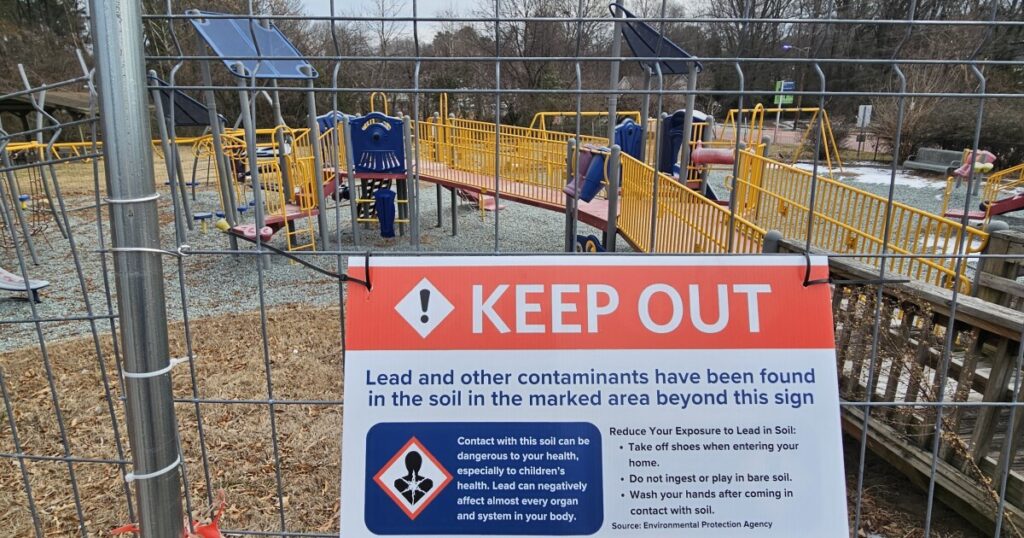
Concerns about soil contamination have led to the closure of several parks in Durham, North Carolina. The issue, stemming from historical trash incineration, has left residents and local leaders searching for solutions while awaiting further testing results.
In 2024, testing revealed potential lead contamination in five Durham parks, prompting city officials to close playgrounds and sports fields to conduct additional testing and devise a cleanup strategy. These closures have persisted for two years as the city works with the state Department of Environmental Quality (DEQ) for more detailed findings.
Two of the affected parks are located in East Durham, a densely populated area with numerous elementary schools. Ashley Scott, who manages a local youth bike program, expressed concern over the lack of accessible public spaces for children, saying, “If this area wasn’t so dense that it supported five elementary schools, that would be one thing, but the fact that you have so many kids here and there is no public place to play.”
Lead exposure is particularly harmful to children, potentially causing brain damage, which has led city leaders to adopt a cautious approach while waiting for further test results. The delay has been a source of frustration for community members like Gregory Williams from the Durham Recreation Advisory Commission. Williams remarked, “General bureaucracy is sometimes difficult to deal with… it would be great if we had some sort of alternative method for children, especially in underserved communities, to be able to have some sort of recreation.”
Scott also worries that the contamination may extend beyond park boundaries, particularly at Burton Park, which is adjacent to a public housing complex and an elementary school. He noted, “The creek is contaminated, and that new playground they built sits right above that creek. So the idea that these spaces are contaminated, but we feel like the contamination should stop at the property line, I think that needs to be reevaluated.”
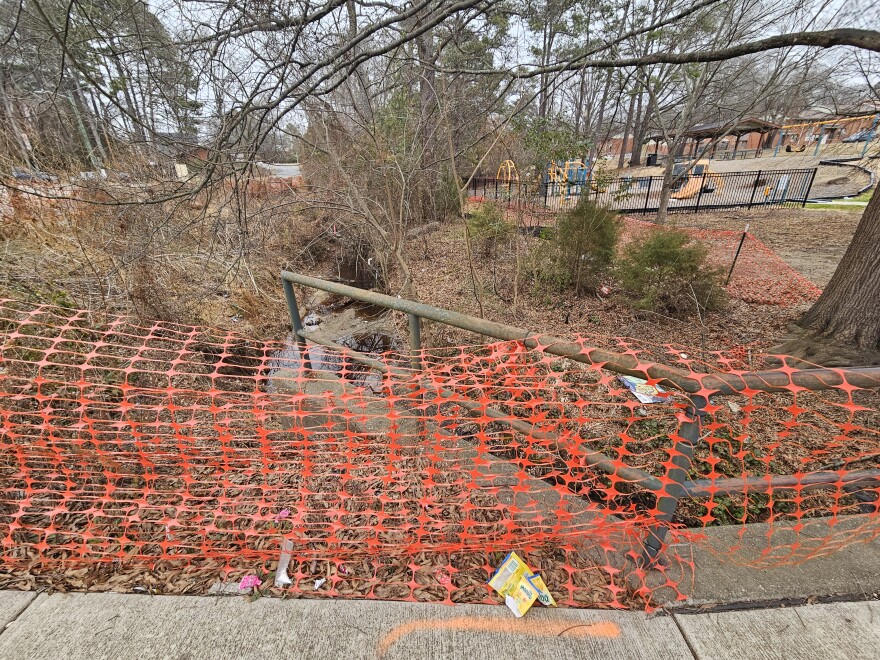
Homeowners in the vicinity are also concerned. The nonprofit Toxic Free NC has been facilitating workshops for residents to have their soil samples tested at no cost. Testing is ongoing.
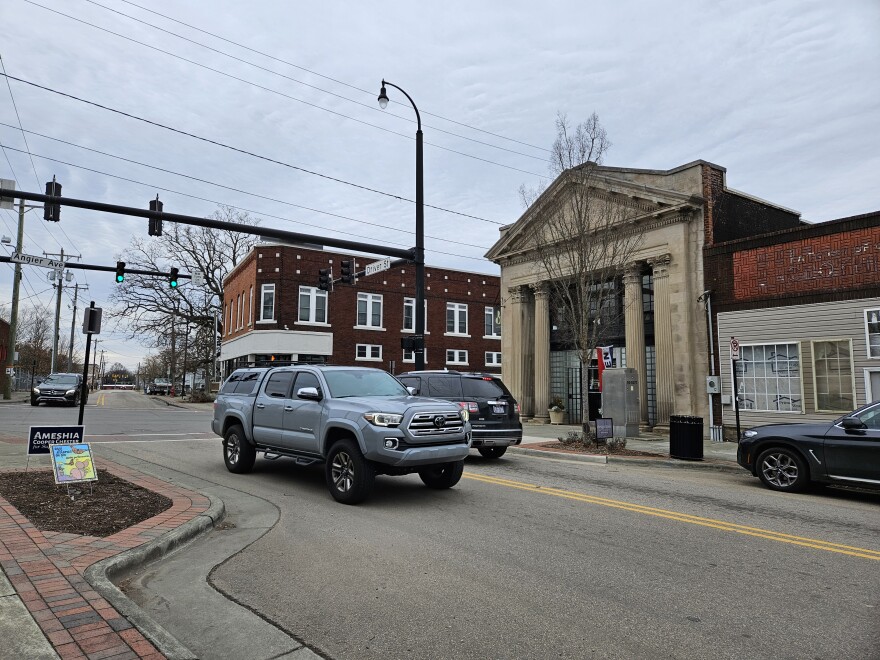
The history of East Durham, once a cotton mill village and now home to the Brenntag chemical plant, contributes to its environmental challenges. Despite these issues, the area’s business district, featuring eateries and shops, continues to thrive. Stacy Ramos, owner of the East Durham Sweet Shoppe, commented on the area’s appeal: “East Durham is sweet because you have everything you need and don’t realize it until you get over here and go, ‘wow, there’s three or four different types of restaurants, and you can do shopping and grocery shopping and grab some sweets.’”
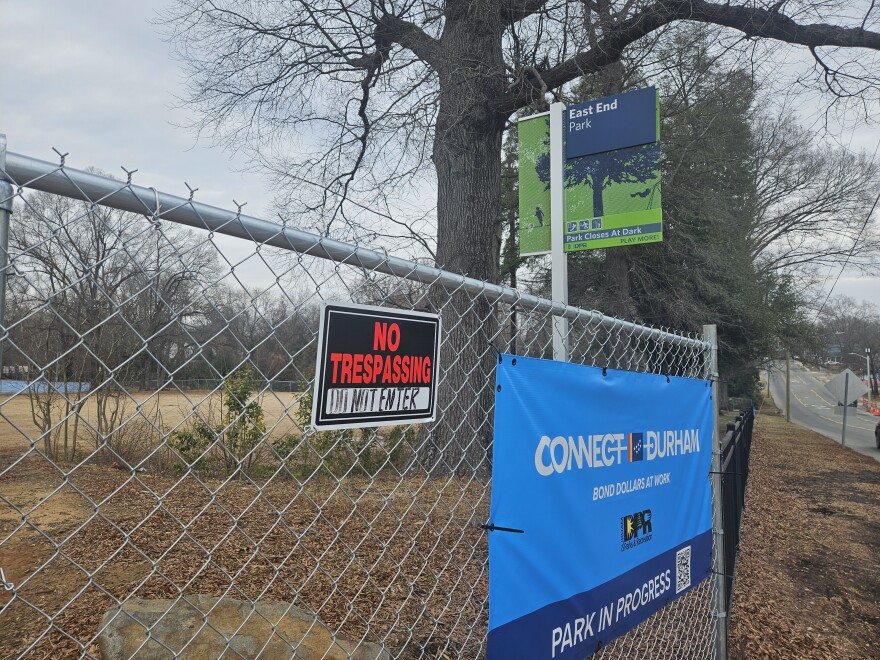
Efforts to address the contamination are ongoing, with Durham authorities collaborating with the DEQ. Wade Walcutt, Durham’s director of parks and recreation, explained the situation’s complexity, stating, “It has been a long process, but something that we know we want to get right, as opposed to doing it quickly.”
Three things to do in East Durham
Durham Green Flea Market: Vendors at the weekend markets sell everything from jewelry to fresh produce, and the site also hosts periodic food truck rodeos.
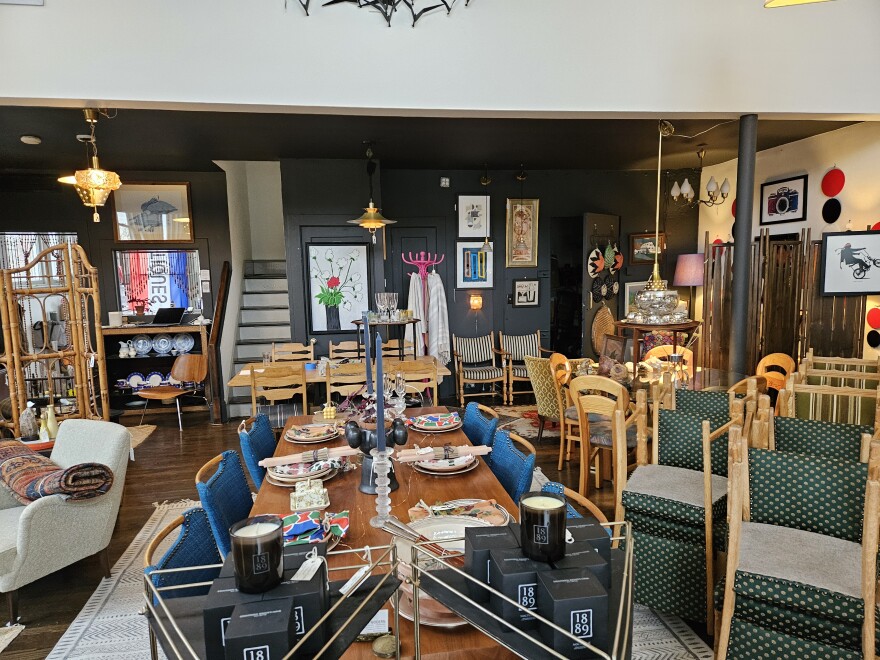
Design Bank: Interior designer Craven Miller has renovated East Durham’s historic bank building into a showroom for unique vintage and modern furnishings, open on weekends.
Ideal’s: The sandwich shop is so popular that it attracts long lines and often sells out, even though it’s only open a few hours each day. The bread is made in-house.



