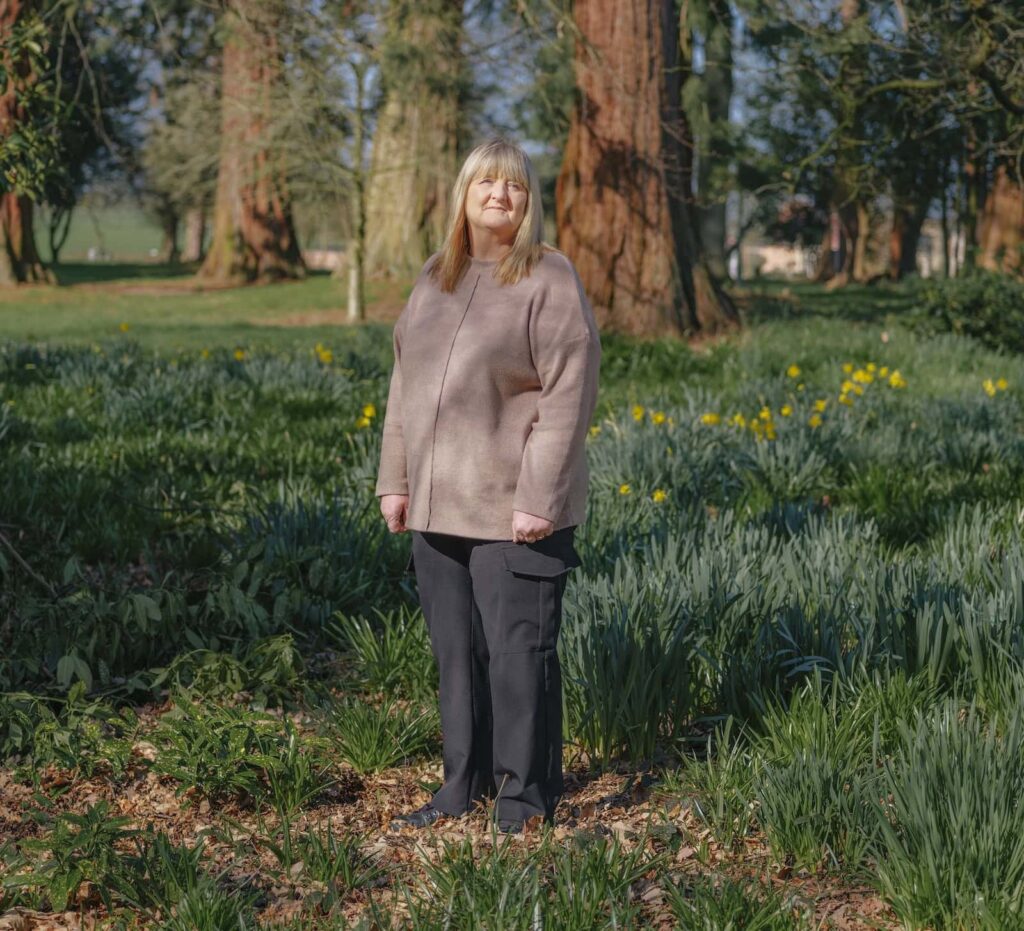
The Heartrending Tale of Forgiveness: Joan Scourfield and Jacob Dunne
Experiencing the loss of a child can lead to an unimaginable whirlpool of emotions, with righteous anger being a prominent one. One such tale of loss was experienced by Joan Scourfield. Her son became a victim of mindless violence and lost his life when a regular Saturday night in Nottingham, UK, in 2011, went awry.
James, a 28-year-old volunteer and aspiring paramedic, lost his life to a trivial dispute over stolen sunglasses. He was punched, fell, hit his head on the ground, and nine days later, his life was tragically cut short.
Left in a state of shock and despair, Joan yearned for answers. Who was this person who had murdered her son? Why did he choose James? Was James the instigator? She had no knowledge apart from the assailant’s name, Jacob Dunne, and his mugshot.
During the court proceedings, Joan, a retired assistant nurse residing in Derby, was left even more perplexed and enraged as Dunne’s side of the story was left untold.
Fast forward to the present day, Joan now shares public platforms with her son’s killer, offering advice to youth on how to avoid the same fate as her son. The tragic event of that fateful night even inspired a stage play titled Punch.
The play, inspired by the book written by Jacob, focuses less on the incident and more on its aftermath. It features Jacob’s transformative life journey from a gang member who served 14 months in prison for manslaughter to a criminology student advocating for criminal justice reform.
“The first time he walked into that room, it was a vulnerable young man that met me, not that evil mugshot we’d seen.”
Sitting at the core of Punch is a tale of forgiveness. Five years post James’s death, Joan found herself forgiving Jacob. This forgiveness stemmed from a longing to comprehend more about Jacob and see him beyond his crime. Their interactions took place through the restorative justice charity, The Forgiveness Project. Initially, Joan received written responses to her questions, which gradually evolved into mediated in-person meetings.
Joan saw Jacob’s life transforming slowly, which was crucial for her journey towards forgiveness. However, she also realized how her anger was turning into bitterness. She felt betrayed by the justice system and decided letting go of this bitterness was vital.
“We had no idea why he’d done it so you end up more angry and bitter because you’ve not got any of your questions answered.”
Her thoughts of James doing voluntary work with children from tough backgrounds pushed her to say “I forgive you”. She felt working with Jacob could continue James’s legacy and bring some positivity from her loss.
Joan’s journey to forgiveness hasn’t been easy or absolute. She openly admits to forgiving Jacob for James’s death, but not for the punch he threw with intent. For those struggling with forgiveness, Joan recommends talking it out, involving a third party and ensuring both sides are heard.
The process of forgiveness has proven to be a gift that keeps on giving. Not only has Jacob turned his back on violence, but so has one of his former gang members. Joan finds solace in knowing that two lives, at least, have been turned around.
Their story is now told on stages in both London and New York through the play Punch. Joan believes that the real work happens away from the theatre lights. When asked what James, the aspiring paramedic who spent his life helping others, would think of all this, Joan smiles and says: “I think he’d be amazed.”