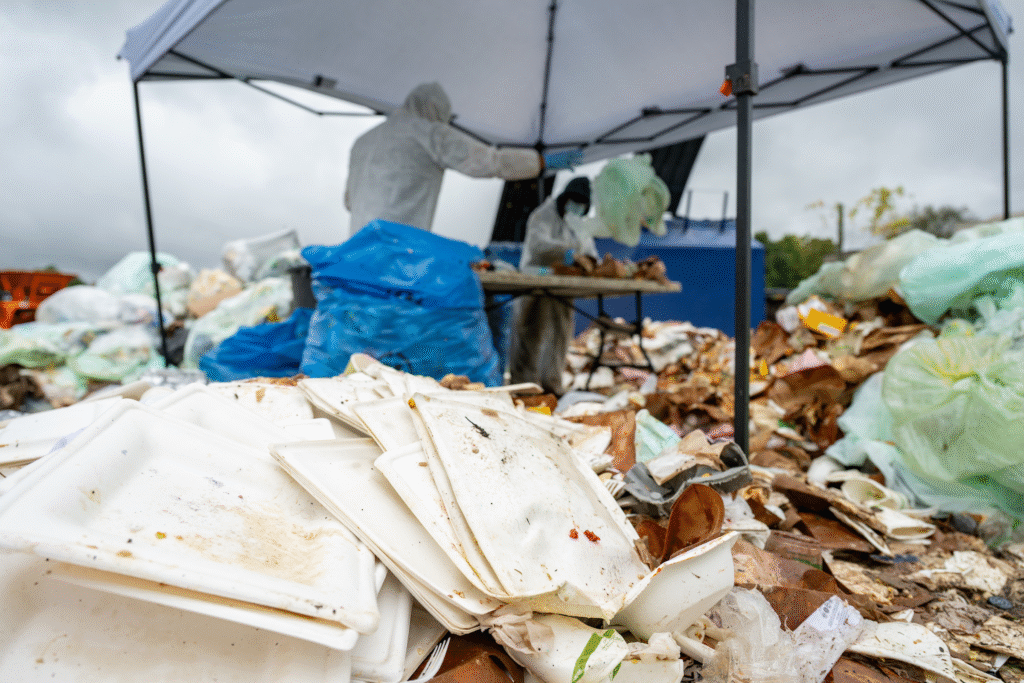
In a significant move towards sustainability, the University of Michigan has introduced refreshed goals to address waste reduction and enhance campus landscapes. These new goals replace previous targets set in 2011 and are designed to incorporate lessons learned over the past decade while addressing the evolving needs of the campus community.
The updated objectives introduce a range of indicators that better reflect current campus operations. This change addresses the shortcomings of the previous framework, which had become outdated due to shifts in available data, operational practices, and best standards.
These goals align with the broader institutional objectives outlined in the Look to Michigan vision, aiming to fortify the systems that support environmental stewardship and climate action on campus.
“Reaching for these goals strengthens the systems that support a healthy, resilient campus,” stated Shana Weber, associate vice president for campus sustainability. “They reflect our commitment to reducing waste, restoring ecosystems and working together to build a campus community where every action — large and small — reinforces our deep care for both our U-M and global home.”
The emphasis on waste reduction involves minimizing waste generation, enhancing recycling and composting, expanding reuse opportunities, and aligning purchasing with sustainability goals.
The resilient grounds goal focuses on improving landscape management through increased naturalization, reducing synthetic chemical usage, and enhancing stormwater management. Indicators for these goals will evolve as new data systems and tools become available.

The refreshed goals are consistent with the Campus Plan 2050 framework, which emphasizes natural landscapes and site-specific stormwater strategies. The goals emerged from a thorough review process involving diverse campus stakeholders, including students, faculty, and operational experts.
Key partners such as Custodial & Grounds Services, Waste Management Services, and the Campus Planner’s Office contributed critical expertise to ensure the goals are ambitious yet feasible.
Waste: shifting toward reduction and circularity
The new waste goal shifts focus beyond recycling to encompass the total waste generated and material flow on campus. This framework sets expectations through 2037, proposing a separate material reuse goal by 2030.
A stakeholder committee, including Custodial & Grounds Services and Michigan Medicine, shaped the goals to reflect the comprehensive nature of campus waste systems.
Core components are:
- Reducing waste generation per person and per building area.
- Enhancing recycling and composting rates.
- Minimizing regulated and construction waste.
- Strengthening reuse systems and materials exchange.
- Aligning purchasing to lower unnecessary material use.
The campus has already made strides in this direction. Last year, the Office of Campus Sustainability led over 500 zero-waste events, diverted 10 tons of move-out materials, and rehomed laboratory materials worth over $776,000.
Resilient grounds: supporting ecosystem health
The resilient grounds goal provides a framework for boosting biodiversity and sustainable land management on U-M’s campuses. It aligns with the campus plans for Ann Arbor, Flint, and Dearborn to incorporate ecological resilience and stormwater systems into campus design.
Goals include:
- Reducing chemical inputs by 70% by 2030.
- Phasing out neonicotinoids and 2,4-D herbicides by 2030.
- Naturalizing or sustainably landscaping at least 75% of the land.
- Conducting a biodiversity assessment to develop ecological indicators.
- Creating site-specific stormwater targets by 2027, potentially exceeding permit requirements.
This initiative enhances U-M’s capability to adopt location-specific stormwater solutions beyond generic campuswide measures.
Informed by data and campus input
The refined goals were shaped by extensive campus engagement, assessing operational feasibility and environmental impact. Collaboration across the university ensured the goals resonate with both current operations and future aspirations.
“This work reflects the wisdom and contributions of many people across the university,” Weber remarked, “and represents a shared direction that strengthens our community’s resilience today and for future generations of Wolverines.”
What’s next
University units will begin integrating these goals into their planning and operations. Progress reports and project updates will be available annually on the Office of Campus Sustainability website, highlighting opportunities for student, faculty, and staff involvement.
These goals aim to harmonize U-M’s operational practices with its academic mission, enhancing the university’s capacity for innovation, applied research, and sustainability leadership in higher education.