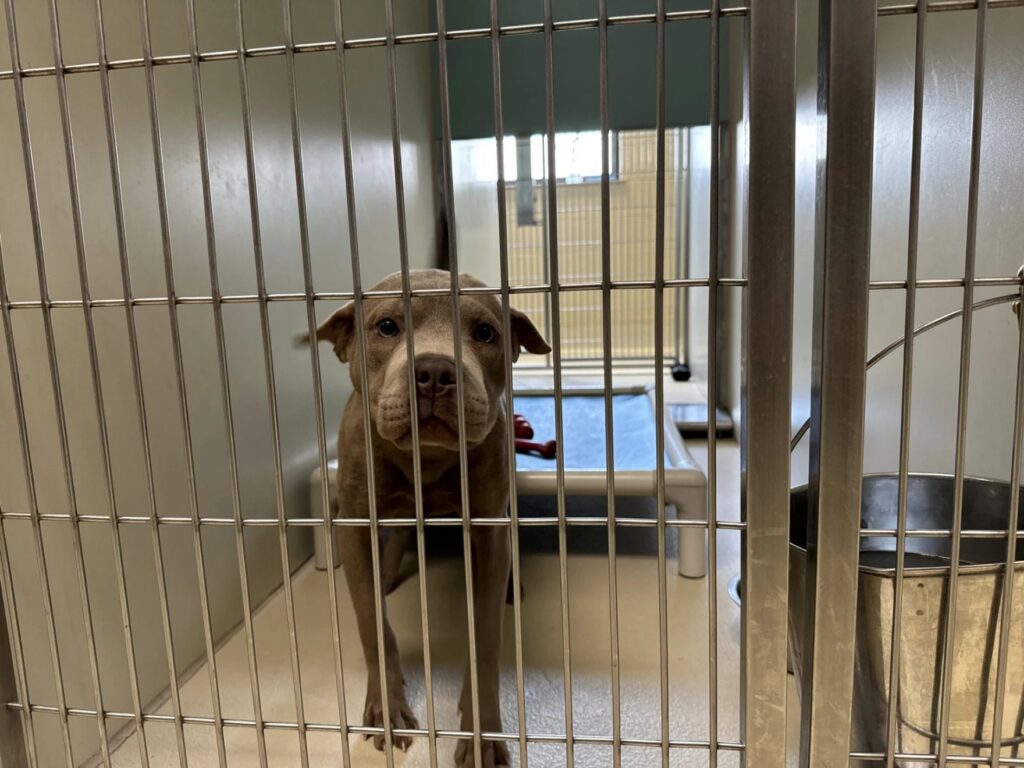
In a bid to find forever homes for dogs from overcrowded Texas shelters, Denisse Prater has been running K9 Delivery, a service that transports these animals across the United States. However, a recent outbreak of the New World screwworm has posed a significant challenge, leading to a drastic reduction in the number of dogs she can transport each week.
K9 Delivery operates a specially equipped box truck that travels to the East and West Coasts, as well as through the Midwest. Typically, 30 to 40 dogs are driven out of state every weekend. However, new restrictions due to a parasite outbreak have cut her transports by half.
In June, the New World screwworm, a flesh-eating fly, was detected in the U.S. for the first time in decades. As of July 22, U.S. agriculture authorities recorded over 40 cases in Texas and New Mexico, affecting cattle, sheep, goats, and three dogs.
To curb the spread, nearly every state has implemented new requirements for animals traveling from these areas. This has disrupted the operations of many animal rescue organizations that rely on interstate transport for adoption.
“It’s been overwhelming to keep up with the (state) orders,” Prater expressed. “I check on them twice a week.”
Most states now demand an entry permit and proof of veterinary inspection five to seven days before travel. Additionally, several states, including Minnesota, Illinois, and Michigan, mandate certain animals receive medication to prevent screwworm infestation.
The preventative measures were devised by national animal rescue groups and veterinary schools after initial bans on Texas animals. Sandra Newbury from the University of Wisconsin’s Shelter Medicine Program emphasized, “We can kind of have our cake and eat it too, because we can be really careful.”
However, Ellen Jefferson of Austin Pets Alive noted the difficulty for Texas shelters to comply due to limited veterinary access. “Over 200 shelters in Texas do not have access to a veterinarian,” she highlighted.
Many rural shelters in Texas face severe overcrowding, leading to euthanasia due to a lack of resources. “Texas needs to figure out how to adopt in Texas,” Jefferson stated, pointing out that reliance on transport is not a sustainable solution.
Prater echoed the logistical challenges faced by animal rescues, noting that the tighter time frames for veterinary checks have increased pressure on these organizations. “At the beginning, people were panicking,” she said of the sudden changes.
Efforts by U.S. agriculture officials to halt the screwworm spread include surveillance and the release of sterile flies. Despite these measures, Prater believes the industry must adapt to ongoing travel requirements: “How can you tell a fly not to come over, cross state lines?”
This story was produced in partnership with Harvest Public Media, a collaboration of public media newsrooms in the Midwest and Great Plains focusing on food systems, agriculture, and rural issues.