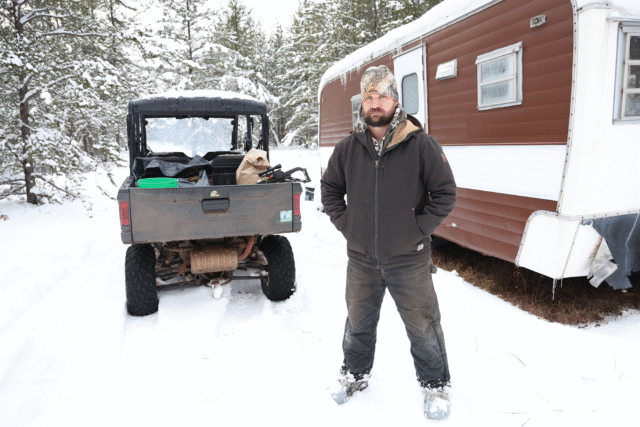
In the serene landscapes of Michigan’s Upper Peninsula, the tradition of hunting and firearm ownership is deeply ingrained in the culture. For locals like Dustin Milner, trips to Little Lake during hunting season are cherished family traditions, where stories are shared and safety around firearms is taught from a young age.
In many rural Michigan communities, firearms are an integral part of life, used both for hunting and home protection. As Milner notes, “My kids know that if there’s a firearm anywhere around, they don’t touch them. Most hunters around here that have kids teach them the same concept.”

Despite this cultural emphasis on safety, research indicates a higher risk of firearm-related unintentional injury and suicide among children and teens in these areas. Firearm injury remains the leading cause of death for American youth.
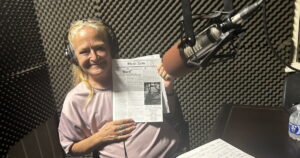
Recognizing this, Cynthia Ewell Foster, a clinical professor of psychiatry at the University of Michigan, partnered with Sarah Derwin from the Marquette County Health Department to launch a proactive initiative. Their program, Store Safely, aims to promote secure firearm storage, offering families in rural communities the resources to prevent firearm injuries and misuse.
Marquette County, home to around 66,000 residents, reported 56 suicide-related deaths between 2017 and 2020, with firearms accounting for 31 of these cases. The Upper Peninsula also records some of the state’s highest suicide rates, heavily influenced by firearm-related incidents.

The pilot phase of Store Safely yielded promising results among 43 rural families. Findings showed that 98% engaged with all program components, 86% used a home firearm safety checklist, and 40% made changes to their storage practices. Changes included purchasing gun locks, safes, or lockboxes, and ensuring that firearms and ammunition were stored separately.
Feedback indicated that 80% of participants found the program culturally sensitive, with many recommending it to other parents. Secure firearm storage, as suggested by research, has the potential to reduce risk by up to 75%-80%.
Ewell Foster highlights the unique risks faced by rural youth: “It becomes more of an available means for kids when they’re not doing well. And so I think that’s one of the things that our project Store Safely is really meant to focus on is making sure that when kids aren’t doing well, that they don’t have easy access to such a lethal way to end their lives.”
Trusted Messages and Community Engagement
While healthcare providers often advocate for homes without guns as the safest for children, Ewell Foster understands the complexities involved: “The data is actually pretty clear that when there are firearms in the home, there is elevated risk empirically. But for families that take safe handling really seriously, for families that take safe storage really seriously, messages like that don’t land well.”
Initial research showed that only 12% of community members considered secure storage essential to firearm safety, with many keeping firearms for protection or quick access during emergencies. The belief in teaching safe firearm handling as a deterrent for youth injury or death was widespread.
These insights, along with community feedback, informed the development of Store Safely, created by Ewell Foster, Derwin, and their collaborators, including Cheryl King and Christina Magness. Derwin emphasized the importance of community-tailored interventions: “And that’s where the collaboration with the University of Michigan helped us create an intervention that really speaks to our community.”

Derwin noted the program’s emphasis on respectful communication: “They can not feel judged or feel like someone is talking down to them. And my hope is that the more families that see it, the more families that are able to make some really doable changes that could increase safety in their home.”
With funding from the Centers for Disease Control and Prevention, the Store Safely team is seeking participation from 600 families in Michigan’s Upper Peninsula. Eligible families, those with children under 18 and with firearms at home, can contact the program at storesafely@med.umich.edu.
Derwin leverages community ties to promote the program, asserting, “If it’s folks that work in law enforcement, they know me, they know my work and they know that we’re not trying to be restrictive.”
The project involves an advisory board of 35 community figures, encompassing representatives from health care, law enforcement, local business, education, and crisis centers, ensuring a broad-based approach to community safety.
While Milner is diligent about locking his firearms, he acknowledges a broader community respect for gun safety: “We don’t see a lot of tomfoolery or shenanigans or idiocracy when it comes to guns up here,” he remarked.