Nevada’s Special Legislative Session: Controversies and Key Developments
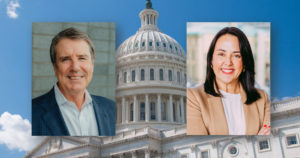
In a dramatic turn of events, a bill designed to expand Nevada’s film tax credits almost faced an untimely demise. During its introduction, Assemblymember Selena La Rue Hatch from Washoe County moved to reject the bill, nearly halting its progress.
In response, the Democratic Assembly leadership took an unusual step by involving a lawmaker who was not physically present in Carson City. Assemblymember Tracy Brown-May participated remotely and voted against the bill, which resulted in a tie vote and ultimately led to the bill’s rejection.
La Rue Hatch voiced her concerns about the decision to include a remote vote after learning that the Democratic Assembly Caucus would not allow virtual testimony during the special session due to staffing shortages. “If it’s allowed for assembly members, it should be allowed for the public as well,” she stated, emphasizing the difficulties of attending a hearing on a weekday afternoon.
Her actions were met with criticism from Democratic Assemblymember Max Carter II, who labeled her a threat to working-class families.
Senate Actions and Swift Legislation Approval
On the first day, the Senate swiftly passed several bills, including a significant increase in funding for a health care worker recruitment grant program, raising the allocation from $10 million to $60 million. The provision allowing 2% to be used for reproductive health care, including abortions, drew opposition from Republican senators.
“If I support this bill, I’m offering up $10 million of taxpayer funding on abortions, so I’m a no vote,” declared Republican State Sen. Ira Hansen of Sparks. Despite opposition, the bill advanced in the Democratic-majority Senate and included measures to align state vaccine laws with federal and CDC guidelines, addressing earlier confusion.
Additionally, state senators unanimously approved a bill establishing a fund to assist individuals during disruptions in federal or state benefits, a move inspired by issues such as the SNAP benefits delay during a government shutdown.
Additional Legislative Agenda
Lawmakers also considered a proposal for a state Security Operations Center aimed at enhancing cybersecurity transparency, following a recent statewide cyberattack. A similar initiative had failed in the previous session.
Moreover, the session included a lengthy debate on a crime bill from the governor, proposing stricter penalties for offenses like trespassing and smash-and-grab crimes, and ensuring victim restitution.
With only 19 days left in the special session, as mandated by the state constitution, there is a growing push within the legislature to expedite proceedings and conclude business swiftly.