Tuition Hike Sparks Debate Amid Budget Shortfall at Nevada Colleges
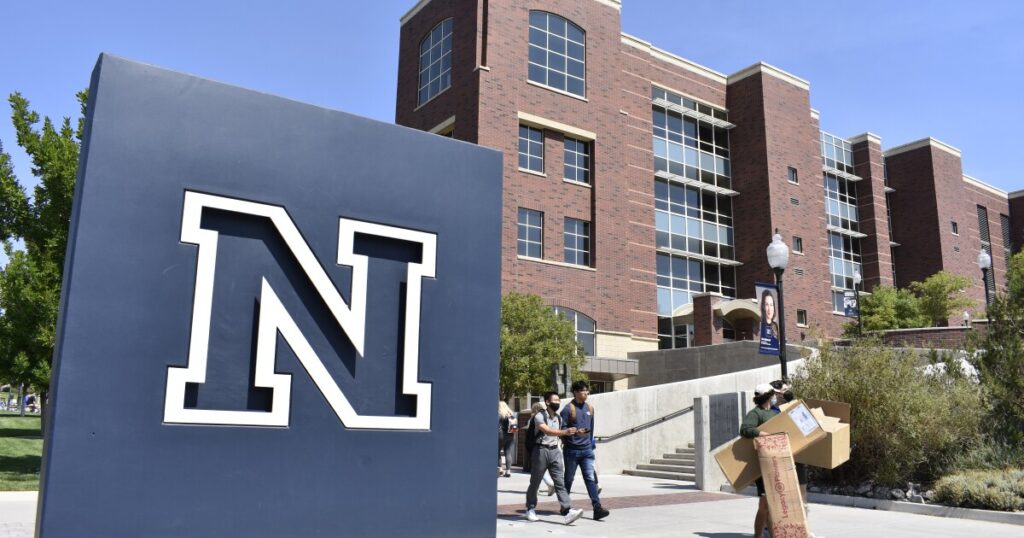
The financial future of Nevada’s higher education system has taken a critical turn with a newly approved tuition hike aimed at addressing a significant budget deficit. This decision comes as the Nevada System of Higher Education (NSHE) grapples with a $46.5 million budget shortfall, predominantly due to state legislature-mandated staff raises funded only on a one-time basis. Read more about the budget shortfall.
During a heated meeting, the Board of Regents voted to increase tuition by 12% over three years for universities and upper-division courses, while community colleges will see a 9% rise in lower-division course fees. This increase, effective in the 2026-2027 academic year, is a measure to prevent potential job losses and maintain quality education services.
However, the decision has not been without controversy. Student representatives, like Ratchanya Dev Chinnappan, president of the UNR Graduate Student Association, expressed concerns about the financial burden on students. “How can NSHE leadership justify a permanent fee increase on students simply because one-time funding is not being renewed?” she questioned, highlighting the economic pressures already faced by students, including rising living costs. KUNR’s interview with UNR President Brian Sandoval provides more insights.
Faculty also voiced their worries about the potential consequences of not addressing the budget issues. Jennifer McClendon, chair of the UNR Faculty Senate, warned that staff cuts could lead to diminished educational quality, with larger classes and fewer resources. “This shows up immediately for students. Larger classes, less feedback, fewer mentoring relationships, and required courses that are harder to access,” McClendon stated. More details on the job risks are available here.
Despite the increase, NSHE officials noted that Nevada’s tuition costs remain relatively low compared to national averages. Check out the statistics on college costs by state.
The decision comes as a challenging choice for the Board of Regents, especially with elections on the horizon. With more than a third of the board members up for re-election, the decision carries potential political implications. Learn more about the upcoming elections.
In a gesture of commitment, Vice Chair Stephanie Goodman apologized for the situation. “I feel for you, and I’m sorry. I’m sorry we’ve come to this, but I promise you, I will go up to the legislature, and I will fight to make sure, and I know all of my colleagues will do so as well, to see how we can mitigate these dollars and at least get something back for all of this,” Goodman assured. However, legislative action will not occur until 2027 when the body reconvenes.
Note: KUNR staff are UNR employees.